The Ramayana is an epic poem, a Hindu text dating from 1200 B.C.E. (Syracuse University). As with all classics that are ancient texts, there will be variations in the story (e.g.while all versions I’ve seen agree on who the first of Raja Dasaratha’s wives was, I’ve seen variations on who was second and third). The big picture however: Dasaratha granted his wife Kaikeyi two boons (or undeniable requests) after she saved him in battle. Many years later she used one of those boons to exile his eldest son, Rama, for 14 years, during which time her son Bharata would sit on the throne that Dasaratha is abdicating.
Kaikeyi, Google commons
Was Kaikeyi evil or tricked by her old nursemaid? In early tellings, the older woman is often portrayed as a hunchback, a classic example of using visible disability to portray inner flaws in personality. While debates have spanned the decades of who the real villain is (this story has been turned into movies and TV shows) Vaishnavi Patel has written an exciting reimagining, told from Kaikeyi’s point of view, where neither woman is evil, yet both are human.
Vaishnavi Patel
In Kaikeyi, Patel shows how our heroine, so often at the mercy of decisions made about her by men, manages to carve out a life for herself and in so doing, improve the lives of women in her kingdom. Kaikeyi remains human, having moments of doubt, jealousy, anger, and feelings of abandonment, she also remains a woman doing her best not just for herself but for those around her. She truly seeks what is best both for the kingdom she has married into, as well as the kingdom of her birth, and all the weakest members of society. One of the triumphs of her life is to witness women in other regions being allowed previously unheard-of liberties (running businesses, allowed religious education) based on the examples set in her kingdom.
Most of us need to make an effort to read outside whatever our typical habits are. This includes reading outside our culture. And for those who share Hindu culture or who are familiar with Hindu literature, what a bold reimagining of a traditional story. This is a perfect bookclub text because whether one is familiar with the background epic poem, this is an incredibly compelling and nuanced telling.
I have yet to meet the writer who, having created something and still in the early excitement of ‘this might really be something!’ doesn’t yearn for another set of eyes and another person’s reaction to what is written.
In fact, I belong to a range of writers’ groups and there are regularly posts/chats/messages about writers seeking someone to beta read what they’ve written, from an opening page to an entire manuscript. What is on offer from the writer can vary from the first very rough draft of a paragraph, to an entire whopping novel. If you find yourself in this context, let’s think of some questions you ought to ask yourself before seeking those beta readers.
Did I just finish what I wrote?
If the answer is yes, then the beta reader you are looking for is your bff, partner, friendly neighbor, dog walker, member of the congregation you go to religious services with who is interested in writing . . . in other words, early days. You’re not ready to stick that first rough draft in front of readers who you want real opinions from. At this point, you just want affirmation that you haven’t totally puked on a page.
Set it aside and keep writing your work in progress
Go back later and make sure the basics of grammar are there; no one wants to suffer through your unpunctuated, grammar/spelling errors
Yes, being a writer means learning about delayed gratification and this is tough.
If the answer is yes, then the beta reader you are looking for may well be an editor; that may be a developmental editor, or a line editor who clears up errors you don’t see because we all reach a point where what is in our head and what is on the page can no longer be distinguished by us.
There are a range of hired services available, depending on your needs and budget
If you don’t have money to hire an editor, can you barter services with someone (depending on your skillset this could be a local or online arrangement)
Do you have the skill set to trade editing with another writer; if not, then you ought to save up and hire an editor. Beta readers can’t give you an honest opinion about your writing if they’re constantly tripping over errors.
Has my manuscript been through an initial edit?
If the answer is yes, then you are ready to seek real beta readers, e.g. readers who know the conventions of the genre you have written in, or who have enough of a writing background to judge if your conflict, characters, and plot are doing their job.
Join writing groups and offer to trade manuscripts with other writers who have equally prepared their manuscript, i.e. they have a full draft with at least an initial edit
If you can afford it, join a paid writing group like P2P where every month you have the opportunity to workshop the first 5 pages of your manuscript with other serious, experienced writers; you then develop connections and can potentially trade manuscripts or even find generous volunteer readers
Return the favor to other writers by volunteer reading (even if they aren’t the same people reading your manuscript, but they are a member of the same writers’ group – you need to develop the ethos of a writer who contributes to the community)
clarify what you’re seeking before handing off your book
Beta readers sometimes think they are being helpful if they start marking up your manuscript to point out the errors they have found. Initially though, what you are seeking as a writer are ‘big picture’ remarks.
Ask that beta readers focus on the story – is it clear, do they want to keep reading, if they find plot points where they just feel bumped out of the story (for any reason) can they just make a mark to indicate where and try and keep reading
If they find a point that is so disruptive that they can’t keep reading, ask them to indicate it and explain what they find a problem
This one is the hardest: be honest with them and yourselves, if they are finding so many errors that they can’t help but mark them, ask them to just stop after the first chapter and send you that feedback (you either have a manuscript that still needs developmental work, or you have asked an editor to be a beta reader and it isn’t the same job.)
writing is hard, painful, lonely, and occasionally exhilarating
The hard work involved in writing for publication sucks, in a lot of ways. If you are the sort of person who needs instant gratification that comes in the form of a stranger telling you how clever you or your work are, then writing is likely not for you. It takes so much work and time to get to the point where your work is ready for someone, somewhere to love it (who isn’t your partner, neighbor, dog walker . . ..) Pacing and patience are key. Writing groups can help, if you want to spend time with others who understand and share your unique brand of pain/challenge/reward.
Think twice, however, before asking for beta readers. You will create a reputation for yourself in your writing community. It can be as a writer who shows respect for beta readers by handing them a clean and ready manuscript. Or not.
Admittedly, I’ve noticed as I age, I have less appetite for fiction with magic/fantasy and am more interested in exploring the reality of all manners of shenanigans folx can get themselves into in the regular world. That kind of mischief is typically far freakier and odder than anything we fiction writers are going to come up with.
In an attempt to keep my reading from becoming too narrow, I join book clubs and get exposure to books I would otherwise not pick up. Of course, I’m always behind, with a to be read pile that’s spread out over shelves. My current read from one of my clubs is The Book Eaters.
Image of USA hardback book cover for The Book Eaters
Part way in, I started to have some logical problems with the world being built by author Sunyi Dean. I stopped to read her bio, which I hadn’t bothered with since it was after all, a book club pick. When I saw she identified as autistic my view of her world changed.
Something to understand about autistic writers is that we have obsessive level constraints about the worlds we make, e.g. there are rules, and they are thought through and followed, they just might not be the rules that another writer would have gone with. Knowing this, my internal critic was able to relax and trust, if I stuck with this work there would become evident reasons for all the choices being made.
Image of author Sunyi Dean
To be fair and reasonable, and in keeping with my training in philosophy, I ought to give this same benefit-of-the-doubt to all writers/books. Truth be told, though, I’ve been burned too many times.
I know I’m not the only reader who gets frustrated when an author has events happen that don’t fit into the world they’ve built, or has a character act dramatically out of character, or my biggest pet peeve, has something turn out to have ‘actually happened’ that they established earlier could not have happened. I don’t even mean deception to build a mystery sort of thing, I mean someone f’d up the continuity/editing and an event happened that couldn’t have.
Image of a Cosmic Explosion
I feel like making the unsupported claim that autistic writers are more likely to produce characters and worlds that stick to the internal rules of that character and world. My wish to make this claim may simply be based on my bias. But when it comes to this specific example, The Book Eaters and Sunyi Dean, I have been proven correct; the world contained within the pages remained true to itself and thus to the reader.
Regardless of how one writes – on paper, on computer, on stone tablet – one begins by facing a blank page. As someone who belongs to more than one online writers’ group/discussion page, I’ve noticed two particular concerns that come with the blank page: Story and Formatting.
That’s often the first concern for a writer. Under the broad umbrella of story one finds considerations of:
plotting
character development
pacing
It is not uncommon for less experienced writers to focus so much on story that they overlook another important, if less creative element of writing: formating.
Unfortunately, this creates a lot of additional work and reformating that could be avoided, if one knows and uses the expectations of formating that agents and publishers have for initial submissions.
Writers are creative. We often like to imagine we have many choices when it comes to formating our manuscripts. And we do – up until we want to submit to an agent or publisher.
We mustn’t be discouraged about the uniform expectation for manuscript submission. Rather, we should use all that creative juice we wanted to use for formatting, and focus it on the story itself.
Questions, Concerns, Disagreement?
I am adjusting this blog slightly and rather than just featuring books/writers already published, I would like to include more information and a forum for writers working towards publication.
Do you have a writing question you’d like addresssed?
Do you disagree or have a follow up question with something said here?
Writing and photography are two of my biggest passions in life – along with animal rehab and adoption.
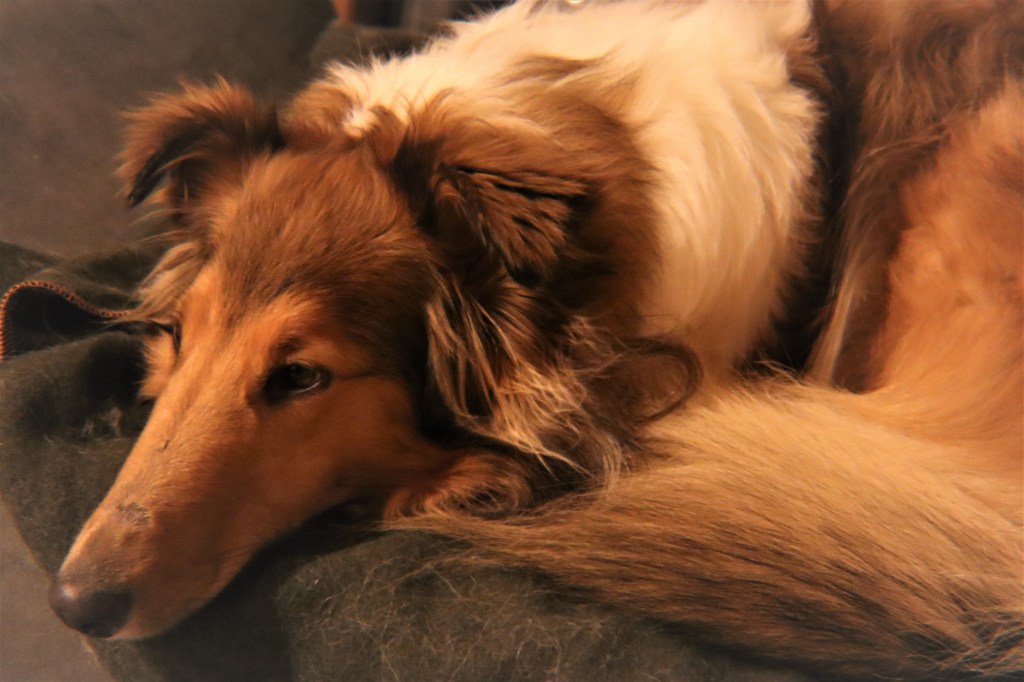
Sable and white collie, indoor, low, natural light
But let’s not go down too many rabbit holes at once.
Recently I was discussing photography with a young person and they said, while they enjoyed taking pictures, they didn’t do so often because they weren’t good at it. This is the same bind that many writers get into – I don’t write more because I’m not as good at it as I want to be.
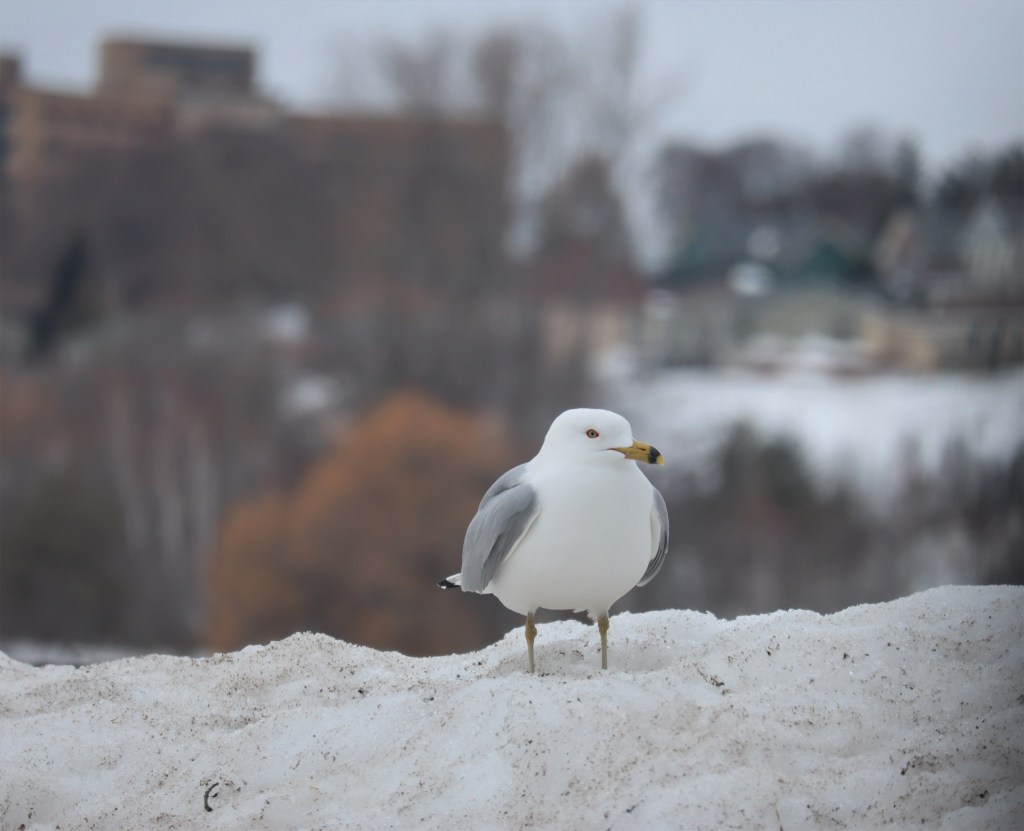
Gull on dirty spring snow, overcast day
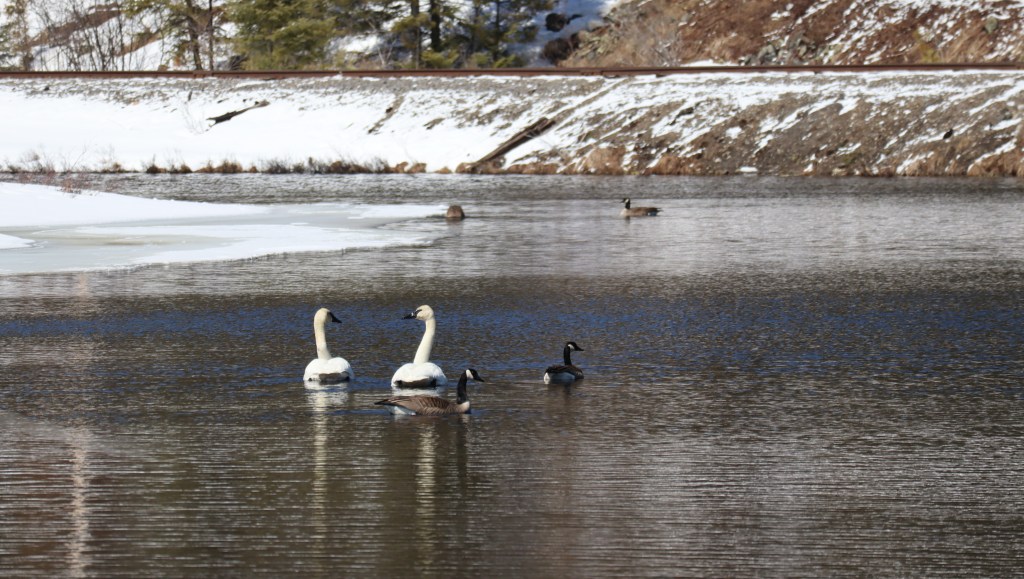
Swan and geese on early spring lake, sunny day
People! None of us are born great, we achieve [largely moderate] success by doing, learning, and doing more. Trust me – I researched and wrote a whole dissertation on this topic!
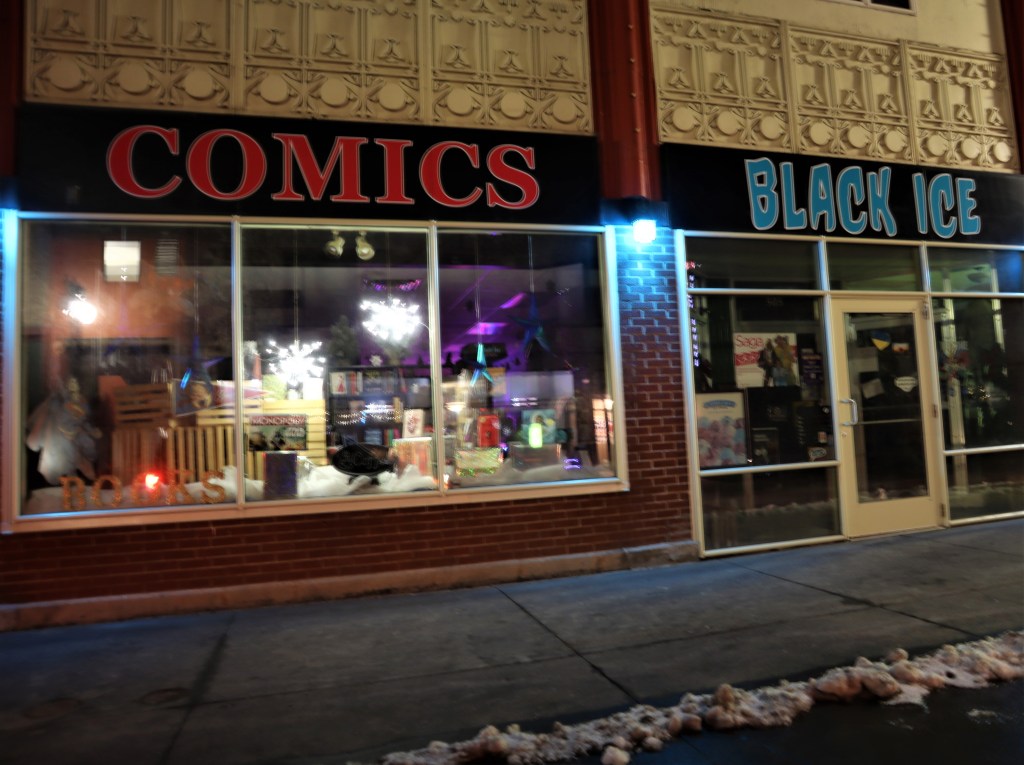
Storefront in low-light, pre-dawn
Recently I treated myself to a new camera. I hadn’t been doing much photography lately because of frustrations with my old camera; we’ve been together for decades and though we’re not divorcing, we did agree it was time to bring someone new into the relationship.
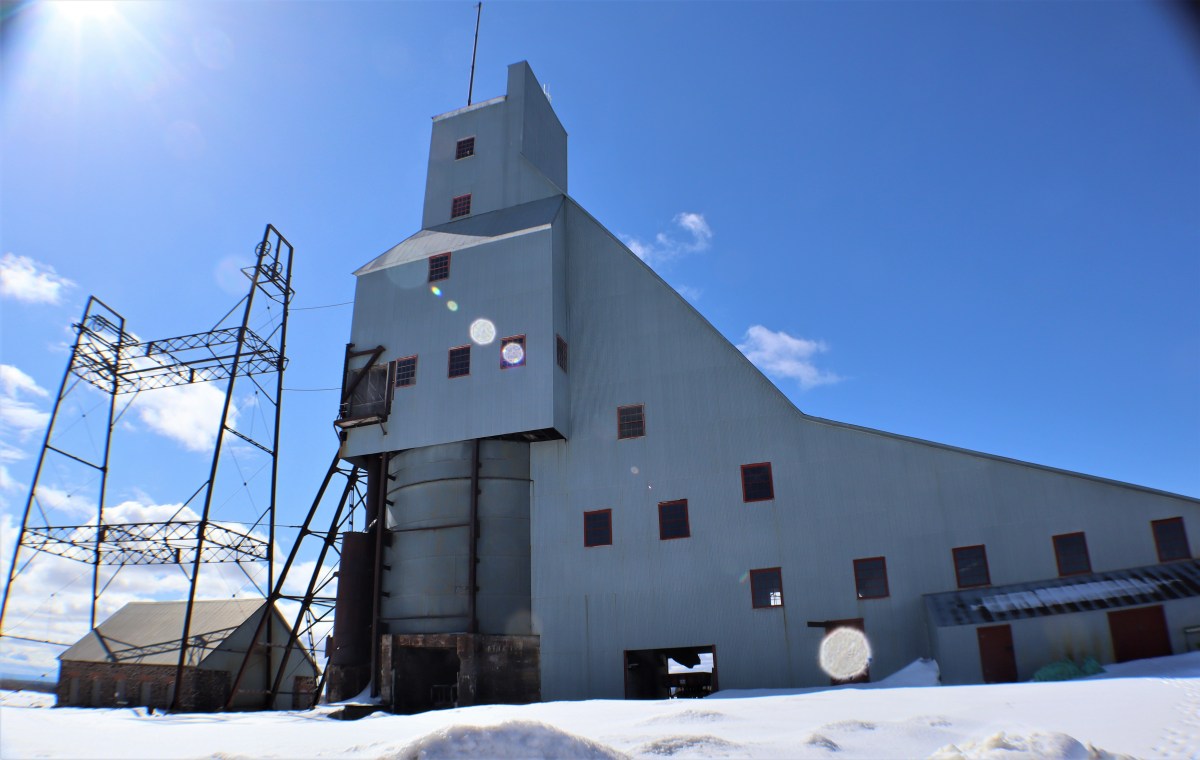
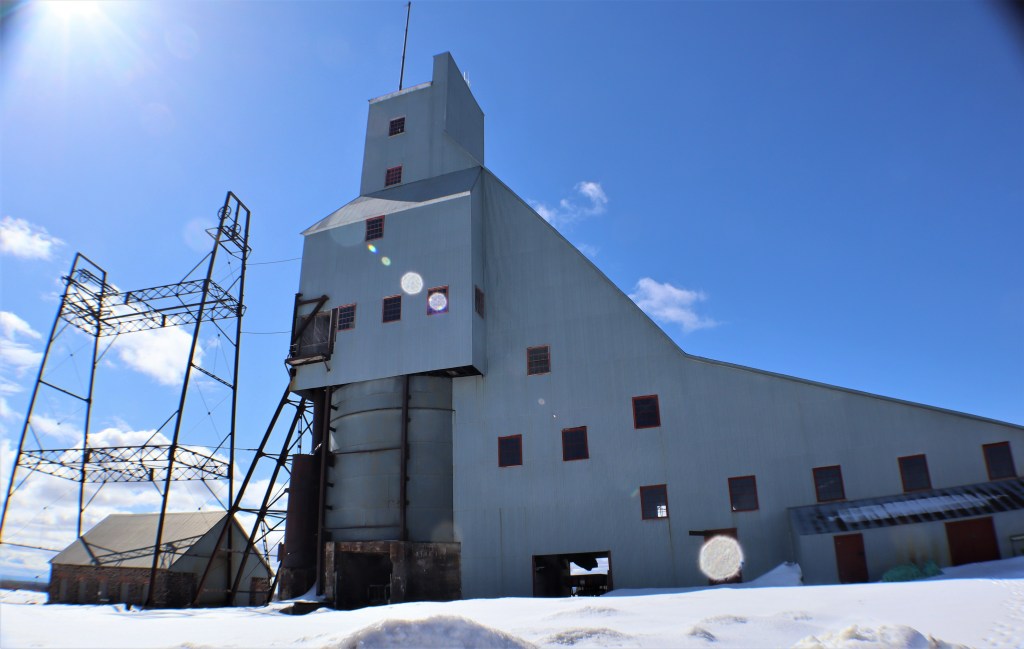
Quincy Mine lift, Hancock MI, bright sun reflecting on snow
This new camera is mirrorless [internal element that reduces weight] and I’m in love again. But there’s a steep learning curve for new equipment with vastly different functions. In order to learn, I have to go out and take a lot of very average or trashy photos. Each picture teaches me something and rather than frustration, I feel happiness that there are so many things I’m still capable of learning. Or at least experiencing.
Low light bridge photo; needed a tripod and didn’t have one with me
Embrace new opportunities! Admittedly, I’m the last person to suggest we should always be embracing the new. I need routine. I’m clinically OCD, and even with medication, my need for order is at best managed. I get my brain to accept challenges by considering them educational opportunities. Undoubtedly you’ll need to find your own way to embrace the new, the less than perfect, the practice sessions that are necessary to get better at any endeavor.
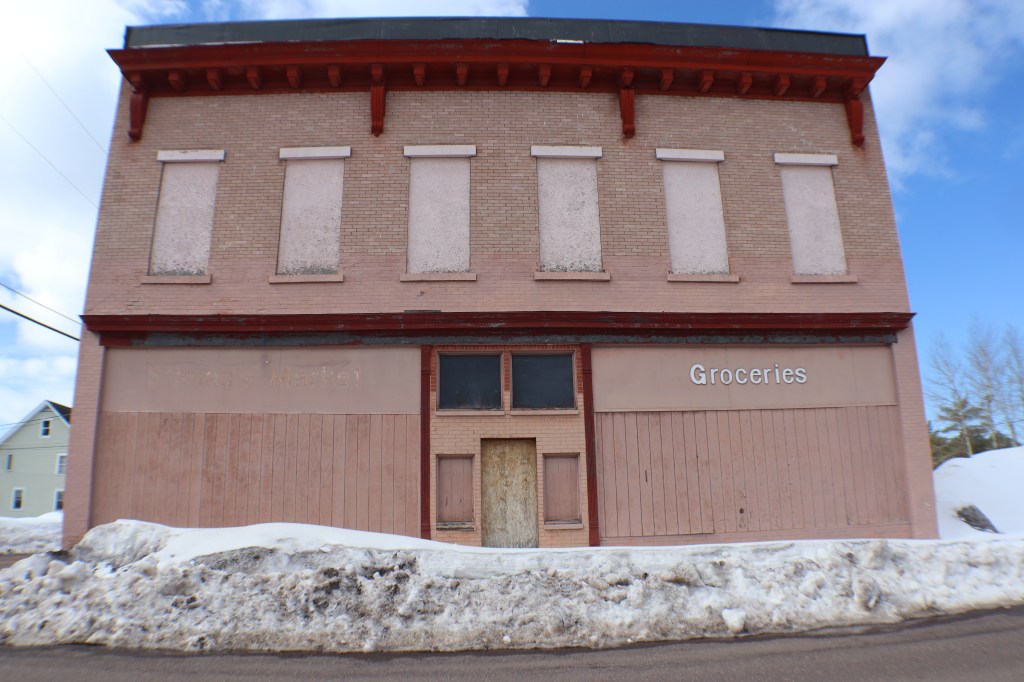
Brick Building; mixed clouds and sun
None of us, however, can get really good at anything – writing, photography, teaching, dog training etc., without first being really average, maybe even mediocre. It isn’t where you start out that’s going to decide things, it is how much time and practice you’re willing to put in. Stick-to-it-ness accomplishes as much or more than raw talent and I’ve been around long enough to see that play out from the art community to academics and industry.
When a friend brings a book to you and says, “I think this may be weird, read it and tell me what you think,” it goes without saying that curiosity is aroused. Particularly when the friend has read the book and is seeking a second opinion.
The cover didn’t help my initial impression of the book. I love book covers and judge a lot by them and this one did not speak to me or appeal to me. Still, I was now curious if I would find Vladimir a ‘weird’ book or not.
First, props to Julia May Jonas for what in my opinion she did well. She has written an engaging story, that reads quickly, and despite my moments of frustration with her main character, kept me reading. Do you know how some books are an effort to finish? This one was not. Some of her characters were very realistic, ironically, she seemed to do best with the aging professor-husband of the main character.
Julia May Jonas
Perhaps equally ironic the one I took most issue with was the point of view character- a woman. My issues with this character remind me of the ongoing debate in the writing community about writing from one’s own point of view/experience.
The point of view character in Vladimir is an aging, female, university professor.
Jonas is several decades younger than her protagonist, works on a university campus but in the theater, and her field of expertise has no overlap with her main characters. In other words, she’s watched aging, women, university professors and on that basis felt ready to write from the point of view of one.
As someone who in real life is much closer to the main character than Jonas is, I was at times rolling my eyes at the inaccuracies and internal conflicts that Jonas gave this character. They were often the concerns of a younger, non-academic person. Fortunately, most readers of this book won’t be aging, female academics, so they won’t be bothered by these details.
Now for the weird part. The book starts out with all the trappings of literary fiction: life-crisis, questioning of values and meaning, potential turning points, and affairs. Fairly standard stuff told with an engaging voice.
About 2/3 of the way in, however, the novel appears to be veering sharply into the Shades of Grey territory. So sharply that I felt like I’d been dropped into a different story. This was followed by an equally sharp correction (by now I felt like I was in a car with a drunk driver) and we were once again back into Lit Novel territory and then the final sharp lunge of direction happened, with no foreshadowing at all. Which as a writer and reader I dramatically dislike. You can throw in all the surprises you wish, but give me a heads up with a hint of foreshadowing, or I’m likely to accuse you of lazy writing.
My response to my friend then became, “Yes, this is a weird book. I felt like I got in a car with a drunk driver – by choice – and spent the trip wondering about my own life choices.”
This is some solid escapism reading for those who aren’t aging, female university professors, or for those who are and still have the anxiety and lesson planning skills of a 20 something.
My Best Read in a month. (Attempt to avoid spoilers but be forewarned, discussion will include information from book.)
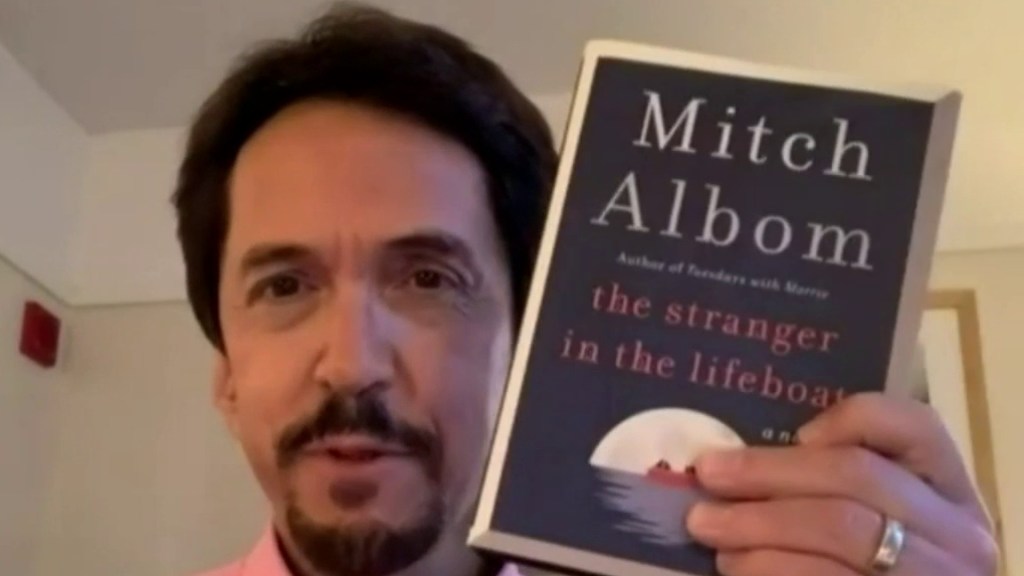
Mitch Albom
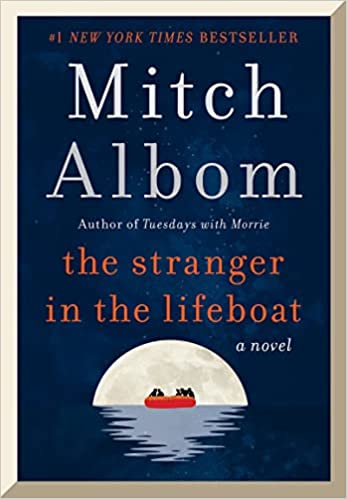
I’m not going to lie. I enjoy Mitch Albom’s fiction.
Albom’s work that I’m most familiar with includes considerations of faith: what is belief and what do we really believe in – people, an idea, a standard of behavior/ethical framework that guides us, a specific being, a relationship with that being… What forms faith, what challenges it, what destroys it?
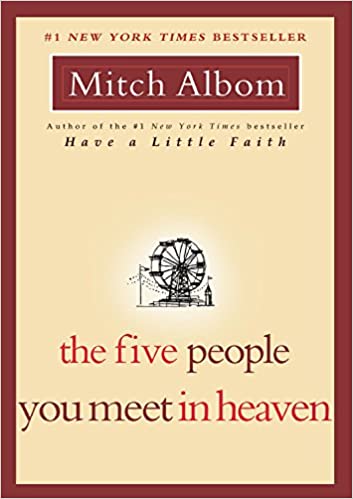
In both this book and The Five People You Meet in Heaven, Albom explores what happens to someone when they lose a close loved one, and this seems to be what he considers the breaking point where most people are likely to ‘lose’ faith.
What then would be necessary for them to reclaim that faith?
In Stranger there were some depictions of God that had me question my own assumptions about faith. It was a strong reminder that my beliefs are personal, individualized by my own experience. It was very interesting also, to see how Albom brought the different threads of his story together by the end. And just like The Five People you Meet in Heaven, I’ll be thinking about The Stranger in the Lifeboat for some time, recommending it to people who want a fairly quick but thoughtful read.
neigh·bor·hood/ˈnābərˌho͝od/ the area surrounding a particular place, person, or object.
Today I am thinking of neighborhood more like community; we tend to think of neighborhood as a physical place, and community as a group. With more of us spending so much time online while also being isolated from many of our physical neighbors, I think neighborhood has to become closer to community – possibly found online – just for the sake of our mental health.
At least I’m going to imagine it as such for the time being.
My writing neighborhood began when I was working on my MFA in writing.
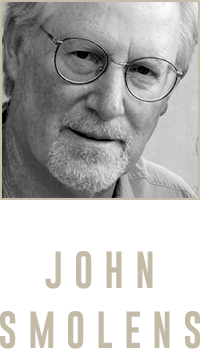
The head of my writing program was John Smolens. When I was studying with John he had started a multi-book deal with Pegasus.
John of course had writing friends, and he brought some of them to visit us, so that this small, somewhat isolated Michigan university became a literary hotbed for a while.
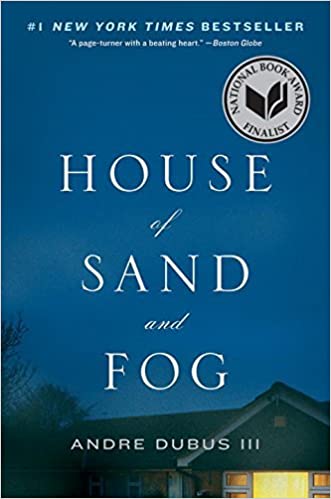
There was the son of his dear friend, Andre Dubus, who John affectionately called Little Andre. At that time, Andre had been featured on the Oprah show for his novel The House of Sand and Fog.
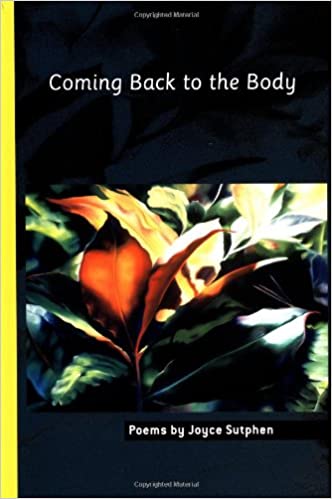
Joyce Sutphen, poet laureate of Minnesota. She had recently released Coming Back to the Body, a deceptive book – thin and unimposing, but sweet, powerful, and aching moments all crowded the pages.
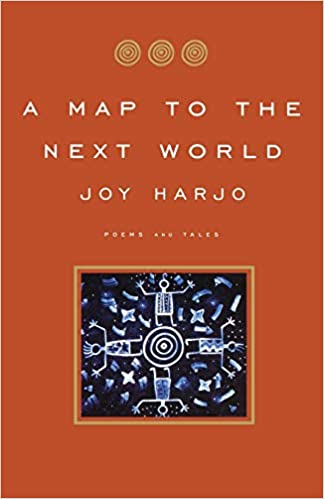
Joy Harjo, who I was so in awe of. At the time AMap to the Next World had recently been released and I felt like a little kid asking her to sign my copy.
Jim Harrison stopped in and told us about his experience filming Legends of the Fall. He said Hollywood would pay well to screw you over. He recommended taking the money.
Neighbors, or just Community?
I follow several women writers who I feel are either neighbors or are neighbor adjacent. We belong to shared book clubs and I’ve chosen to support their independent bookstores. Okay, not really neighbors but potential writing acquaintances.
Jenny Lawson, aka The Bloggess. I started following Jenny’s blog way back. Her first book, Let’s Pretend This Never Happened made me laugh-pee and almost cry. Her current book, Broken in the Best Possible Way; read near a restroom because you will laugh that hard, but have tissue because you’ll also cry.
Jenny’s Nowhere Bookshop is home to the Fantastic Strangling Book of The Month Club, with an array of books picked by Jenny, and discussed online through writing. Because this is a book club for people who may not be comfortable speaking to strangers.
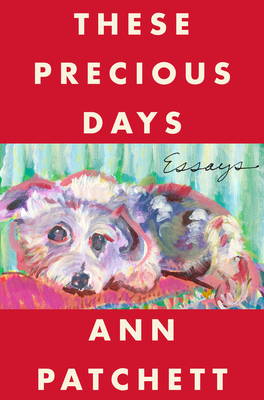
My other virtual book club is Ann Patchett’s, headquartered in her independent Parnassus Books. In January 2022 we’re reading Ann’s book, These Precious Days. This book club has signed first editions, interviews with writers, and virtual discussion groups.
I have other writers in my neighborhood. Some are better known than others. My friend Marty Achatz was in the same writing program I was in with John Smolens. Marty has been Poet Laureate of the Upper Peninsula of Michigan, twice, has a book of poems, and has been blogging for about 12 years. Marty is a gifted writer and performer and he deserves a bigger stage.
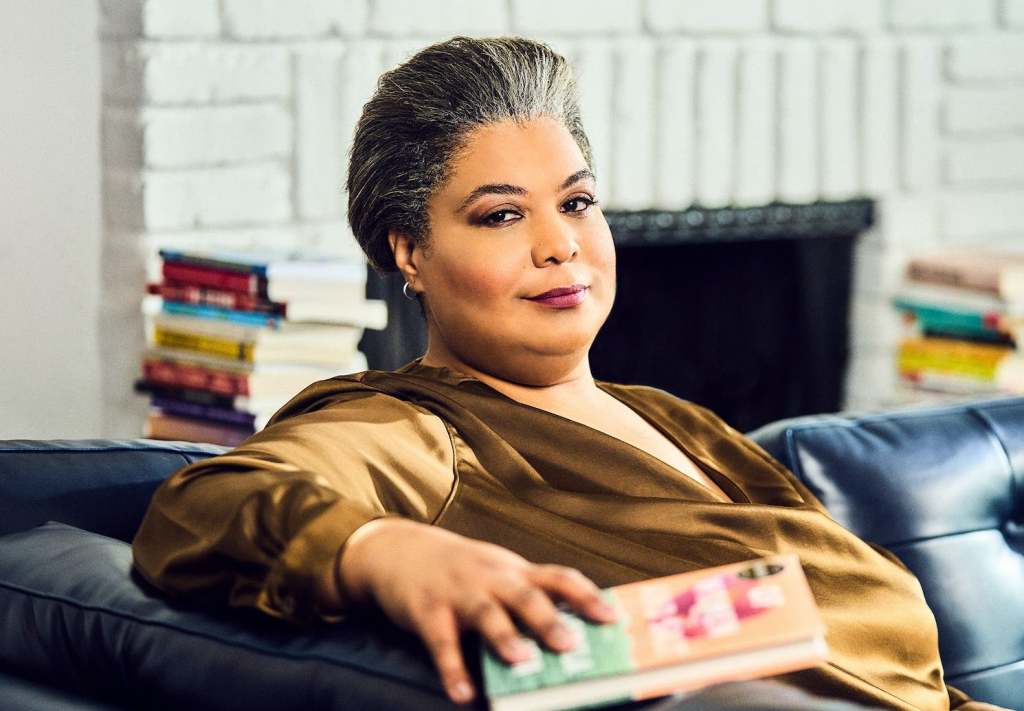
Then there’s my friend from grad school (PhD) who has worked her a** off to get the success she has. So much talent, so much pain survived. Roxane Gay is an amazing human and I feel blessed to have spent time with her before the world discovered how incredible she is. I imagine it might have felt similar to have been one of the early listeners to the Beatles, before they’d left the neighborhood, but you just knew they were going to change the scene. Roxane is changing the scene. (And she has a book club!)
Finally, I am developing entirely new writing neighborhoods through a craft writing group I belong to P2P (Pitch to Published), and a genre writing association, Sisters in Crime.
We are all surrounded by writing neighborhoods and can choose to join communities of folx who share our interests. If you are a writer, you should be a reader, a supporter of your fellow writers. I challenge you to pause for a few minutes and think, who are some of the great writers you already know? Who can you tune into (writers are enjoying podcasting), who can you welcome to your neighborhood?
As a dyslexic, autistic etc. who wasn’t diagnosed until after graduate school, I’m owning that doctorate; it took a wicked large amount of work, pain, and perseverance. It is possible to overcome tremendous odds to reach a goal, something I like the young people I mentor and teach to remember. Some things are impossible – others are just really, really difficult.
I began writing as a child first and foremost to communicate. Language was often difficult and seldom captured what I was trying to say. I started by writing notes for my mother and leaving them on her bed, trying to explain things that had happened during the day. Then I wrote some stories, to imagine a world where things that I wanted to happen, did happen, even if they only happened for other people. Finally, I began to write books.
From the summer garden
My non-fiction was the first that was published and was directly related to what I live and breathe for my livelihood: disability support, services, and studies.
While I continued to write fiction off and on for family and friends, three strokes in a year put a damper on my writing for a while. After a couple of years of recovery, I went back to writing, gradually increasing the length of my projects. Then covid hit.
That’s when I decided to start killing people.
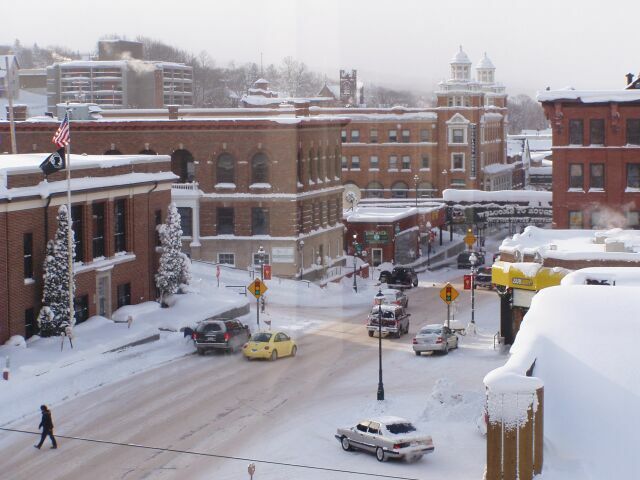
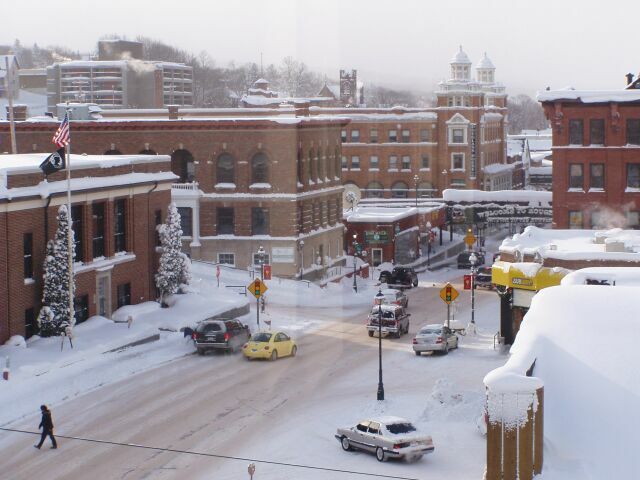
Houghton, Michigan. Remote. Isolated. Home to a fantastic STEM research university. A good place to off-victims, while continuing to work my day job.
And so I began writing what I am tentatively calling my Copper Country Mystery Series. Eventually, my investigators will have to branch out and investigate crime in other areas of Michigan and probably the northern-midwest. But we’re always going to come back to solve crime in the area we love.
I have a growing list of ways to do people in but if you have a location that you think is perfect for a crime, or a way of doing someone in that you’ve always wanted to see explored, or a thinly disguised person you’d like to see at least fictionally get theirs, please pass it on!














 christyoslund