When you Make it to the Publisher’s Catalogue

Then the book will probably end up being a real thing, right?

Polis Books 2023 Catalog https://polisbooks-staging.s3.amazonaws.com/polis-books-2023-catalog.pdf

DEAD BEFORE THE END OF THE ROAD
Christy Oslund
Fiction/Mystery
Publication Date: September 19, 2023
$16.99 / $22.99 CAN • Trade Paperback • 320 pages • 5.5 x 8.5
ISBN: 978-1-957957-21-0
Rights available: World, Audio


Life in small-town Michigan is quiet. Despite the calm, no one hears the blow that strikes a man dead.
A riveting novel for fans of Chris Whitaker that will stick with you after the last page is turned.
Kara Heikkinen finds the murdered man while inspecting a farm for potential cattle-poaching evidence. She
is immediately determined to solve the crime because as both a sheriff’s sergeant and an autistic woman, she
requires a level of order in her world. Allowing the villagers in her Finnish-American town to kill each other
and dump the bodies in cow ponds isn’t orderly.

Unfortunately, the job of solving the crime technically belongs to the State Detective. Not that any of the
locals will communicate with him—they barely speak to each other. But she can use her connections to do
what the detective cannot—talk to locals like the dead man’s mother, a suspect’s neighbor, and her own
well-informed cousin who happened to employ the dead man. She learns of a well-hidden affair, a missing
engagement ring, the victim’s anger over drugs given to his cousin, and envy among ‘friends’ over the
victim’s girlfriend.


Can Kara solve the murder and put her world back in order before the murderer flees the small town on the
shores of Lake Superior and is lost forever?
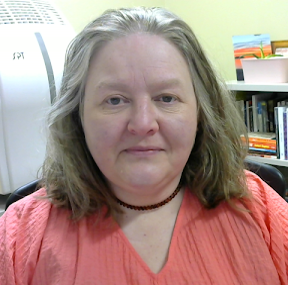

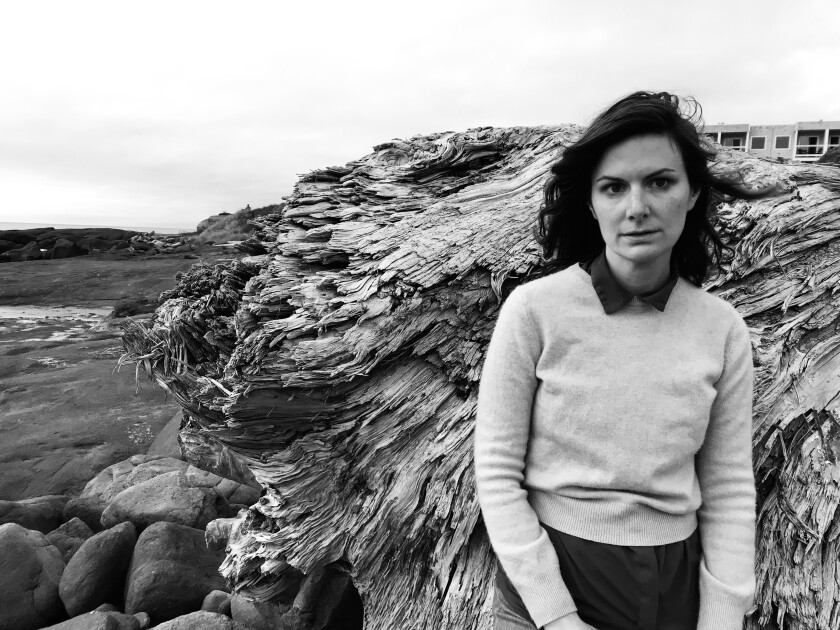
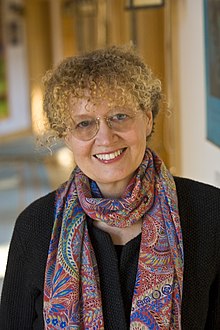
Dyslexic, autistic, and good with animals, Dr. Christy Oslund wasn’t expected to go far in the academic world or writing. She
started killing people (on the page) during a COVID-induced layoff and decided writing was her new side-hustle. Now back at Michigan Tech University, she coordinates services for disabled students. Dr. Oslund has also taught at Northern Michigan University, Michigan State, and at MTU. She holds an MFA in writing and has published extensive non-fiction on disability. She lives with dogs and cats (and refuses to pick a side in that debate) in the Upper Peninsula of Michigan. DEAD BEFORE THE END OF THE ROAD is her debut novel. Find her at christyoslund.blog and @ChristyOslund

I Love a Delightful Reimagining of a Classic, Told From a Woman’s P.O.V.

The Ramayana is an epic poem, a Hindu text dating from 1200 B.C.E. (Syracuse University). As with all classics that are ancient texts, there will be variations in the story (e.g.while all versions I’ve seen agree on who the first of Raja Dasaratha’s wives was, I’ve seen variations on who was second and third). The big picture however: Dasaratha granted his wife Kaikeyi two boons (or undeniable requests) after she saved him in battle. Many years later she used one of those boons to exile his eldest son, Rama, for 14 years, during which time her son Bharata would sit on the throne that Dasaratha is abdicating.

Kaikeyi, Google commons

Was Kaikeyi evil or tricked by her old nursemaid? In early tellings, the older woman is often portrayed as a hunchback, a classic example of using visible disability to portray inner flaws in personality. While debates have spanned the decades of who the real villain is (this story has been turned into movies and TV shows) Vaishnavi Patel has written an exciting reimagining, told from Kaikeyi’s point of view, where neither woman is evil, yet both are human.

Vaishnavi Patel

In Kaikeyi, Patel shows how our heroine, so often at the mercy of decisions made about her by men, manages to carve out a life for herself and in so doing, improve the lives of women in her kingdom. Kaikeyi remains human, having moments of doubt, jealousy, anger, and feelings of abandonment, she also remains a woman doing her best not just for herself but for those around her. She truly seeks what is best both for the kingdom she has married into, as well as the kingdom of her birth, and all the weakest members of society. One of the triumphs of her life is to witness women in other regions being allowed previously unheard-of liberties (running businesses, allowed religious education) based on the examples set in her kingdom.

Most of us need to make an effort to read outside whatever our typical habits are. This includes reading outside our culture. And for those who share Hindu culture or who are familiar with Hindu literature, what a bold reimagining of a traditional story. This is a perfect bookclub text because whether one is familiar with the background epic poem, this is an incredibly compelling and nuanced telling.

I’m Biased (based on experience) and therefore may Prefer Autistic Writers

Admittedly, I’ve noticed as I age, I have less appetite for fiction with magic/fantasy and am more interested in exploring the reality of all manners of shenanigans folx can get themselves into in the regular world. That kind of mischief is typically far freakier and odder than anything we fiction writers are going to come up with.

Bookshelf with books organized by color by ChrisEdwardsCE is licensed under CC-CC0 1.0

In an attempt to keep my reading from becoming too narrow, I join book clubs and get exposure to books I would otherwise not pick up. Of course, I’m always behind, with a to be read pile that’s spread out over shelves. My current read from one of my clubs is The Book Eaters.

Image of USA hardback book cover for The Book Eaters

Part way in, I started to have some logical problems with the world being built by author Sunyi Dean. I stopped to read her bio, which I hadn’t bothered with since it was after all, a book club pick. When I saw she identified as autistic my view of her world changed.

Something to understand about autistic writers is that we have obsessive level constraints about the worlds we make, e.g. there are rules, and they are thought through and followed, they just might not be the rules that another writer would have gone with. Knowing this, my internal critic was able to relax and trust, if I stuck with this work there would become evident reasons for all the choices being made.

Image of author Sunyi Dean

To be fair and reasonable, and in keeping with my training in philosophy, I ought to give this same benefit-of-the-doubt to all writers/books. Truth be told, though, I’ve been burned too many times.

I know I’m not the only reader who gets frustrated when an author has events happen that don’t fit into the world they’ve built, or has a character act dramatically out of character, or my biggest pet peeve, has something turn out to have ‘actually happened’ that they established earlier could not have happened. I don’t even mean deception to build a mystery sort of thing, I mean someone f’d up the continuity/editing and an event happened that couldn’t have.

Image of a Cosmic Explosion

I feel like making the unsupported claim that autistic writers are more likely to produce characters and worlds that stick to the internal rules of that character and world. My wish to make this claim may simply be based on my bias. But when it comes to this specific example, The Book Eaters and Sunyi Dean, I have been proven correct; the world contained within the pages remained true to itself and thus to the reader.

Writing and Creative License: Knowing an autistic isn’t the same as being autistic

A rose by any other name and with any number of thorns is more pleasant to deal with than this book was

In the community of writers, there is an ongoing debate about ‘#ownvoice’ writing vs. ‘writing as a creative act’, e.g. a writer’s creativity should not be shackled by their lack of personal experience. Knowing that I have little positive to say about a book that someone else labored long and hard on is something I’ve put off for months. But this is also a cautionary tale for writers about why we all need to be careful about trying to tell other peoples’ stories.

Pink rose being sniffed by the nose of a puppy.
Pink rose being sniffed by chihuahua-dachshund pup

A cute puppy – Winnie – that I would rather spend time with:

Chihuahua-dachshund puppy.

There’s a great deal to be said for literary license, that allows us as creatives and writers to explore experiences that might be adjacent to what we’ve lived but aren’t our actual experience. Most writers, for example, will write both male and female point-of-view (pov) characters, while most writers will have lived from only one of those pov. . . and generally we as an audience are fine with that.

A day lily and 4th of July Rose that I would rather look at:

Orange day lily and red and white rose.

At the same time, I personally have read male writers’ women and thought, “They really don’t get it.” We – as writers – should still be allowed to explore different pov characters. And when we do, we also have to accept that we may be criticized for our take, particularly when we are writing from a pov rather far removed from our own. And when that pov represents a historically marginalized community . . . lots of room for trouble.

What is most frustrating for members of that marginalized community though, is when a book featuring ‘their’ pov is written badly by someone who is not a member of the community, yet does very well commercially. That is basically salt in the wound.

Our current case in point, The Maid.

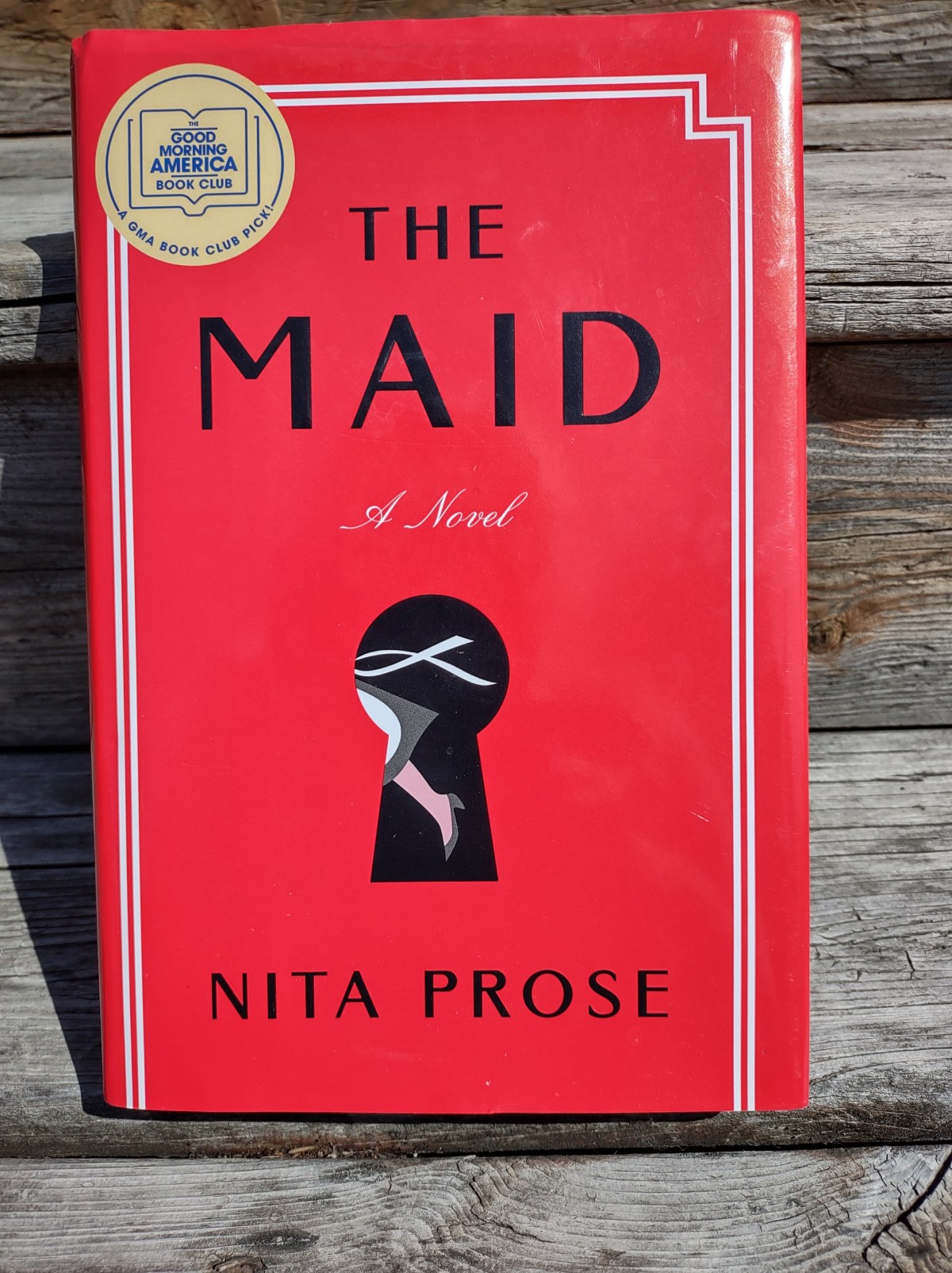
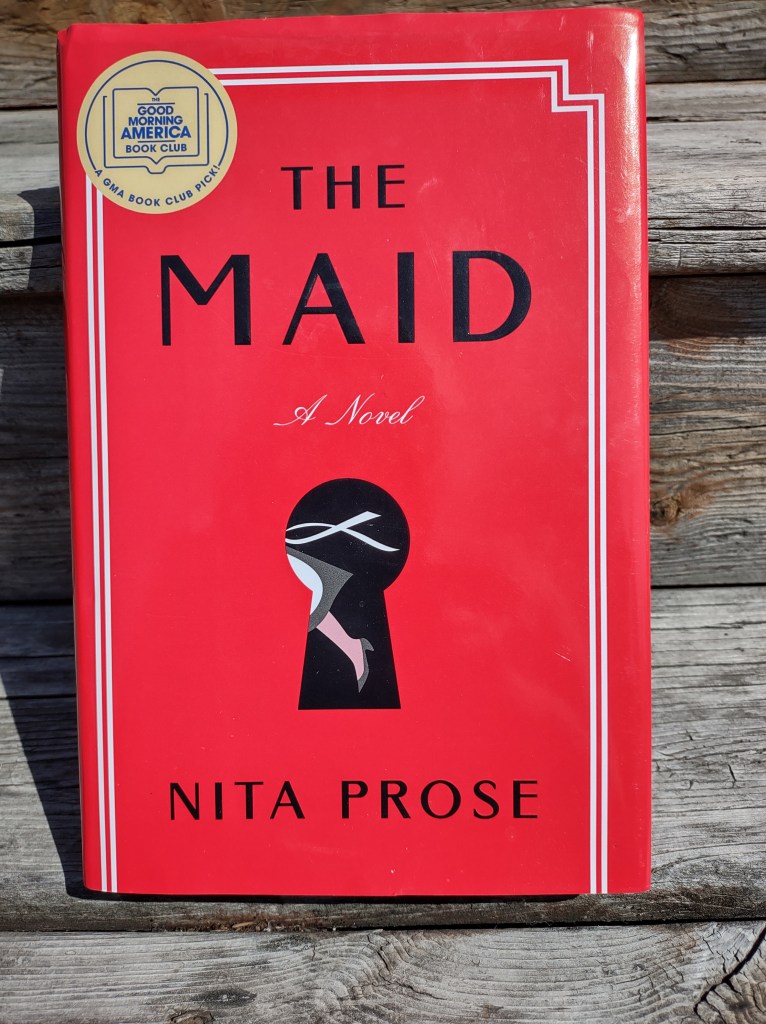
Cover of The Maid by Nita Prose.
The neurotypicals are loving this one . . .

To summarize what at least one person has commented, Publishers and writers seem to think if they don’t name the disability, then when they are called on the inaccurate portrayal they can say, ‘well we never said the person was x’.

There are stereotypical social portrayals of autism which invariably include Obsessive Compulsive behavior, including fascination with a fixed topic; an inability to decode social norms and expectations; naivete, particularly compared to same-age peers. Throw these all onto one character and people are going to read her as autistic.

Someone who is not autistic, writing an autistic pov is fine in theory. But when the portrayal turns the character into a puppet who is manipulated (that’s an autistic reading, not at all what the writer was going for) by the neurotypical characters who are ‘helping’ her – by having her rehearse lines to say, saving her when she’s in legal trouble, and caretaking her because she is portrayed as unable to be truly independent – well, don’t be surprised when autistic readers are offended.

Neurotypical readers, however, seem to generally love this story. They are amused by the ‘quirky’ pov, while being able to identify with her saviors who swoop in at key moments. They are not relegated to being the character who is incapable of orchestrating her own narrative. She’s the woodchip, they’re the waves who move her.

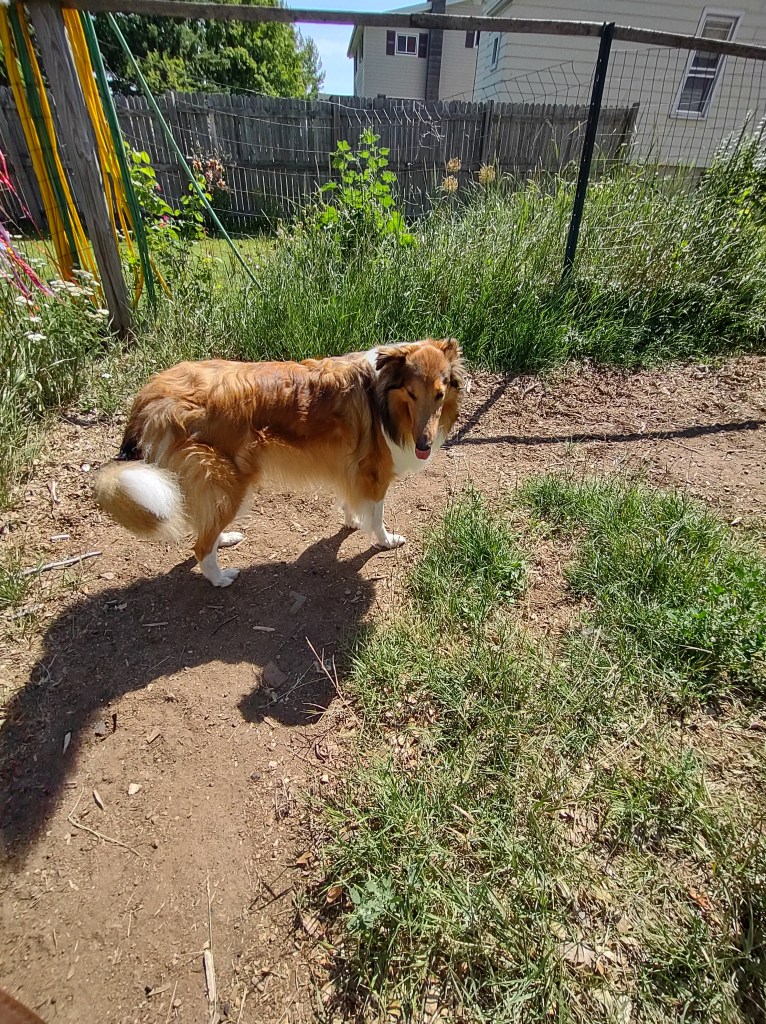
A Collie, whose barking I would rather listen to:

Collie dog standing outside on a summer day.
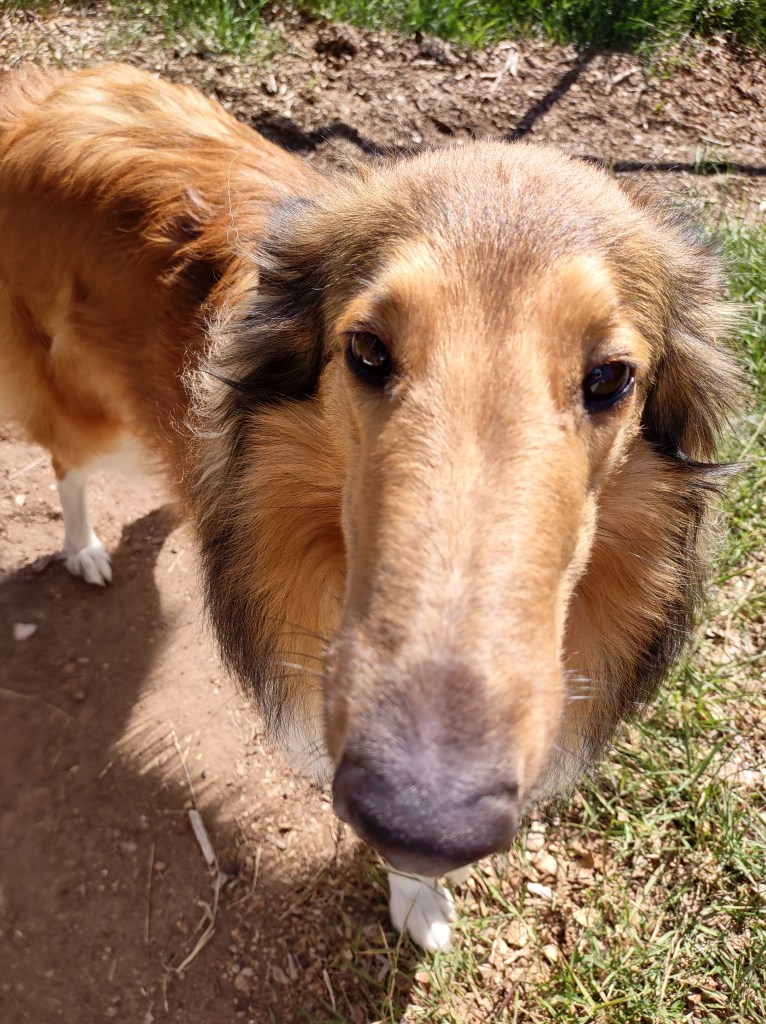
Close up of collie dog

Note: because this whole endeavor has cost me a lot of spoons (please lookup spoon-theory if this is not a familiar term) I have randomly included images in this post that make me much happier than the topic itself has.

Neurodivergent readers: This is going to be turned into a film. And we all know the likelihood of them choosing a neurodivergent actor to play Molly is as low as it is likely that Ballantine Books will follow this book up with several written by #actuallyautistic writers.

Prairie Lotus: Linda Sue Park

I’m writing a middle-grade historical western thus I’m reading them. What a lovely example of the genre we have in Prairie Lotus.

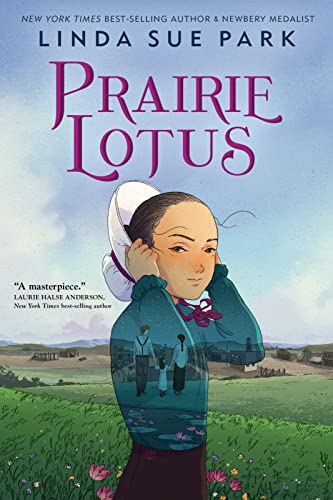
Cover of Prairie Lotus

I found it very interesting to read how Linda Sue Park came to write this book. We have in common a love of the Laura Ingalls Wilder Books, the Little House series. She had long imagined what it would be like if she could have known Laura Ingalls as a child, and what it would be like to be Asian in the historical west. This book is the fruition of that imagining.

Overall well written and researched, the only bump-out I experienced was the very 21st-century concerns that passed through the main character’s thoughts at points. Park had wanted to in some way show awareness in the book about social injustice and prejudice. While I admire the goal the result was that at times the character’s thoughts were not in keeping with her time and place. I found this very acceptable though and appreciated what Park was trying to accomplish.

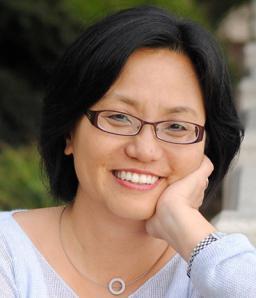
Linda Sue Park

Some books I feature on this blog are enjoyable, some interesting, some at least cause thinking. I would say this book has all those features going for it.

Vladimir: Lit hit at Shades of Grey?

Potential spoilers, so reader beware.

Cover of Vladimir, by Julia May Jonas

When a friend brings a book to you and says, “I think this may be weird, read it and tell me what you think,” it goes without saying that curiosity is aroused. Particularly when the friend has read the book and is seeking a second opinion.

The cover didn’t help my initial impression of the book. I love book covers and judge a lot by them and this one did not speak to me or appeal to me. Still, I was now curious if I would find Vladimir a ‘weird’ book or not.

First, props to Julia May Jonas for what in my opinion she did well. She has written an engaging story, that reads quickly, and despite my moments of frustration with her main character, kept me reading. Do you know how some books are an effort to finish? This one was not. Some of her characters were very realistic, ironically, she seemed to do best with the aging professor-husband of the main character.

Julia May Jonas

Perhaps equally ironic the one I took most issue with was the point of view character- a woman. My issues with this character remind me of the ongoing debate in the writing community about writing from one’s own point of view/experience.

The point of view character in Vladimir is an aging, female, university professor.

Jonas is several decades younger than her protagonist, works on a university campus but in the theater, and her field of expertise has no overlap with her main characters. In other words, she’s watched aging, women, university professors and on that basis felt ready to write from the point of view of one.

As someone who in real life is much closer to the main character than Jonas is, I was at times rolling my eyes at the inaccuracies and internal conflicts that Jonas gave this character. They were often the concerns of a younger, non-academic person. Fortunately, most readers of this book won’t be aging, female academics, so they won’t be bothered by these details.

Now for the weird part. The book starts out with all the trappings of literary fiction: life-crisis, questioning of values and meaning, potential turning points, and affairs. Fairly standard stuff told with an engaging voice.

About 2/3 of the way in, however, the novel appears to be veering sharply into the Shades of Grey territory. So sharply that I felt like I’d been dropped into a different story. This was followed by an equally sharp correction (by now I felt like I was in a car with a drunk driver) and we were once again back into Lit Novel territory and then the final sharp lunge of direction happened, with no foreshadowing at all. Which as a writer and reader I dramatically dislike. You can throw in all the surprises you wish, but give me a heads up with a hint of foreshadowing, or I’m likely to accuse you of lazy writing.

My response to my friend then became, “Yes, this is a weird book. I felt like I got in a car with a drunk driver – by choice – and spent the trip wondering about my own life choices.”

This is some solid escapism reading for those who aren’t aging, female university professors, or for those who are and still have the anxiety and lesson planning skills of a 20 something.

Mouth to Mouth: Maybe I’m too autistic for this one.

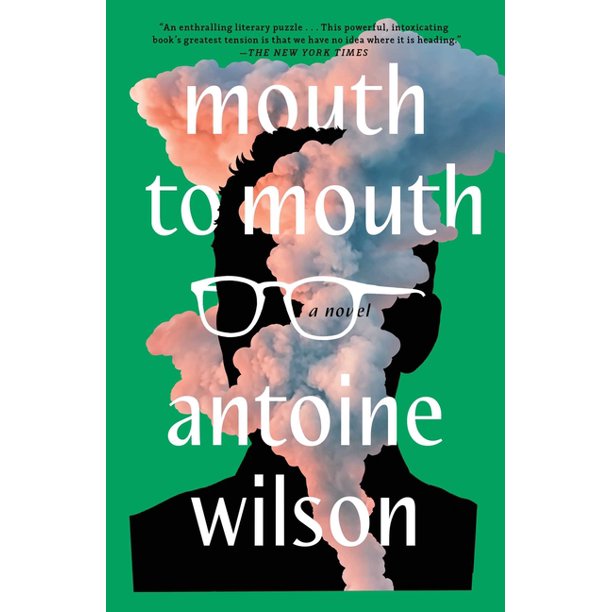
cover of Mouth to Mouth

Let me begin with a disclaimer of sorts: I believe Antoine Wilson is a strong writer, who is capable of producing a story that keeps a reader engaged. I am basing this in part on the other reviews I glanced at after reading this book. Lots of them said they felt engaged, couldn’t put it down, found it to be a page-turner.

As someone who spent many formative years in Canada, I also have a soft spot for Canadian writers, such as Mr. Wilson. I was rooting for this to be an engaging book.

The challenge I ran into with this novel is that when you have an unreliable narrator telling you therefore, unreliable things (which are clearly self-serving,) am I really supposed to be surprised that the natural outcome of his obsession and self-serving narrative is the destruction of another person?

While many of those who are leaving reviews talk about the “surprise twist-ending” I’m with the reviewer who asked, “What did you think was going to happen?”

For me, it was thus an interesting if unsurprising narrative.

Antoine Wilson, Canadian author, writer of potentially surprising endings

This book combined with a few others I’ve read lately have left me wondering if sometimes neurodiverse readers just have a very different experience with a story compared to neurotypical readers. I have suspected sometimes that I’m missing nuances at play between characters. In this book, for example, there’s a scene near the end where it is revealed that one character has actually known a big secret that the point of view character (POV) has kept hidden the whole time. The POV character acts like this is a big deal. I couldn’t help but immediately think of a straightforward logical way of dealing with this complication and was mystified by why our scheming character was so dumbfounded and overwhelmed. I feel like I’m missing something here in the expectations around relationships between neurotypical people.

At the same time, it is pretty hard to surprise me. A twist isn’t much of a twist when you can see it coming from early in the story. I’ve heard/read other neurodiverse readers say something similar, “How did everyone not see that coming?”

Antoine Wilson, Canadian writer. If you’re neurodiverse, read and let me know if you perceived the ending ahead of time. If you’re neurotypical, you’ll love the surprise ending! 😉

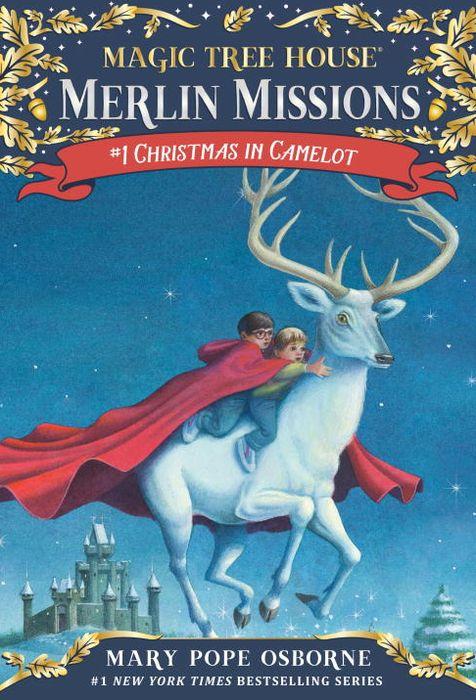
Middle Grade: Christmas in Camelot

First book in the Magic Treehouse – Merlin Missions Series

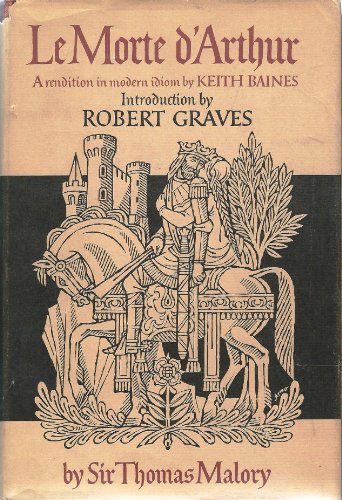
Mary Pope Osborne wasn’t writing when I was a kid, more is the pity. I would have collected and been devoted to these books. When I was young, I read about Merlin and King Arthur, in a far less youth-reader friendly version of the story.

A 1962 edition of Malory’s Le Morte d’Arthur

Of course, the Magic Treehouse books aren’t telling the King Arthur tales; they are telling stories of a brother and sister, Jack and Annie, who are sent on adventures through time by Merlin.

In the first book, however Annie and Jack do travel back to Camelot to aid King Arthur and his citizens, who have lost all joy and hope. Who better than children to set out on the quest to recover them?

This excellent adventure with just the right amount of not-too-dangerous danger made for a compelling read. How much I wish this book had been available when I was a young, dyslexic reader looking for something that would draw me in but not be too frustrating.

Mary Pope Osborne,
champion of young readers

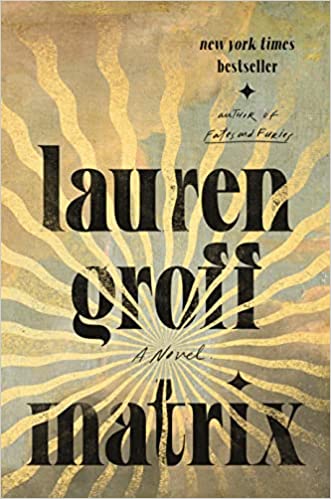
Matrix: A Novel

Cover of Matrix: A Novel

This week’s book is Lauren Groff’s Matrix, her sixth novel. Groff is a gifted writer, so I feel bad saying I never really warmed up to this book, even though unlike some readers I loved the premise: historical, strong women, nunnery etc.

Strengths include tackling subject matter that most writers avoid, including imagining a [probably not very accurate] life for a historical person, in a way that it has not been previously imagined. Strong women who create a cloistered world that largely keeps problems, aside from hunger, at the edge of their domain.

Admittedly, the narrative style kept me at arm’s length. I also wasn’t sure about hanging this imagining of the main character’s life on the name of a historical woman; it could have been, in my opinion, just as powerful to use a created name alongside a statement that the story was inspired by the historical poetess and nun. My own limitation: I don’t like creating so many fictional events and sticking them under a real person’s name, even when that person is long dead and particularly when the events don’t always jibe with what is known about the historical person.

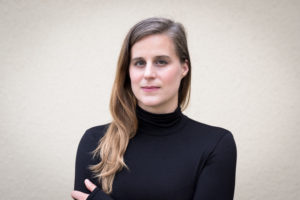
Lauren Groff

Despite not appreciating all of Groff’s choices in this particular work, I think she is a gifted writer who will continue to produce noteworthy work. I look forward to seeing what is next from her pen.

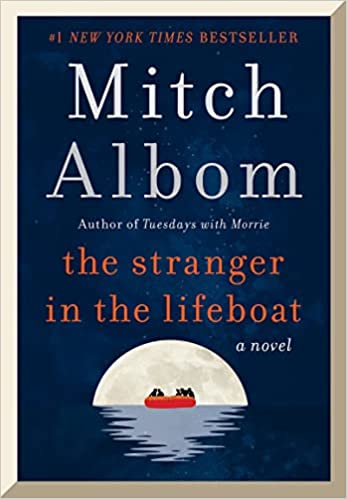
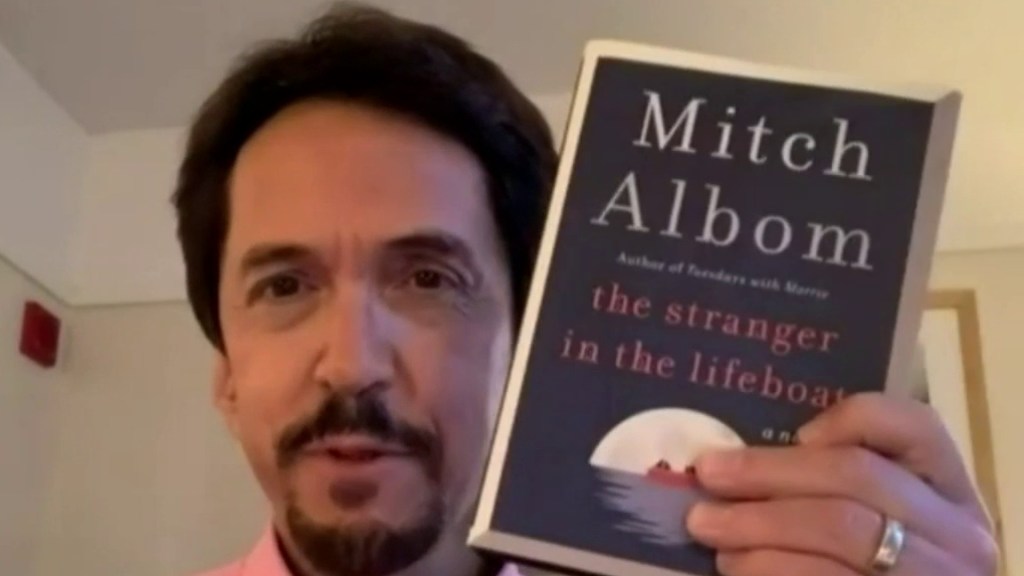
The Stranger in the Lifeboat

My Best Read in a month. (Attempt to avoid spoilers but be forewarned, discussion will include information from book.)

Mitch Albom

I’m not going to lie. I enjoy Mitch Albom’s fiction.

Albom’s work that I’m most familiar with includes considerations of faith: what is belief and what do we really believe in – people, an idea, a standard of behavior/ethical framework that guides us, a specific being, a relationship with that being… What forms faith, what challenges it, what destroys it?

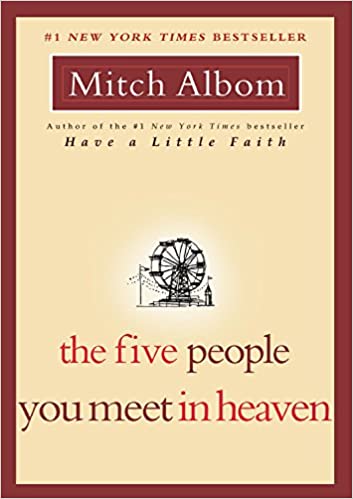
In both this book and The Five People You Meet in Heaven, Albom explores what happens to someone when they lose a close loved one, and this seems to be what he considers the breaking point where most people are likely to ‘lose’ faith.

What then would be necessary for them to reclaim that faith?

In Stranger there were some depictions of God that had me question my own assumptions about faith. It was a strong reminder that my beliefs are personal, individualized by my own experience. It was very interesting also, to see how Albom brought the different threads of his story together by the end. And just like The Five People you Meet in Heaven, I’ll be thinking about The Stranger in the Lifeboat for some time, recommending it to people who want a fairly quick but thoughtful read.