Writing a Query Letter

Query letters are business documents.

I’ve seen a few folx posting documents they intend to use as a query letter, only to have other writers point out that what they’ve written is far too long. So I thought I’d post the basic format of a cover/query letter.

Note: we like to think as creatives, our creativity belongs in our cover letter. For agents/publishers, a query letter is a business document and it has very standard expectations, including length and content.

Length: 300 words; 350 is considered too long while 320 is acceptable but wordy.

Yep, that’s not nearly long enough to outline your book. But an outline that covers everything isn’t the work of a query letter, that’s the work of a synopsis. You will increase your odds of getting someone to actually consider the content of your letter, and request pages from you, if you do not confuse the two.

Opening: Be intelligent. Pay attention to a person’s preferred pronouns (check their Twitter profile, then their web page), e.g. Dear Mx., Ms., Mr. . . . do not be overly friendly, be professional. You are writing an appeal to gain something, you are not hiring a service. [You may think your work will make the person money one day, but they have no reason to believe this yet; in the beginning, you’re no better than a phone solicitor trying to sell them something while they’re trying to get something else done.]

Photo by Suzy Hazelwood on Pexels.com

Paragraph 1: a) Why this agent/publisher and b) what are you offering?

a) It is best if you can point to a work they have recently (no more than 3 years) printed or represented, that is in the same genre that you are offering and has another commonality, like a similar theme to your book.

b) Title, genre, word length of your work. If this is your first traditionally published book, let them know it is a debut, as that means you have ‘potential’. If you’ve self-published a previous book, don’t mention it unless you can add that you sold thousands of copies.

Dear Ms. Smith,

When I learned you represented Betsy Bop’s The Dinosaur Wrangler, I thought you might be interested in DINOSAURS IN THE VILLAGE, 69,000 words. This is my debut MG novel.

Paragraph 2: Conflict/motivation – what is the main conflict your point of view character has to face, and why do they care about resolution (and therefore, why should the reader care?) Yes – include an example of motivating forces, NO – do not try and tell the whole story.

When 11 yr. old Glory discovers her little brother is keeping a baby dino in the pocket of his wheelchair, she knows she must hide it before he is found out and banished from the village. Then Wizard Skizims discovers Glory and her brother with the dino, sneaking out at night to free the baby’s caged daddy, and Glory’s fears are realized. Now Glory has 13 days to return the dino to his mother, who plans to trample the village with her tribe, retribution for trapping the baby dino’s daddy. Can Glory save them all or will Skizims’ prejudice lead to their destruction?

Paragraph 3: Comps/placement – a) if an agent/publisher went into a bookstore looking for your book, what other books would they find on the shelf alongside it (this is marketing info. It is vitally important. If your book has no comps, then you are unlikely to get anyone to handle/publish it.)

You can also do a ‘meets’ example, e.g. if I took these two things and put them together, their child would be my book ( Title X Title). In the ‘meet’ example you can use TV/movies as well as books, you’re trying to connect your book with popular culture ideas that the person you send the query to would be familiar with, and that provides accurate insight to your tone/theme.

b) any qualifications you have to write on the topic, and any other writing credentials you have.

DINOSAURS would be found between The Dinosaur Wrangler and The Dinos of Warp Land, think Dora the Explorer X Lord of the Rings. This stand-alone book also has series potential. I am a sixth-grade teacher with a specialization in paleontology; my students’ love of dinos inspired this book.

Thank you for your consideration,

(188 word cover letter).

This letter does all the work a letter needs to do; yes, I did use a simple example, with one POV character. Some writers have a plethora of characters they switch between. The more complicated your book is to crystalize into a query letter, the more likely you’ll encounter trouble getting someone to look at it. Plenty of writers end up putting their first book aside and querying their second or even third book. Once you have an agent or publisher, you can revisit your more complicated works, because you already have a foot in the door.

Remember, an agent/publisher knows the kind of work they’re currently interested in. They need fairly bare-bone facts to know if they are interested in requesting/reading your pages. Once they read your pages, they’ll know if the book meets their needs. Pitch the idea and genre first, then let your writing sell the book.

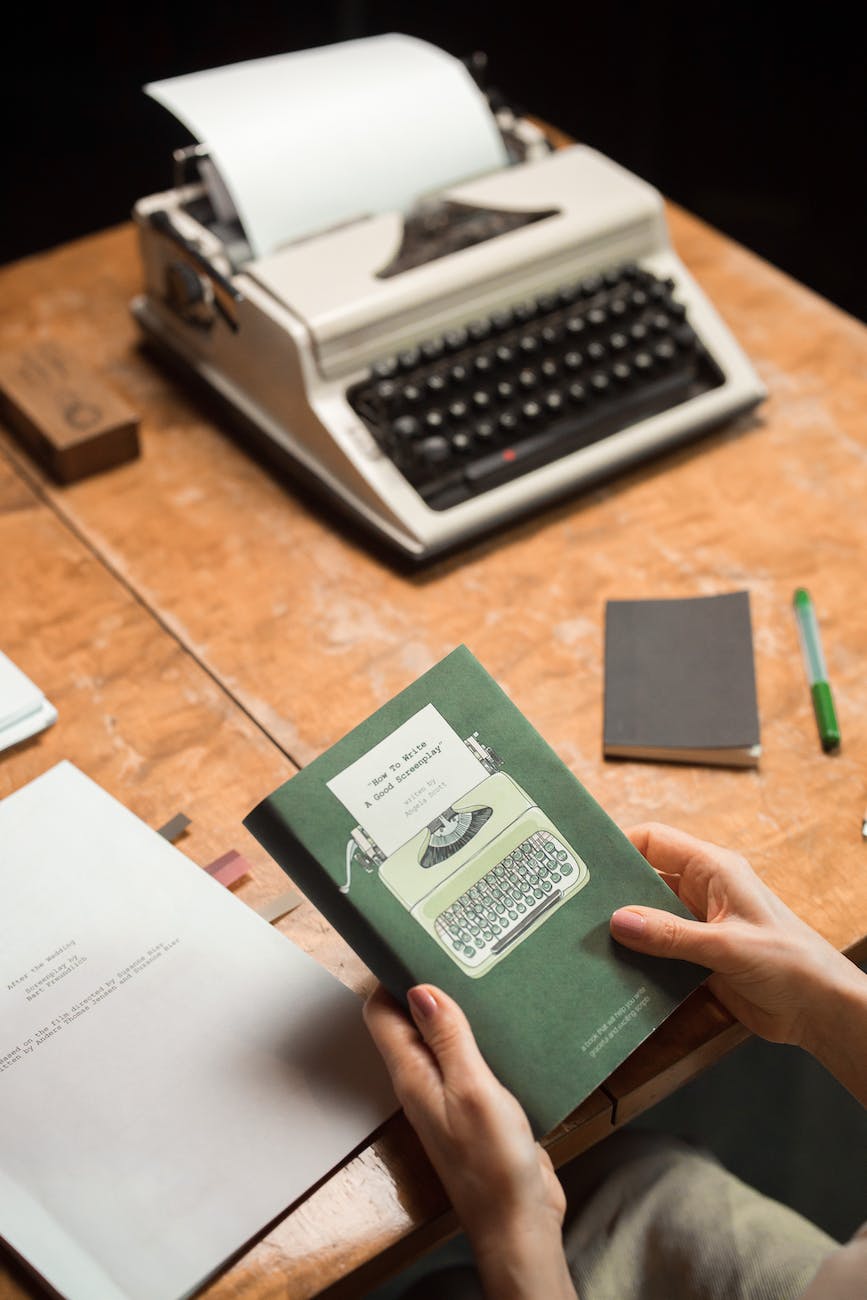
Photo by cottonbro studio on Pexels.com

Writers Zone: Beta Readers . . . considerations, kindnesses, and select realities

I have yet to meet the writer who, having created something and still in the early excitement of ‘this might really be something!’ doesn’t yearn for another set of eyes and another person’s reaction to what is written.

Paper Mache sculpture of person reading a book by Nicholas Mutton is licensed under CC-BY-SA 2.0

In fact, I belong to a range of writers’ groups and there are regularly posts/chats/messages about writers seeking someone to beta read what they’ve written, from an opening page to an entire manuscript. What is on offer from the writer can vary from the first very rough draft of a paragraph, to an entire whopping novel. If you find yourself in this context, let’s think of some questions you ought to ask yourself before seeking those beta readers.

Did I just finish what I wrote?

If the answer is yes, then the beta reader you are looking for is your bff, partner, friendly neighbor, dog walker, member of the congregation you go to religious services with who is interested in writing . . . in other words, early days. You’re not ready to stick that first rough draft in front of readers who you want real opinions from. At this point, you just want affirmation that you haven’t totally puked on a page.

  1. Set it aside and keep writing your work in progress
  2. Go back later and make sure the basics of grammar are there; no one wants to suffer through your unpunctuated, grammar/spelling errors
  3. Yes, being a writer means learning about delayed gratification and this is tough.
Manuscript Memorandum of George Washington by The Metropolitan Museum of Art is licensed under CC-CC0 1.0

have I completed an entire first draft?
If the answer is yes, then the beta reader you are looking for may well be an editor; that may be a developmental editor, or a line editor who clears up errors you don’t see because we all reach a point where what is in our head and what is on the page can no longer be distinguished by us.

  1. There are a range of hired services available, depending on your needs and budget
  2. If you don’t have money to hire an editor, can you barter services with someone (depending on your skillset this could be a local or online arrangement)
  3. Do you have the skill set to trade editing with another writer; if not, then you ought to save up and hire an editor. Beta readers can’t give you an honest opinion about your writing if they’re constantly tripping over errors.

Has my manuscript been through an initial edit?

If the answer is yes, then you are ready to seek real beta readers, e.g. readers who know the conventions of the genre you have written in, or who have enough of a writing background to judge if your conflict, characters, and plot are doing their job.

  1. Join writing groups and offer to trade manuscripts with other writers who have equally prepared their manuscript, i.e. they have a full draft with at least an initial edit
  2. If you can afford it, join a paid writing group like P2P where every month you have the opportunity to workshop the first 5 pages of your manuscript with other serious, experienced writers; you then develop connections and can potentially trade manuscripts or even find generous volunteer readers
  3. Return the favor to other writers by volunteer reading (even if they aren’t the same people reading your manuscript, but they are a member of the same writers’ group – you need to develop the ethos of a writer who contributes to the community)

clarify what you’re seeking before handing off your book

Beta readers sometimes think they are being helpful if they start marking up your manuscript to point out the errors they have found. Initially though, what you are seeking as a writer are ‘big picture’ remarks.

  1. Ask that beta readers focus on the story – is it clear, do they want to keep reading, if they find plot points where they just feel bumped out of the story (for any reason) can they just make a mark to indicate where and try and keep reading
  2. If they find a point that is so disruptive that they can’t keep reading, ask them to indicate it and explain what they find a problem
  3. This one is the hardest: be honest with them and yourselves, if they are finding so many errors that they can’t help but mark them, ask them to just stop after the first chapter and send you that feedback (you either have a manuscript that still needs developmental work, or you have asked an editor to be a beta reader and it isn’t the same job.)
Writer in the park by Thomas Nugent is licensed under CC-BY-SA 2.0

writing is hard, painful, lonely, and occasionally exhilarating

The hard work involved in writing for publication sucks, in a lot of ways. If you are the sort of person who needs instant gratification that comes in the form of a stranger telling you how clever you or your work are, then writing is likely not for you. It takes so much work and time to get to the point where your work is ready for someone, somewhere to love it (who isn’t your partner, neighbor, dog walker . . ..) Pacing and patience are key. Writing groups can help, if you want to spend time with others who understand and share your unique brand of pain/challenge/reward.

Think twice, however, before asking for beta readers. You will create a reputation for yourself in your writing community. It can be as a writer who shows respect for beta readers by handing them a clean and ready manuscript. Or not.

Writers’ Zone: Formating. Plus, room for writers’ concerns/questions.

Writers can save time, effort by formating for publishing from the start.

A blank page.

Photo by Markus Spiske on Pexels.com

Regardless of how one writes – on paper, on computer, on stone tablet – one begins by facing a blank page. As someone who belongs to more than one online writers’ group/discussion page, I’ve noticed two particular concerns that come with the blank page: Story and Formatting.

Blank page against a floral background
Photo by Eva Bronzini on Pexels.com

Story

That’s often the first concern for a writer. Under the broad umbrella of story one finds considerations of:

plotting

character development

pacing

It is not uncommon for less experienced writers to focus so much on story that they overlook another important, if less creative element of writing: formating.

Unfortunately, this creates a lot of additional work and reformating that could be avoided, if one knows and uses the expectations of formating that agents and publishers have for initial submissions.

Photo by Markus Winkler on Pexels.com

Formating

Writers are creative. We often like to imagine we have many choices when it comes to formating our manuscripts. And we do – up until we want to submit to an agent or publisher.

Photo by Ron Lach on Pexels.com

Agent and publishers have simple expectations when it comes to how they want to see a manuscript:

12 point Times New Roman font

First paragraph of each chapter, left justified

All following paragraphs indented

Double spaced

(remove extra space before/after paragraph and use uniform double space)

Photo by Katya Wolf on Pexels.com

We mustn’t be discouraged about the uniform expectation for manuscript submission. Rather, we should use all that creative juice we wanted to use for formatting, and focus it on the story itself.

Questions, Concerns, Disagreement?

I am adjusting this blog slightly and rather than just featuring books/writers already published, I would like to include more information and a forum for writers working towards publication.

Do you have a writing question you’d like addresssed?

Do you disagree or have a follow up question with something said here?

Please comment or contact me.

Photography and Writing: You Learn by Doing

Writing and photography are two of my biggest passions in life – along with animal rehab and adoption.

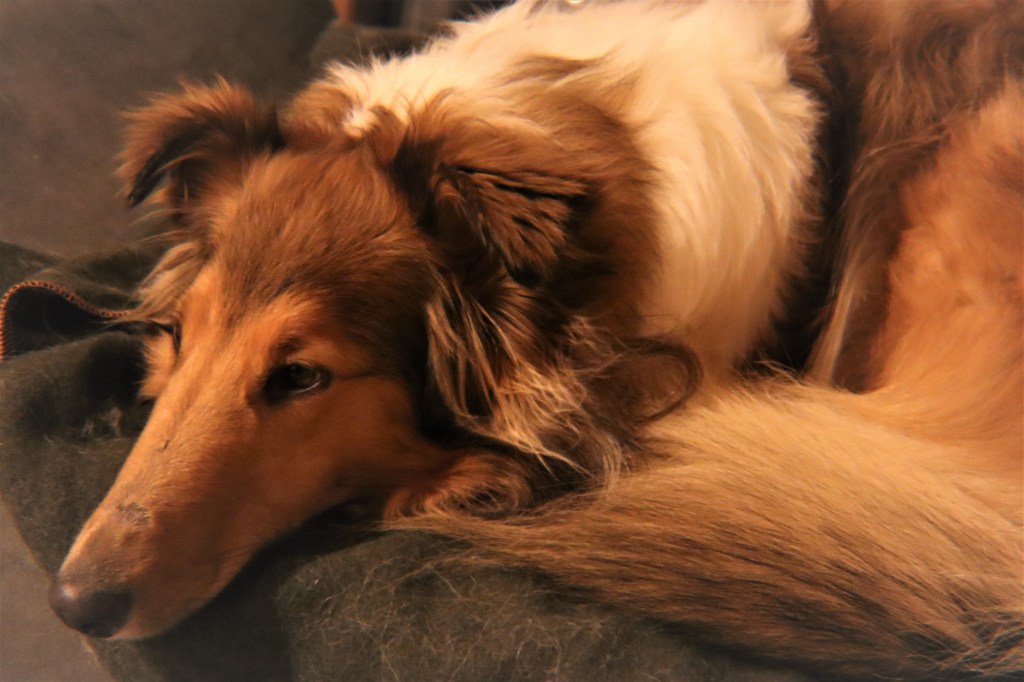
Sable and white collie, indoor, low, natural light

But let’s not go down too many rabbit holes at once.

Recently I was discussing photography with a young person and they said, while they enjoyed taking pictures, they didn’t do so often because they weren’t good at it. This is the same bind that many writers get into – I don’t write more because I’m not as good at it as I want to be.

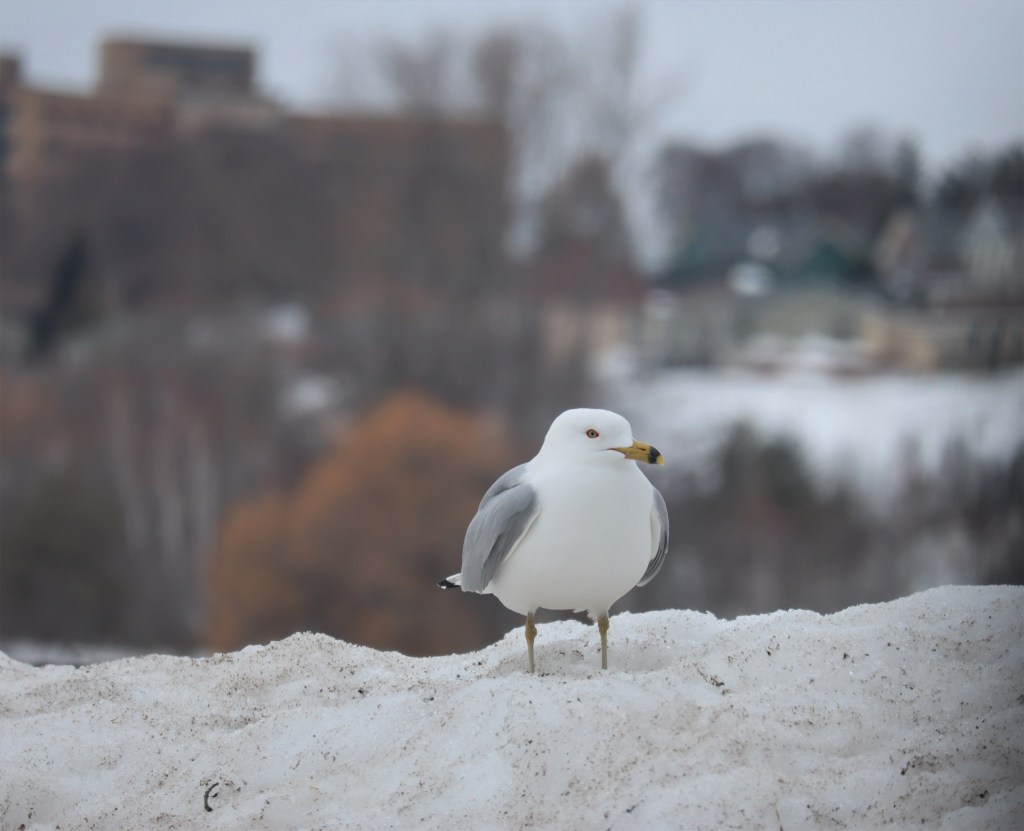
Gull on dirty spring snow, overcast day
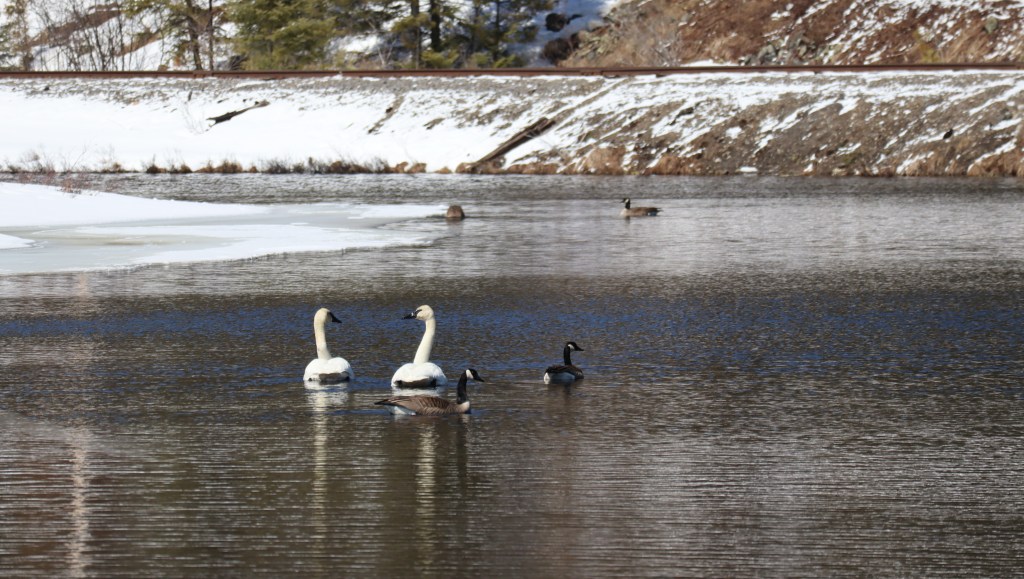
Swan and geese on early spring lake, sunny day

People! None of us are born great, we achieve [largely moderate] success by doing, learning, and doing more. Trust me – I researched and wrote a whole dissertation on this topic!

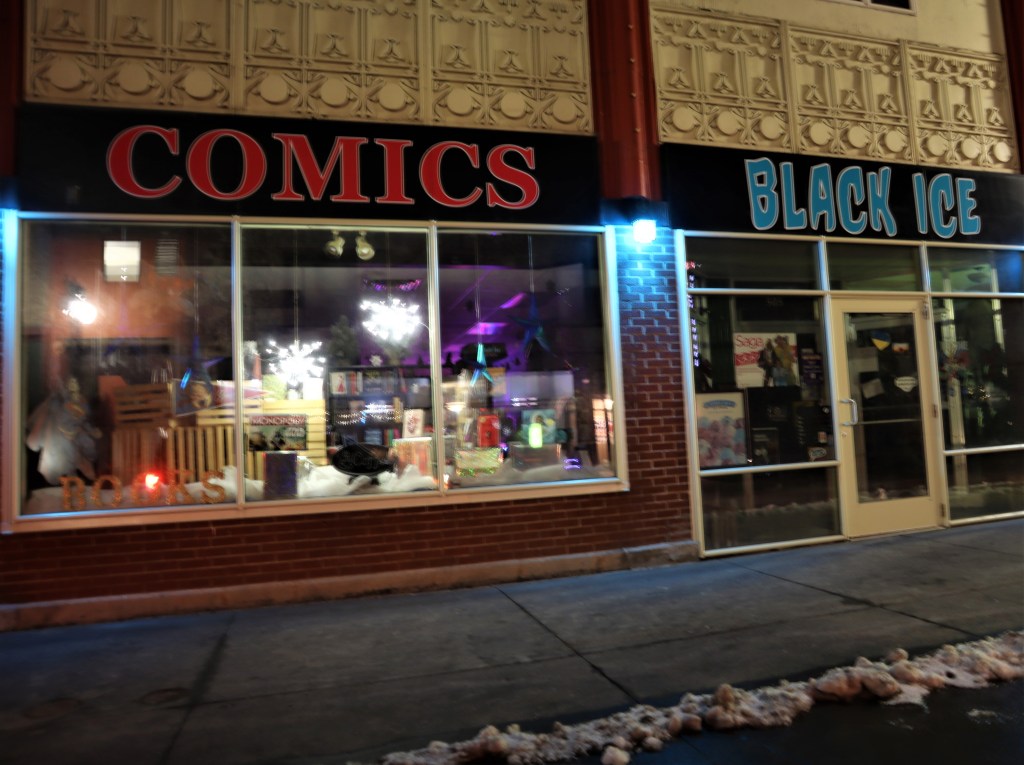
Storefront in low-light, pre-dawn

Recently I treated myself to a new camera. I hadn’t been doing much photography lately because of frustrations with my old camera; we’ve been together for decades and though we’re not divorcing, we did agree it was time to bring someone new into the relationship.

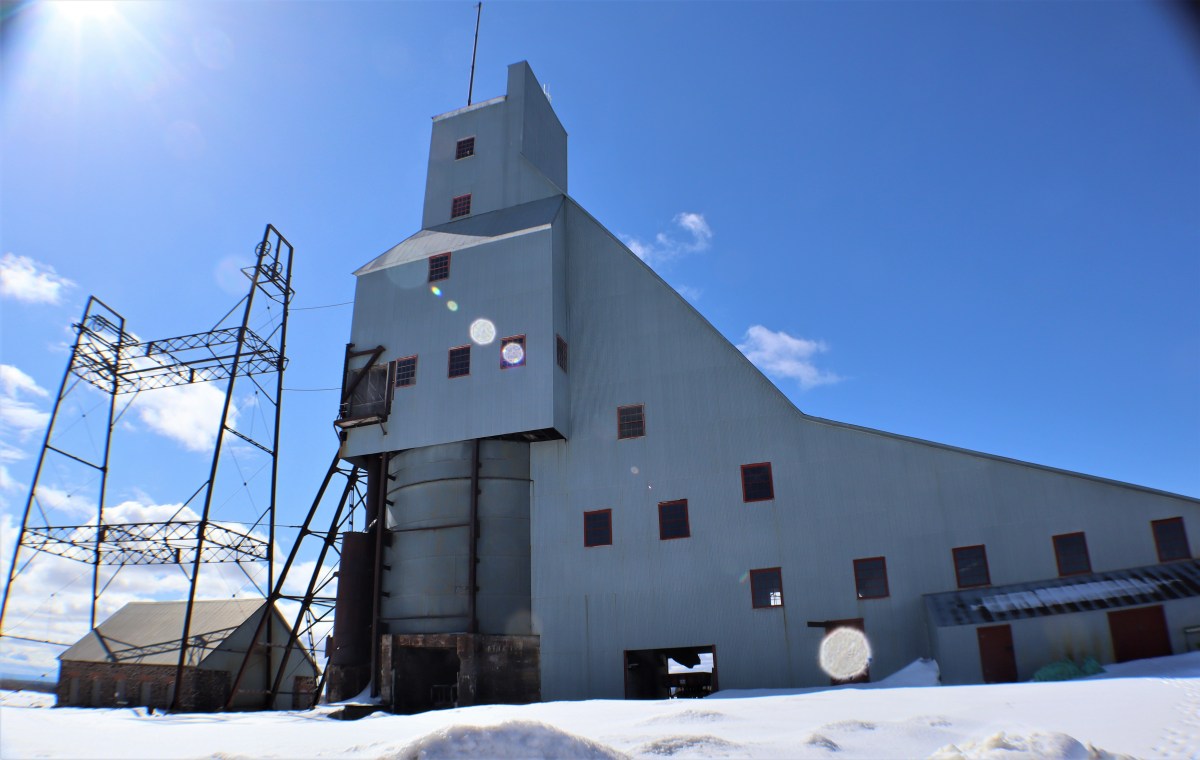
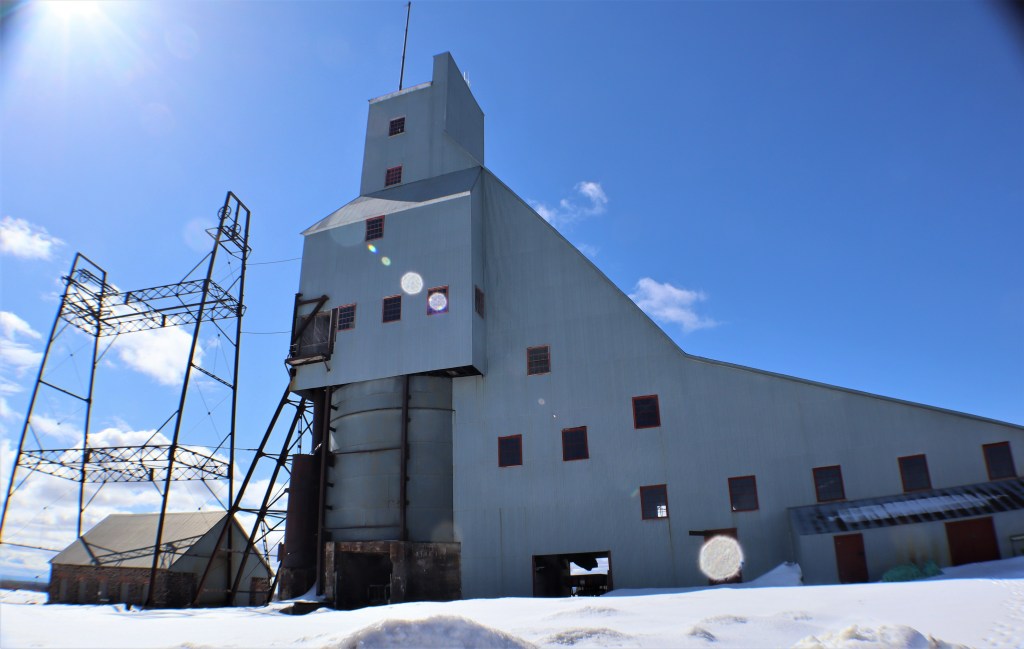
Quincy Mine lift, Hancock MI,
bright sun reflecting on snow

This new camera is mirrorless [internal element that reduces weight] and I’m in love again. But there’s a steep learning curve for new equipment with vastly different functions. In order to learn, I have to go out and take a lot of very average or trashy photos. Each picture teaches me something and rather than frustration, I feel happiness that there are so many things I’m still capable of learning. Or at least experiencing.

Low light bridge photo;
needed a tripod and didn’t have one with me

Embrace new opportunities! Admittedly, I’m the last person to suggest we should always be embracing the new. I need routine. I’m clinically OCD, and even with medication, my need for order is at best managed. I get my brain to accept challenges by considering them educational opportunities. Undoubtedly you’ll need to find your own way to embrace the new, the less than perfect, the practice sessions that are necessary to get better at any endeavor.

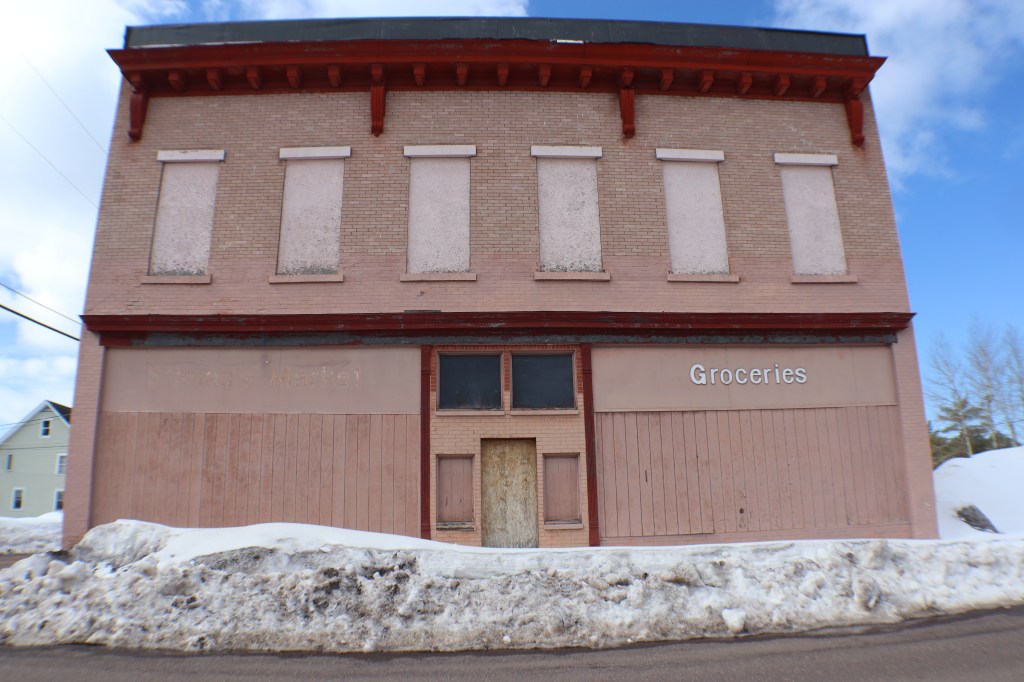
Brick Building; mixed clouds and sun

None of us, however, can get really good at anything – writing, photography, teaching, dog training etc., without first being really average, maybe even mediocre. It isn’t where you start out that’s going to decide things, it is how much time and practice you’re willing to put in. Stick-to-it-ness accomplishes as much or more than raw talent and I’ve been around long enough to see that play out from the art community to academics and industry.

Succulent plant
Same succulent, different lens setting

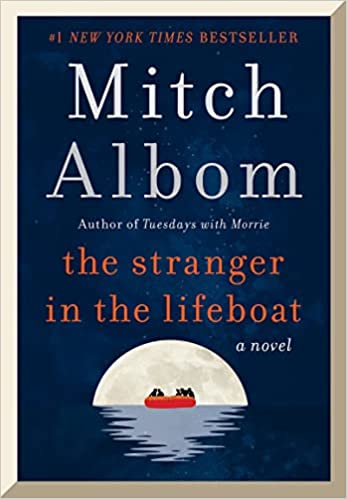
The Stranger in the Lifeboat

My Best Read in a month. (Attempt to avoid spoilers but be forewarned, discussion will include information from book.)

Mitch Albom

I’m not going to lie. I enjoy Mitch Albom’s fiction.

Albom’s work that I’m most familiar with includes considerations of faith: what is belief and what do we really believe in – people, an idea, a standard of behavior/ethical framework that guides us, a specific being, a relationship with that being… What forms faith, what challenges it, what destroys it?

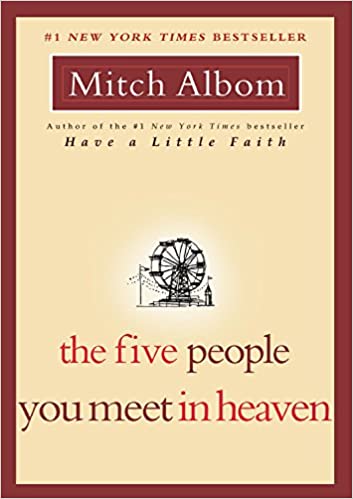
In both this book and The Five People You Meet in Heaven, Albom explores what happens to someone when they lose a close loved one, and this seems to be what he considers the breaking point where most people are likely to ‘lose’ faith.

What then would be necessary for them to reclaim that faith?

In Stranger there were some depictions of God that had me question my own assumptions about faith. It was a strong reminder that my beliefs are personal, individualized by my own experience. It was very interesting also, to see how Albom brought the different threads of his story together by the end. And just like The Five People you Meet in Heaven, I’ll be thinking about The Stranger in the Lifeboat for some time, recommending it to people who want a fairly quick but thoughtful read.

Who are the Writers in your Neighborhood?

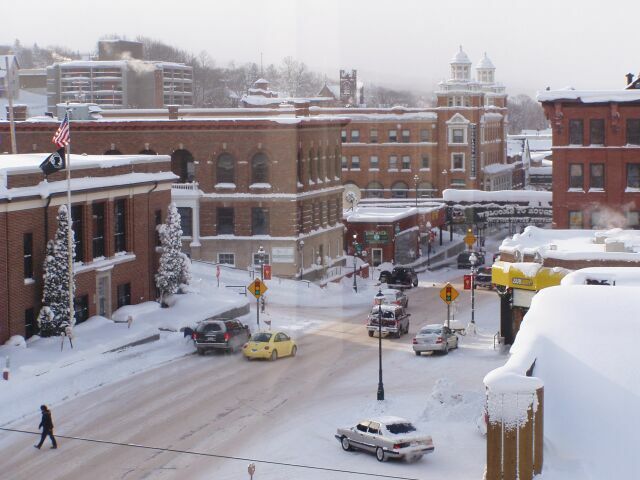
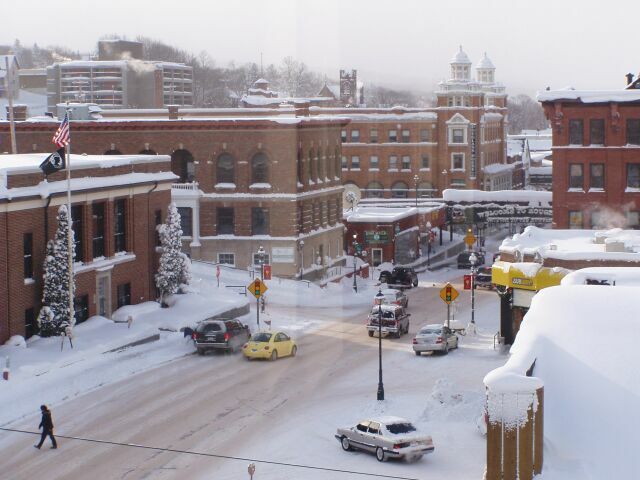
Houghton, MI – my physical neighborhood

neigh·bor·hood/ˈnābərˌho͝od/ the area surrounding a particular place, person, or object.

Today I am thinking of neighborhood more like community; we tend to think of neighborhood as a physical place, and community as a group. With more of us spending so much time online while also being isolated from many of our physical neighbors, I think neighborhood has to become closer to community – possibly found online – just for the sake of our mental health.

At least I’m going to imagine it as such for the time being.

My writing neighborhood began when I was working on my MFA in writing.

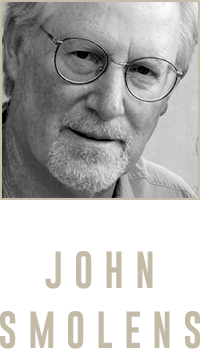
The head of my writing program was John Smolens. When I was studying with John he had started a multi-book deal with Pegasus.

http://www.johnsmolens.com/books.html

John of course had writing friends, and he brought some of them to visit us, so that this small, somewhat isolated Michigan university became a literary hotbed for a while.

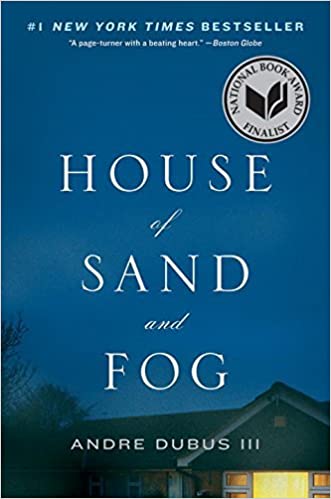
There was the son of his dear friend, Andre Dubus, who John affectionately called Little Andre. At that time, Andre had been featured on the Oprah show for his novel The House of Sand and Fog.

https://andredubus.com/

There was fellow Michigan writer Mitch Albom, who had recently released The Five People You Meet in Heaven.

https://www.mitchalbom.com/about/

Then there were the distinguished women.

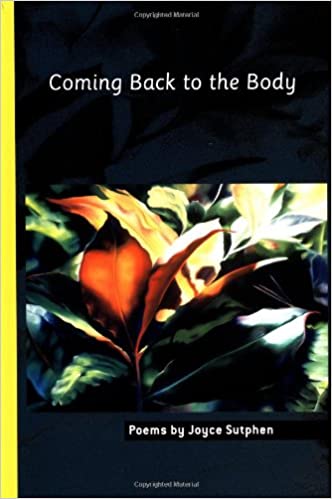
Joyce Sutphen, poet laureate of Minnesota. She had recently released Coming Back to the Body, a deceptive book – thin and unimposing, but sweet, powerful, and aching moments all crowded the pages.

http://www.joycesutphen.com/

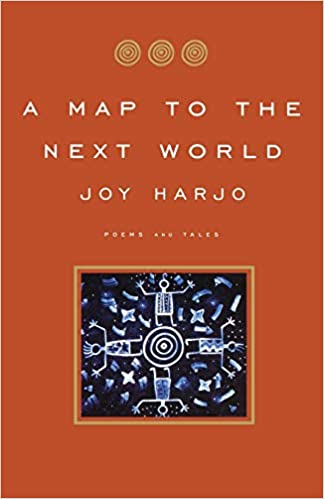
Joy Harjo, who I was so in awe of. At the time A Map to the Next World had recently been released and I felt like a little kid asking her to sign my copy.

https://www.joyharjo.com/

Jim Harrison stopped in and told us about his experience filming Legends of the Fall. He said Hollywood would pay well to screw you over. He recommended taking the money.

Neighbors, or just Community?

I follow several women writers who I feel are either neighbors or are neighbor adjacent. We belong to shared book clubs and I’ve chosen to support their independent bookstores. Okay, not really neighbors but potential writing acquaintances.

Jenny Lawson, aka The Bloggess. I started following Jenny’s blog way back. Her first book, Let’s Pretend This Never Happened made me laugh-pee and almost cry. Her current book, Broken in the Best Possible Way; read near a restroom because you will laugh that hard, but have tissue because you’ll also cry.

https://www.facebook.com/jennythebloggess

Jenny’s Nowhere Bookshop is home to the Fantastic Strangling Book of The Month Club, with an array of books picked by Jenny, and discussed online through writing. Because this is a book club for people who may not be comfortable speaking to strangers.

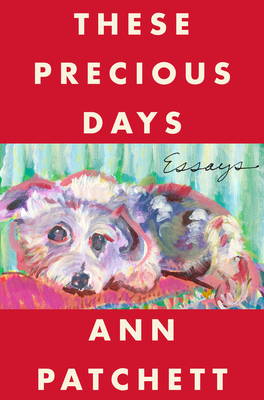
My other virtual book club is Ann Patchett’s, headquartered in her independent Parnassus Books. In January 2022 we’re reading Ann’s book, These Precious Days. This book club has signed first editions, interviews with writers, and virtual discussion groups.

https://www.parnassusbooks.net/

Neighbors from the old Neighborhood

I have other writers in my neighborhood. Some are better known than others. My friend Marty Achatz was in the same writing program I was in with John Smolens. Marty has been Poet Laureate of the Upper Peninsula of Michigan, twice, has a book of poems, and has been blogging for about 12 years. Marty is a gifted writer and performer and he deserves a bigger stage.

http://saintmarty-marty.blogspot.com/

Then there’s my friend from grad school (PhD) who has worked her a** off to get the success she has. So much talent, so much pain survived. Roxane Gay is an amazing human and I feel blessed to have spent time with her before the world discovered how incredible she is. I imagine it might have felt similar to have been one of the early listeners to the Beatles, before they’d left the neighborhood, but you just knew they were going to change the scene. Roxane is changing the scene. (And she has a book club!)

https://literati.com/book-clubs/roxane-gay/

Finally, I am developing entirely new writing neighborhoods through a craft writing group I belong to P2P (Pitch to Published), and a genre writing association, Sisters in Crime.

We are all surrounded by writing neighborhoods and can choose to join communities of folx who share our interests. If you are a writer, you should be a reader, a supporter of your fellow writers. I challenge you to pause for a few minutes and think, who are some of the great writers you already know? Who can you tune into (writers are enjoying podcasting), who can you welcome to your neighborhood?