
Are you Joining your Guilds?

There is protection in a group of fellow writers.

Glazier’s Guild Sign, Germany (wiki)

Remember in the olden days when groups of crafts people or business people would form guilds for mutual support, safeguarding their way of life, and keeping an eye on what other people in the business were doing?

Actually, we still do that. Most countries, for example, still have a bread baker’s guild. Then there are trade unions which perform a similar role of organizing and trying to ensure fair wages, and for writers there are professional organizations, or writer’s societies.
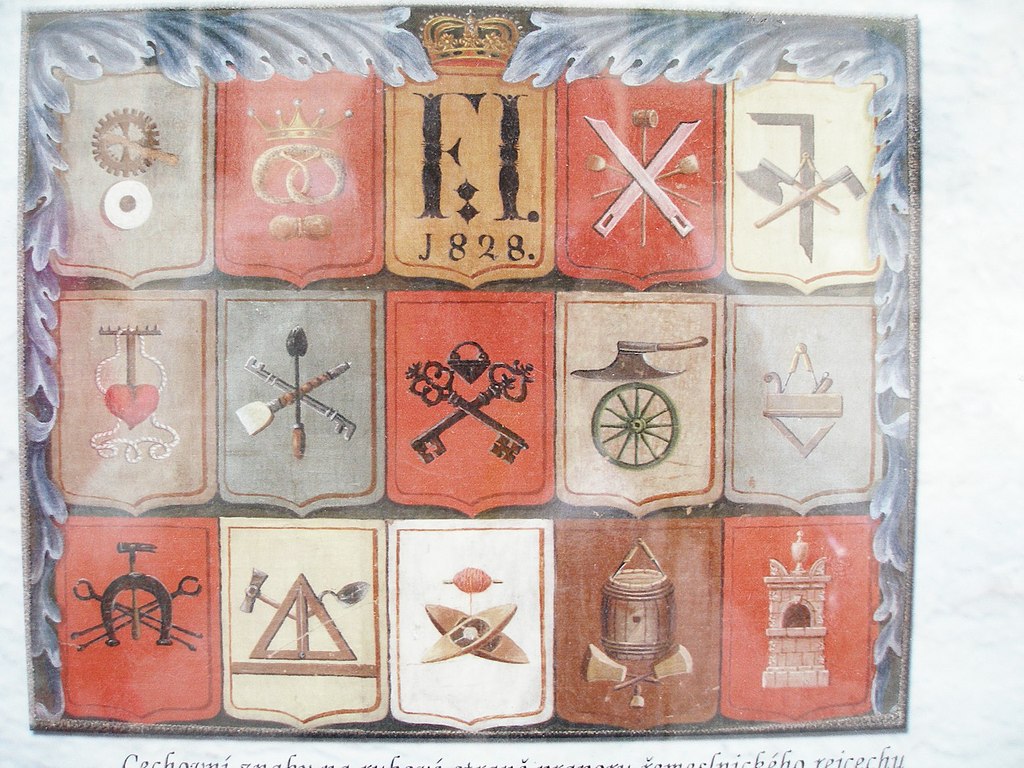
Guild Coats of Arms from Czech Republic (Wiki)

There’s a professional writing organization that has been formed around each genre of writing currently commercially viable. I myself am a member of several writer’s groups.

Sisters in Crime, (particularly but not exclusively for women) writers of mystery/crime.

I’ve also joined The Society of Children’s Book Writers and Illustrators, which includes writers of board and picture books, middle grade, and young adult.

If you write romance, then you’ll want to join the Romance Writers of…(America where I am, but other countries may have their own version.)

Science Fiction and Fantasy Writers Association has this nifty logo:

There’s also the Writers Guild of America East, and West, which represent screen writers and is still known collectively as The Writer’s Guild.

Technical writers have their own associations, which vary by the nation you live in, and sometimes by industry.
Why Join a Writing Association?

Aside from the comradery and opportunity to talk with people working in the same genre/industry you’re working in there are a number of very practical reasons to belong:
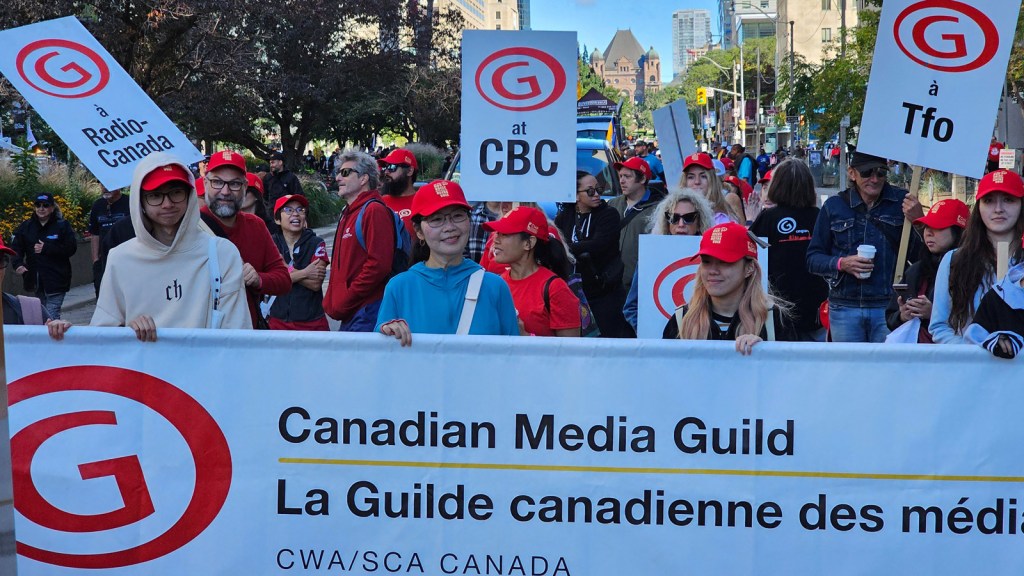
Educational opportunities including conferences and workshops

Funding for writing fellowships

Ability to enter association run contests for writing

Access to legal consult

Access to standard contracts

Support if you’re in a context of being sued or suing

More immediate knowledge of class action lawsuits around writing that might impact you
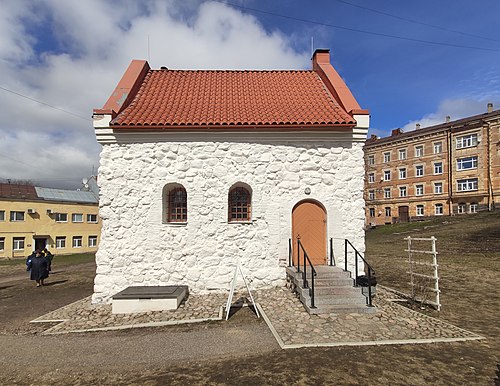
Medieval Merchant Guild House, Russia (wiki)

I think we’re all being reminded more often that we cannot take for granted that others will respect our work or pay us a fair wage for it. This isn’t a new problem and is at least in part why guilds go back for hundreds of years.

Whether people are taking our work to feed their AI or trying to get our money by convincing us they’re going to provide a service that isn’t real, the more we talk to each other and share information, the more we protect ourselves.

Stay strong, stay connected.
Writers Zone: Beta Readers . . . considerations, kindnesses, and select realities

I have yet to meet the writer who, having created something and still in the early excitement of ‘this might really be something!’ doesn’t yearn for another set of eyes and another person’s reaction to what is written.

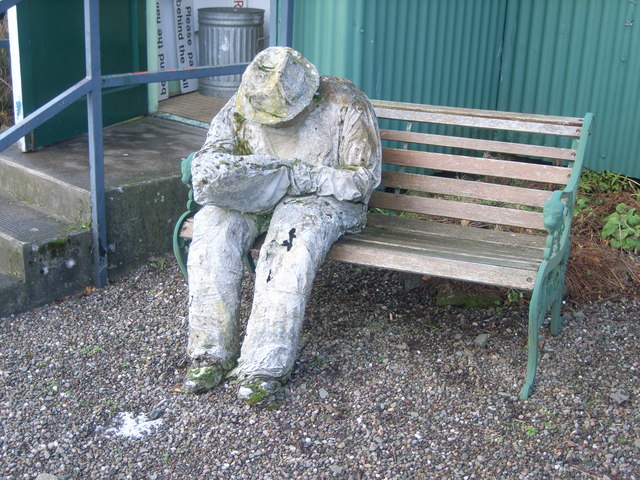
Paper Mache sculpture of person reading a book by Nicholas Mutton is licensed under CC-BY-SA 2.0

In fact, I belong to a range of writers’ groups and there are regularly posts/chats/messages about writers seeking someone to beta read what they’ve written, from an opening page to an entire manuscript. What is on offer from the writer can vary from the first very rough draft of a paragraph, to an entire whopping novel. If you find yourself in this context, let’s think of some questions you ought to ask yourself before seeking those beta readers.

Did I just finish what I wrote?

If the answer is yes, then the beta reader you are looking for is your bff, partner, friendly neighbor, dog walker, member of the congregation you go to religious services with who is interested in writing . . . in other words, early days. You’re not ready to stick that first rough draft in front of readers who you want real opinions from. At this point, you just want affirmation that you haven’t totally puked on a page.

  1. Set it aside and keep writing your work in progress
  2. Go back later and make sure the basics of grammar are there; no one wants to suffer through your unpunctuated, grammar/spelling errors
  3. Yes, being a writer means learning about delayed gratification and this is tough.
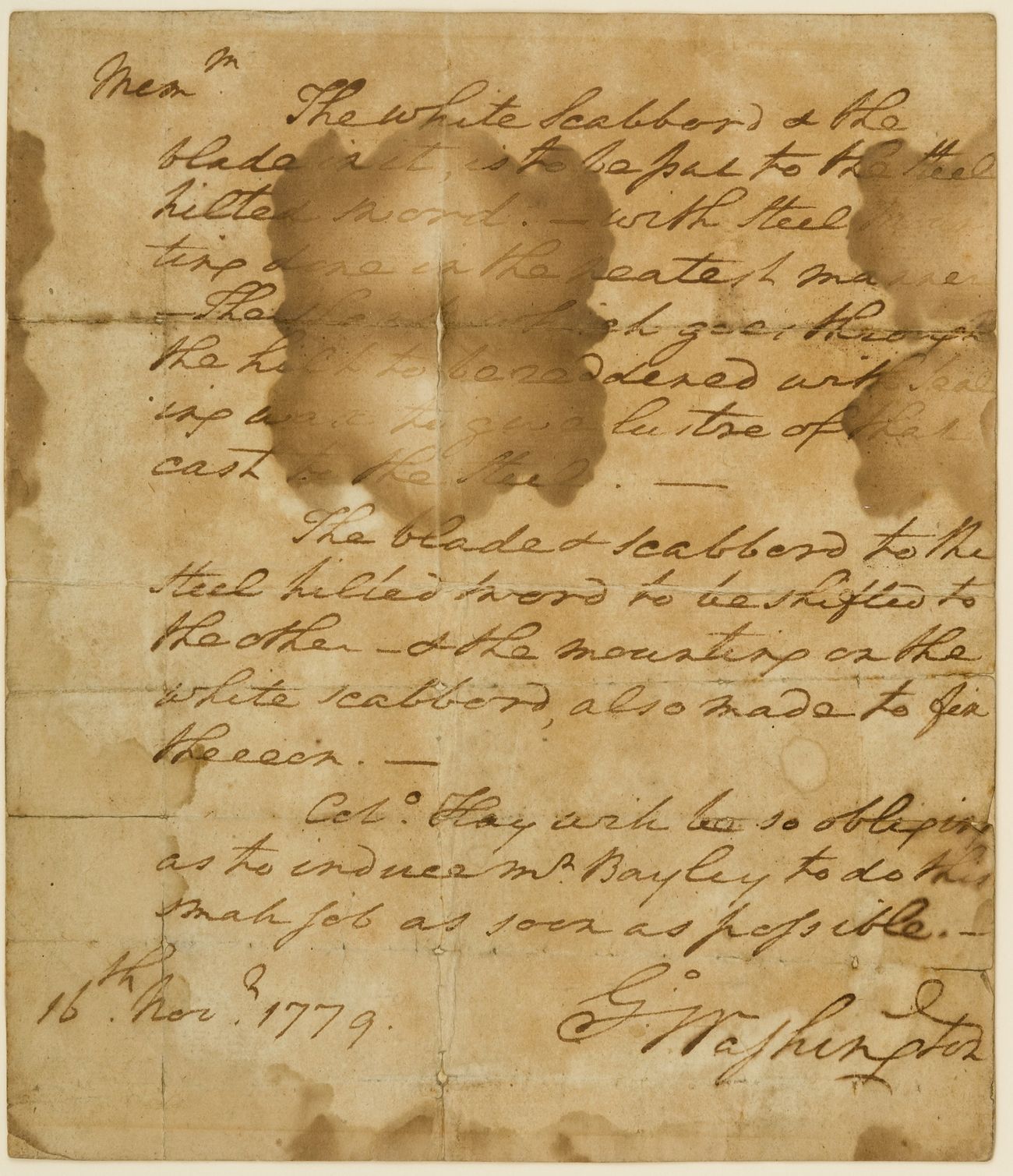
Manuscript Memorandum of George Washington by The Metropolitan Museum of Art is licensed under CC-CC0 1.0

have I completed an entire first draft?

If the answer is yes, then the beta reader you are looking for may well be an editor; that may be a developmental editor, or a line editor who clears up errors you don’t see because we all reach a point where what is in our head and what is on the page can no longer be distinguished by us.

  1. There are a range of hired services available, depending on your needs and budget
  2. If you don’t have money to hire an editor, can you barter services with someone (depending on your skillset this could be a local or online arrangement)
  3. Do you have the skill set to trade editing with another writer; if not, then you ought to save up and hire an editor. Beta readers can’t give you an honest opinion about your writing if they’re constantly tripping over errors.

Has my manuscript been through an initial edit?

If the answer is yes, then you are ready to seek real beta readers, e.g. readers who know the conventions of the genre you have written in, or who have enough of a writing background to judge if your conflict, characters, and plot are doing their job.

  1. Join writing groups and offer to trade manuscripts with other writers who have equally prepared their manuscript, i.e. they have a full draft with at least an initial edit
  2. If you can afford it, join a paid writing group like P2P where every month you have the opportunity to workshop the first 5 pages of your manuscript with other serious, experienced writers; you then develop connections and can potentially trade manuscripts or even find generous volunteer readers
  3. Return the favor to other writers by volunteer reading (even if they aren’t the same people reading your manuscript, but they are a member of the same writers’ group – you need to develop the ethos of a writer who contributes to the community)

clarify what you’re seeking before handing off your book

Beta readers sometimes think they are being helpful if they start marking up your manuscript to point out the errors they have found. Initially though, what you are seeking as a writer are ‘big picture’ remarks.

  1. Ask that beta readers focus on the story – is it clear, do they want to keep reading, if they find plot points where they just feel bumped out of the story (for any reason) can they just make a mark to indicate where and try and keep reading
  2. If they find a point that is so disruptive that they can’t keep reading, ask them to indicate it and explain what they find a problem
  3. This one is the hardest: be honest with them and yourselves, if they are finding so many errors that they can’t help but mark them, ask them to just stop after the first chapter and send you that feedback (you either have a manuscript that still needs developmental work, or you have asked an editor to be a beta reader and it isn’t the same job.)
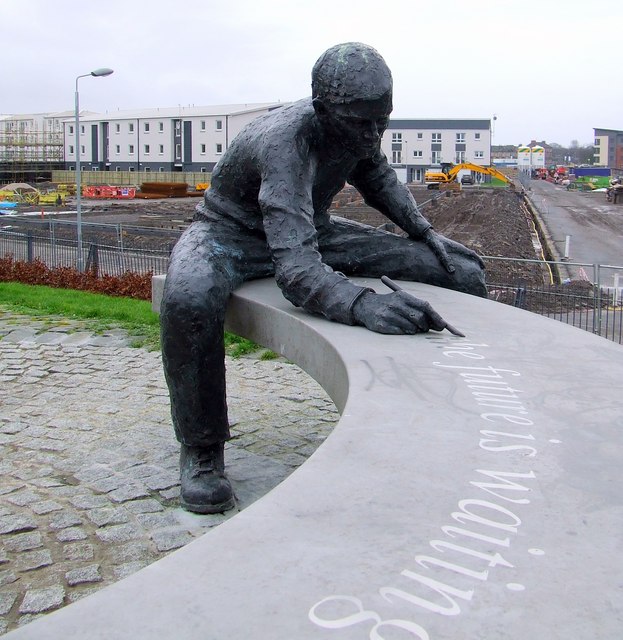
Writer in the park by Thomas Nugent is licensed under CC-BY-SA 2.0

writing is hard, painful, lonely, and occasionally exhilarating

The hard work involved in writing for publication sucks, in a lot of ways. If you are the sort of person who needs instant gratification that comes in the form of a stranger telling you how clever you or your work are, then writing is likely not for you. It takes so much work and time to get to the point where your work is ready for someone, somewhere to love it (who isn’t your partner, neighbor, dog walker . . ..) Pacing and patience are key. Writing groups can help, if you want to spend time with others who understand and share your unique brand of pain/challenge/reward.

Think twice, however, before asking for beta readers. You will create a reputation for yourself in your writing community. It can be as a writer who shows respect for beta readers by handing them a clean and ready manuscript. Or not.