Learned the Hard Way vs. Failure: clear line or point of view?

Writing and axolotl keeping may have something in common.

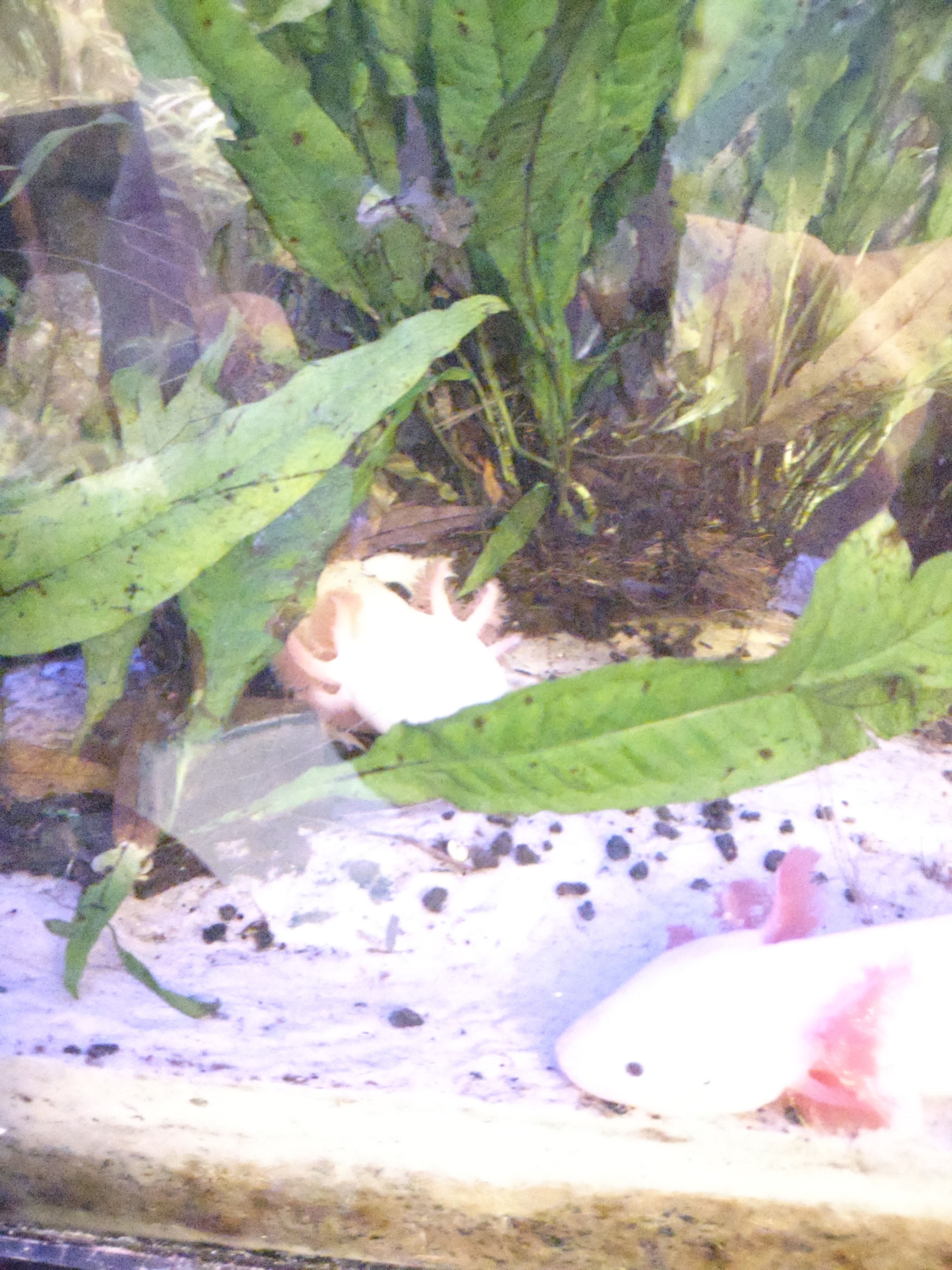
A pair of axolotls

Sometimes we learn lessons we don’t want to learn. The example I’m using to demonstrate this is my experience of the past year + keeping axolotls.
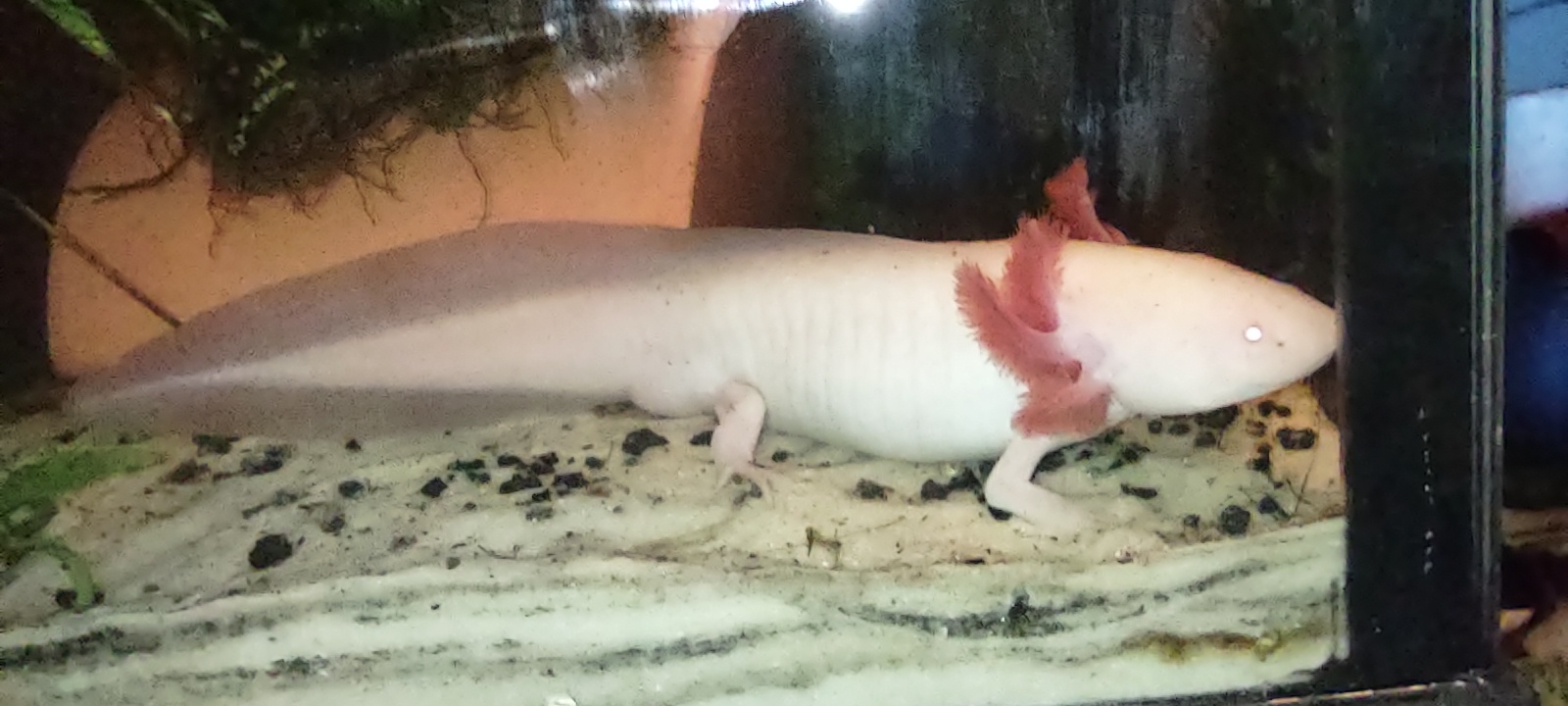
Axolotls, also known as Mexican swimming salamanders, are aquatic and spend their lives in cool water – ideally 60 – 65 Fahrenheit. They eat worms and/or pellets, they are rather low intellect, with poor vision. They’re also dwerps, e.g. they will suddenly zoom around their tank or float at odd angles, or play in their bubblers. Some of us find them very appealing because of their looks and their enduring behavior.

One of life’s ironies is that some axolotls will survive horrible neglect: poor water quality, underfed, ignored. Others, seem to be doomed. They look good, receive good care, and they die. While water quality is vital to their good health, some survive water so bad it causes them to start peeling their ‘slime coat’ and others can look beautiful but become unalive.
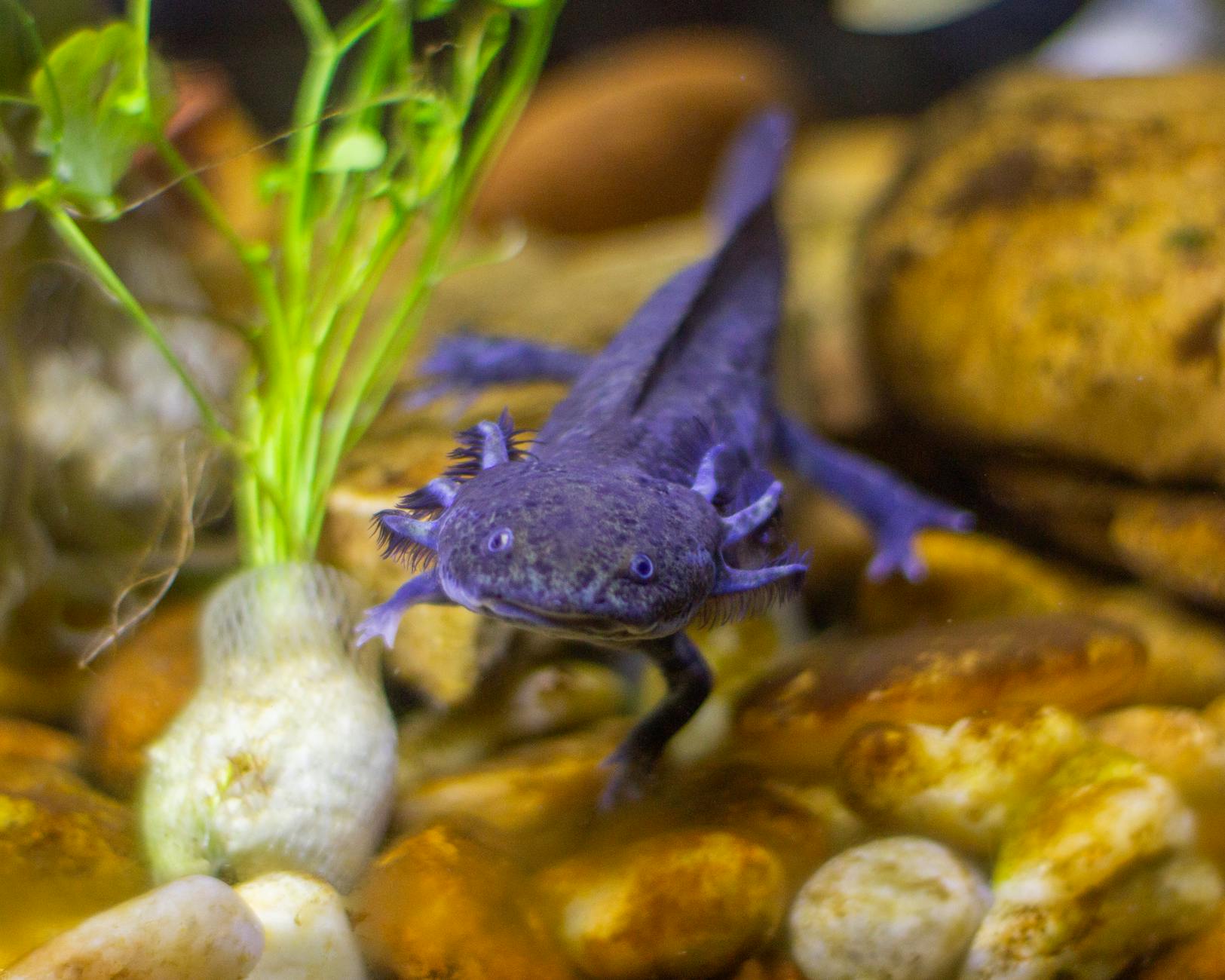
Photo by Raphael Brasileiro on Pexels.com

Writing vs. Keeping Axolotls

Some of us work hard at our writing. We do the right things: attend workshops/classes, learn to improve our craft, study the market, read the comps, craft our query letters, use beta readers, adjust when our first queries don’t go well. We study, write, and rewrite. And still – we can’t seem to be in the right place at the right time.

Some of us who keep axolotls do all the right things and our lotls still cease to exist.

As a writer or an axolotl keeper, what do you do when things aren’t working out?

Options

Of course, one can always stop what we are doing. Which isn’t necessarily a bad thing. In fact, I think two of the things we learn from trying with little or no success is:

a) how passionate are we really about this craft, hobby, activity, life-plan

b) are we pursuing this for ourselves or others; are we still finding a sense of purpose in our pursuit?

Sometimes people frame trying something and not having great success with it as a failure. I tend to disagree. If you wish to be a good person but you spend all your time physically harming others, then you’re a failure. If you want to try writing and after several years or longer you aren’t enjoying it anymore, or need a break, you haven’t failed. You’ve learned a lot, improved your writing, read things you otherwise wouldn’t have and are emotionally and psychologically richer for the experiences. Time spent creating doesn’t seem to ever be a failure to me.
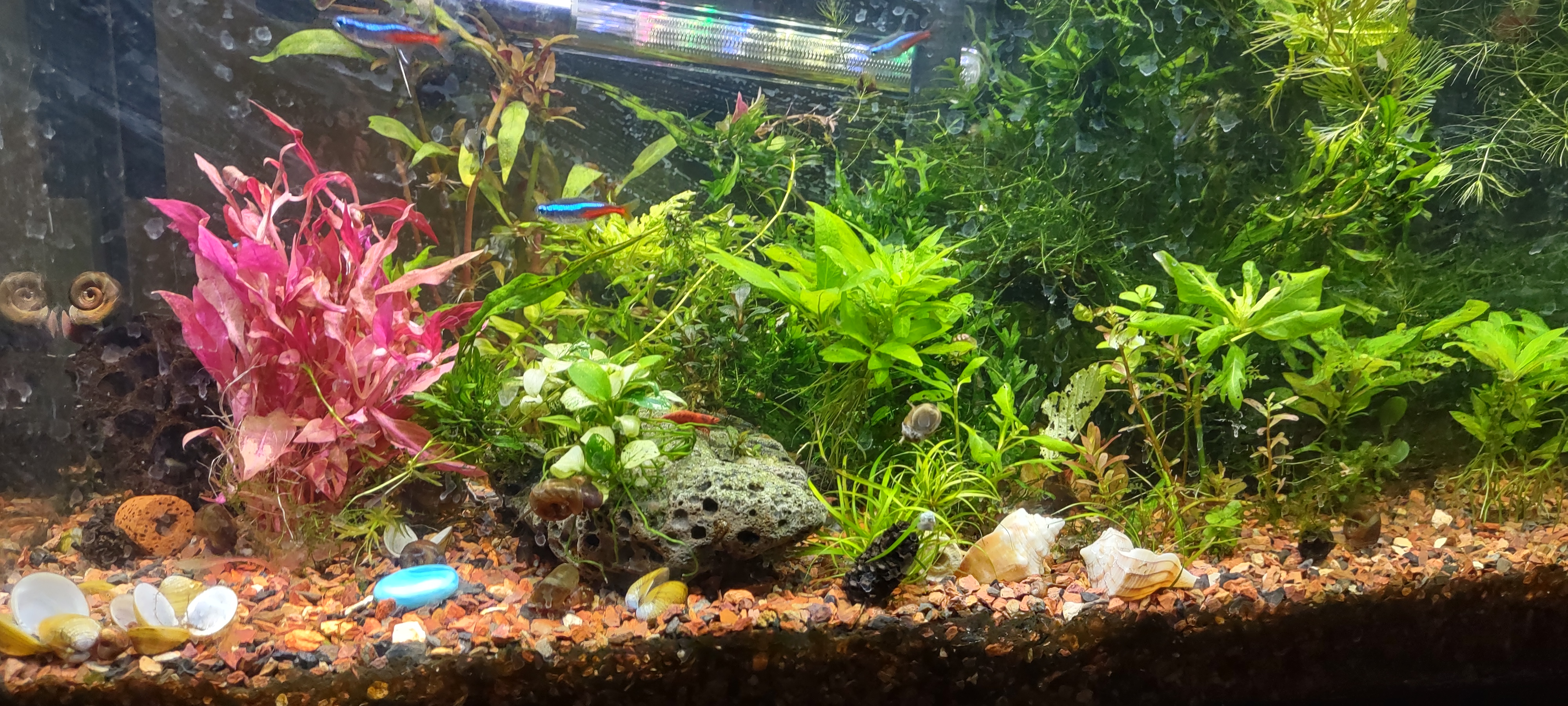
As for keeping axolotls…after some heartbreaking experiences over the last year I’ve realized that there is something in my very hard water in this region full of former copper mines that is not agreeable to axolotl life. Something that doesn’t show up in the little store test kits but that probably also contributes to the high cancer rates among people. So I’m going to quit unaliving these adorable dwerps and stick with my freshwater fish.

I am choosing to keep writing but to stop axolotl keeping. My writing is an outgrowth of my need to create and tell stories. Axolotl keeping was an extension of my enjoyment of fresh water aquariums. My fish are thriving, so I will continue with them; I will miss but no longer harbor lotls.

Sometimes it isn’t our writing, but what we’re writing that isn’t suited for the time and place. I’m running 6 home aquariums and 2 in my office and all are healthy. This isn’t the time and place for me and axolotls.

If writing sales matter to you, you may want to consider the popularity of the genre you’re currently working in. It may be that the type of story you’re writing isn’t as popular in the current market. I’m not suggesting you need to chase the market but that you ought to be aware that some genres or certain tropes within a genre may not be popular at the moment.

In writing as in aquarium keeping, sometimes it isn’t about what you most want but about what you are best able to do.

Good Old Fashioned Rejection

Be brave, be persistent, keep working.

Photo by Poppy Thomas Hill on Pexels.com

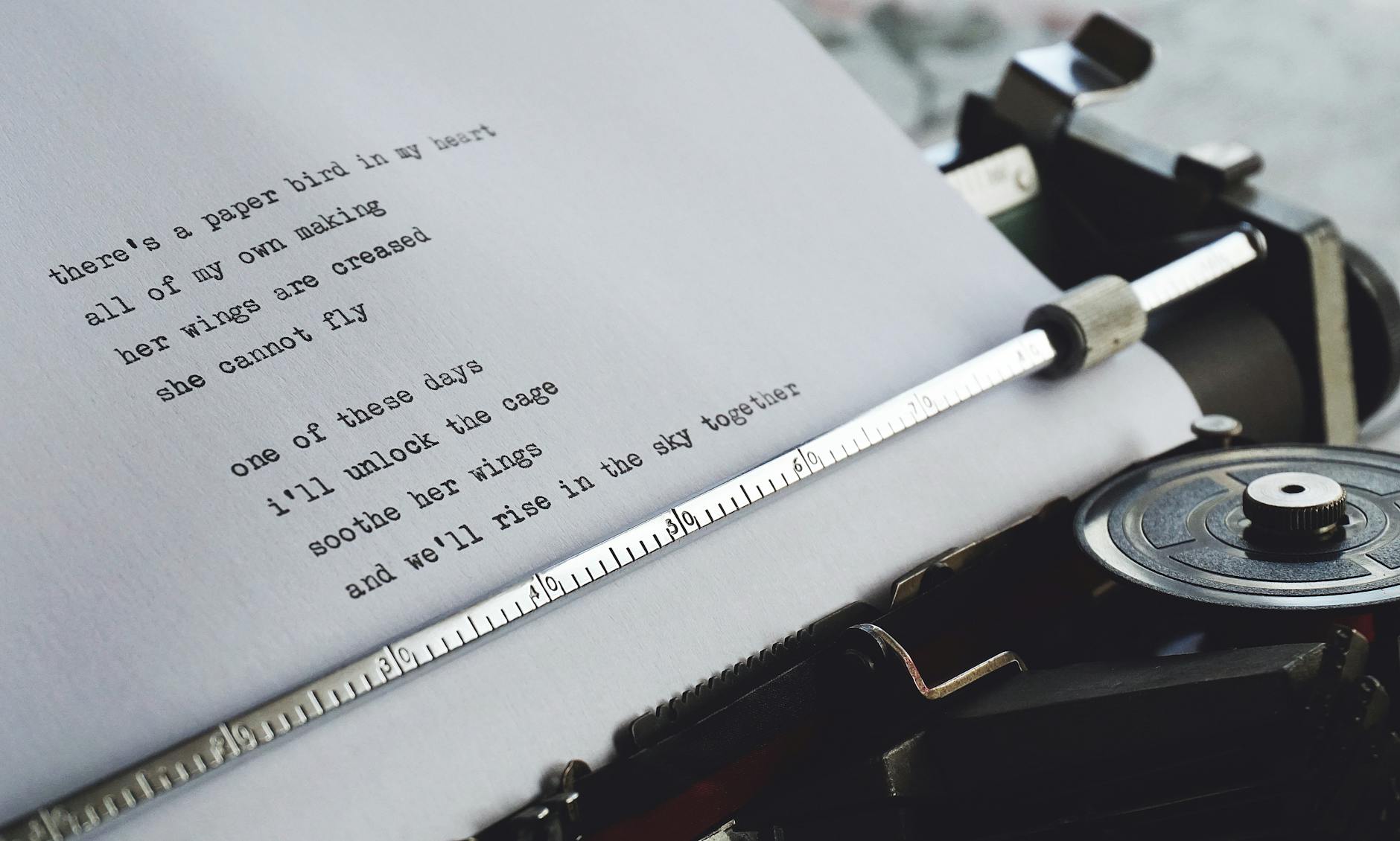
I’m old enough to remember a time when manuscripts were actually typed out on electronic typewriters. It took a week or more for one’s mailed manuscript to reach the physical ‘slush pile’ of an editor or agent, where it would wait for months to be read. Statistically, the thing most likely to happen next – if one had included a SASE (self addressed stamped envelope) would be a rejection letter, that spent a week or more making it’s way back to the writer.

It was a right of passage back then to attach the rejection letters to one’s walls, until one could basically paper a room with the palpable lack-of-want one’s writing was experiencing. So many of we creative types are already prone to self-doubt, morose thought patterns and moods, it is little wonder that so many have ended up self-medicating.

These days submitting is done online. Electronic files sent often through a platform like QueryTracker, where one answers questions about their genre, word count, comparable books, publishing history, biography, and tag line. Technically, this makes the still statistically likely rejection quicker. Recently I submitted and received a polite, ‘hell no’ within the same week. That’s impressive.

Here’s the funny thing about this process. We, as writers, know that the polite decline of our work is the most likely outcome of every interaction where we submit. We know it’s coming and yet, each rejection still feels a little bit like a soft sting. One more person who takes a quick pass on the manuscript you have labored over.

Photo by Ron Lach on Pexels.com

It’s all logical of course. Agents and editors are overworked, have limited resources, and can only take on projects they can passionately defend and promote. They also have to be able to reasonably expect sales of the final product. On their end they are looking for that needle in a haystack: the work that really excites them, and has a potential market, and has a high enough potential for sales to make everything invested in getting that product to market worth everyone’s time and effort. If they don’t love the work and immediately have an idea of how to market it, it has to be a no.

Note: this is a multi- part consideration. 1) do I love it, 2) how can I sell it, 3) can I sell enough of it to make my company a profit (has something too similar already been published) ?

Photo by Andrei L on Pexels.com

Writers tend to focus on the first part of that when we’re rejected; omg, they didn’t love it. But it’s just as possible that they don’t readily see a way to market your work, or that they’re already marketing something similar, or that while they think the finished book might sell, they aren’t sure it will sell enough to make it profitable.

If one takes the time to submit their work to an agent or publisher, one is hoping for publication. Reaching that point though, can be a really long, hard road. Perseverance is key. Remember, the difference between most unpublished and published authors is that the published author sent out another submission after their last rejection.

Perhaps one day we’ll talk about when to consider that rejection may be trying to tell you something about a need for revision of either your submission package or the manuscript itself.

Photo by Esma Atak on Pexels.com

Steps on the Query Road

Photo by Kaique Rocha on Pexels.com

You’ve written your book – congratulations, that’s a huge achievement!

After all that effort put into writing, you then:

Worked with an editor and did revisions

Worked with some beta readers and did revisions

Have researched other books in your genre.

You’re almost ready to hit the query road!

You are now going to need to write some query letters and in order to do that, you need to research what book agents are looking for. Two good places to start with that are:

Manuscript Wish List: free to use

Publishers Marketplace: https://www.publishersmarketplace.com/: subscription required, with a more limited ‘quick pass’ available for short-term research.

You need to be prepared to compare your book to already published books in the genre, e.g. what books would your manuscript sit on a shelf with in a book store? Do yourself a solid and have a very clear idea of what your genre is and what comparable books have been published in the last several years. How is your book similar to these recent books and what makes it different? An agent will want to know this, just as a publisher will want to.

Photo by Suzy Hazelwood on Pexels.com

The query process is part creative, part business, and all of it needs to be handled professionally. Set up a spreadsheet to track who you’ve sent your query to, when you sent it, when you can expect to hear back, and the response when you do hear back.

If you hear back from an agent, they will almost always be saying thank you, but no. It can be tough to hear so many people ‘pass’ on the manuscript you’ve spent so much time on – a little like having someone look at your child and say, “I hope that’s not the only one you had – but either way, I’m sure someone else will like it.”

These are the preliminary steps to preparing a query.

More on the process and letter itself to follow.

To Rember, When Book Writing and Seeking Publication

The more writing and querying you do, the better you ought to get at doing what you’re doing. Sometimes the first written novel will not find an agent, but as a writer, you should also be working on your next book even while you are querying the first.

Photo by Ron Lach on Pexels.com

Practice Writing, Revise, Repeat

I’ve been writing a loooong time. When I was in high school, I was thrilled to be gifted an electronic typewriter with built-in correction tape [to be clear – this was state-of-the-art at the time]. By the time I was a senior, Dad, who was an early tech adopter, purchased our first family computer. I could not get him to understand how that didn’t help me as a writer unless he actually bought a printer. This was decades before publishers were taking electronic submissions, and with dial-up modems, it would have taken over a day to send a manuscript electronically and with the amount of electronic screaming the phone lines provided, no one would have put up with that for longer than it took to send a fax.

Photo by Pixabay on Pexels.com

I mention this because newer writers sometimes ignore the foundational part of becoming a writer – practice writing. Lots, and lots, and lots of writing, revising, and reading, and learning, and practicing. I’m published now, but that took over two decades, three strokes and recovery from them, and time off for graduate degrees.

Malcolm Gladwell has posited that one requires 10,000 hours of practice to become established at something; this may not be true for everyone but when it comes to writing, there’s a lot to be said for practice, revision, and more writing.

It also helps to come to terms with the realization that some ideas are good without being novel-worthy and some characters are engaging but don’t have a story that’s compelling enough to earn readers.

  1. Just because you’ve written something good doesn’t mean it’s good enough to find a traditional publisher.
  2. Just because it’s good enough, doesn’t mean it will find a traditional publisher.
  3. Your journey to becoming published requires as much persistence, research, and work as it does creative talent.
Photo by Dziana Hasanbekava on Pexels.com

Perseverance and research

If your goal is to go the traditional publishing route, then writing the book is arquably only half of the work you have to do. Querying agents and independent publishers who are open to your genre and unagented queries, is hard work. I previously posted on how to write a compelling query letter – which needs to be on point at 300 words.

The first paragraph of your query letter should be changed to suit each individual and company that you send it to.

You may have to revise your letter 50 – 150+ times. Yep, it does get discouraging to get 75 people in a row telling you that while your manuscript is good, it’s just not what they’re looking for at this time.

I found this response on a thread where a new writer was asking people who had submitted, how many rejections they received:

“My first novel I queried -140 rejections, 0 offers. Second novel I queried – 40 rejections, 5 offers. Third novel- 10 rejections, 1 offer.

None of those novels were related, I just got better at timing and hitting the right audience during the hard part of research in the trenches.”

Photo by Poppy Thomas Hill on Pexels.com

First Written Doesn’t Mean First Optioned

The more writing and querying you do, the better you ought to get at doing what you’re doing. Sometimes the first written novel will not find an agent, but as a writer, you should also be working on your next book even while you are querying the first.

Sometimes the second book gets picked up; sometimes it is the third. You can always resubmit your earlier work once you eventually do have a publishing record. People – including Steven King and Ellis Peters – have done variations of this.

The ghostly presence of Sherlock Holmes, 221B Baker Street by Mike Quinn is licensed under CC-BY-SA 2.0

Caveat

Of course, you may also find that like Agatha Christie and Arthur Conan Doyle, once you’re known for a particular genre/character, readers aren’t really interested in your ‘other’ ideas. Writers, like actors, can basically become typecast, e.g. known for a particular genre. Which is a bonus for sales of new work, and a curse if you want to write different kinds of things. Readers cannot be counted on to buy work that is outside the genre they initially loved you for.

Not that any of us early in our careers can really wrap our heads around the idea of resenting readers for loving us too much for a particular story we’ve created. That’s a future-you worry, right?

Photo by cottonbro studio on Pexels.com

Writing a Query Letter

Query letters are business documents.

I’ve seen a few folx posting documents they intend to use as a query letter, only to have other writers point out that what they’ve written is far too long. So I thought I’d post the basic format of a cover/query letter.

Note: we like to think as creatives, our creativity belongs in our cover letter. For agents/publishers, a query letter is a business document and it has very standard expectations, including length and content.

Length: 300 words; 350 is considered too long while 320 is acceptable but wordy.

Yep, that’s not nearly long enough to outline your book. But an outline that covers everything isn’t the work of a query letter, that’s the work of a synopsis. You will increase your odds of getting someone to actually consider the content of your letter, and request pages from you, if you do not confuse the two.

Opening: Be intelligent. Pay attention to a person’s preferred pronouns (check their Twitter profile, then their web page), e.g. Dear Mx., Ms., Mr. . . . do not be overly friendly, be professional. You are writing an appeal to gain something, you are not hiring a service. [You may think your work will make the person money one day, but they have no reason to believe this yet; in the beginning, you’re no better than a phone solicitor trying to sell them something while they’re trying to get something else done.]

Photo by Suzy Hazelwood on Pexels.com

Paragraph 1: a) Why this agent/publisher and b) what are you offering?

a) It is best if you can point to a work they have recently (no more than 3 years) printed or represented, that is in the same genre that you are offering and has another commonality, like a similar theme to your book.

b) Title, genre, word length of your work. If this is your first traditionally published book, let them know it is a debut, as that means you have ‘potential’. If you’ve self-published a previous book, don’t mention it unless you can add that you sold thousands of copies.

Dear Ms. Smith,

When I learned you represented Betsy Bop’s The Dinosaur Wrangler, I thought you might be interested in DINOSAURS IN THE VILLAGE, 69,000 words. This is my debut MG novel.

Paragraph 2: Conflict/motivation – what is the main conflict your point of view character has to face, and why do they care about resolution (and therefore, why should the reader care?) Yes – include an example of motivating forces, NO – do not try and tell the whole story.

When 11 yr. old Glory discovers her little brother is keeping a baby dino in the pocket of his wheelchair, she knows she must hide it before he is found out and banished from the village. Then Wizard Skizims discovers Glory and her brother with the dino, sneaking out at night to free the baby’s caged daddy, and Glory’s fears are realized. Now Glory has 13 days to return the dino to his mother, who plans to trample the village with her tribe, retribution for trapping the baby dino’s daddy. Can Glory save them all or will Skizims’ prejudice lead to their destruction?

Paragraph 3: Comps/placement – a) if an agent/publisher went into a bookstore looking for your book, what other books would they find on the shelf alongside it (this is marketing info. It is vitally important. If your book has no comps, then you are unlikely to get anyone to handle/publish it.)

You can also do a ‘meets’ example, e.g. if I took these two things and put them together, their child would be my book ( Title X Title). In the ‘meet’ example you can use TV/movies as well as books, you’re trying to connect your book with popular culture ideas that the person you send the query to would be familiar with, and that provides accurate insight to your tone/theme.

b) any qualifications you have to write on the topic, and any other writing credentials you have.

DINOSAURS would be found between The Dinosaur Wrangler and The Dinos of Warp Land, think Dora the Explorer X Lord of the Rings. This stand-alone book also has series potential. I am a sixth-grade teacher with a specialization in paleontology; my students’ love of dinos inspired this book.

Thank you for your consideration,

(188 word cover letter).

This letter does all the work a letter needs to do; yes, I did use a simple example, with one POV character. Some writers have a plethora of characters they switch between. The more complicated your book is to crystalize into a query letter, the more likely you’ll encounter trouble getting someone to look at it. Plenty of writers end up putting their first book aside and querying their second or even third book. Once you have an agent or publisher, you can revisit your more complicated works, because you already have a foot in the door.

Remember, an agent/publisher knows the kind of work they’re currently interested in. They need fairly bare-bone facts to know if they are interested in requesting/reading your pages. Once they read your pages, they’ll know if the book meets their needs. Pitch the idea and genre first, then let your writing sell the book.

Photo by cottonbro studio on Pexels.com