Are you Joining your Guilds?

There is protection in a group of fellow writers.

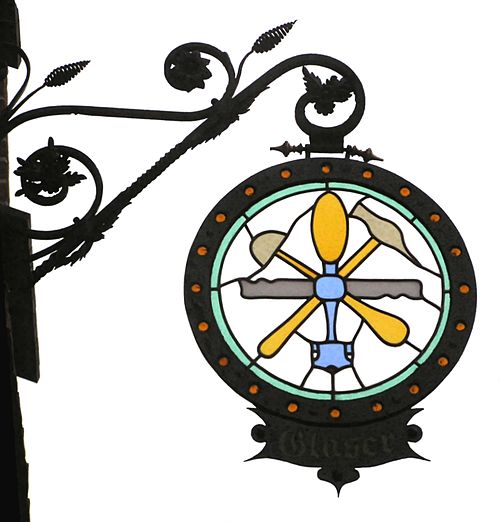
Glazier’s Guild Sign, Germany (wiki)

Remember in the olden days when groups of crafts people or business people would form guilds for mutual support, safeguarding their way of life, and keeping an eye on what other people in the business were doing?

Actually, we still do that. Most countries, for example, still have a bread baker’s guild. Then there are trade unions which perform a similar role of organizing and trying to ensure fair wages, and for writers there are professional organizations, or writer’s societies.
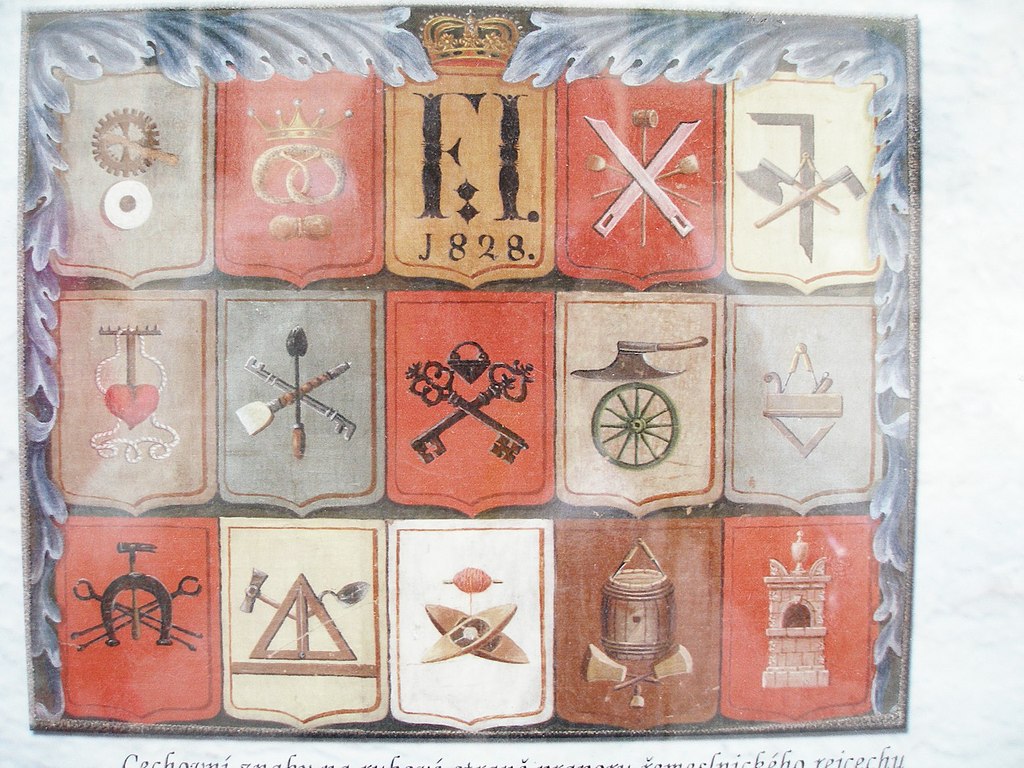
Guild Coats of Arms from Czech Republic (Wiki)

There’s a professional writing organization that has been formed around each genre of writing currently commercially viable. I myself am a member of several writer’s groups.

Sisters in Crime, (particularly but not exclusively for women) writers of mystery/crime.

I’ve also joined The Society of Children’s Book Writers and Illustrators, which includes writers of board and picture books, middle grade, and young adult.

If you write romance, then you’ll want to join the Romance Writers of…(America where I am, but other countries may have their own version.)

Science Fiction and Fantasy Writers Association has this nifty logo:

There’s also the Writers Guild of America East, and West, which represent screen writers and is still known collectively as The Writer’s Guild.

Technical writers have their own associations, which vary by the nation you live in, and sometimes by industry.
Why Join a Writing Association?

Aside from the comradery and opportunity to talk with people working in the same genre/industry you’re working in there are a number of very practical reasons to belong:
Educational opportunities including conferences and workshops

Funding for writing fellowships

Ability to enter association run contests for writing

Access to legal consult

Access to standard contracts

Support if you’re in a context of being sued or suing

More immediate knowledge of class action lawsuits around writing that might impact you

Medieval Merchant Guild House, Russia (wiki)

I think we’re all being reminded more often that we cannot take for granted that others will respect our work or pay us a fair wage for it. This isn’t a new problem and is at least in part why guilds go back for hundreds of years.

Whether people are taking our work to feed their AI or trying to get our money by convincing us they’re going to provide a service that isn’t real, the more we talk to each other and share information, the more we protect ourselves.

Stay strong, stay connected.
Learned the Hard Way vs. Failure: clear line or point of view?

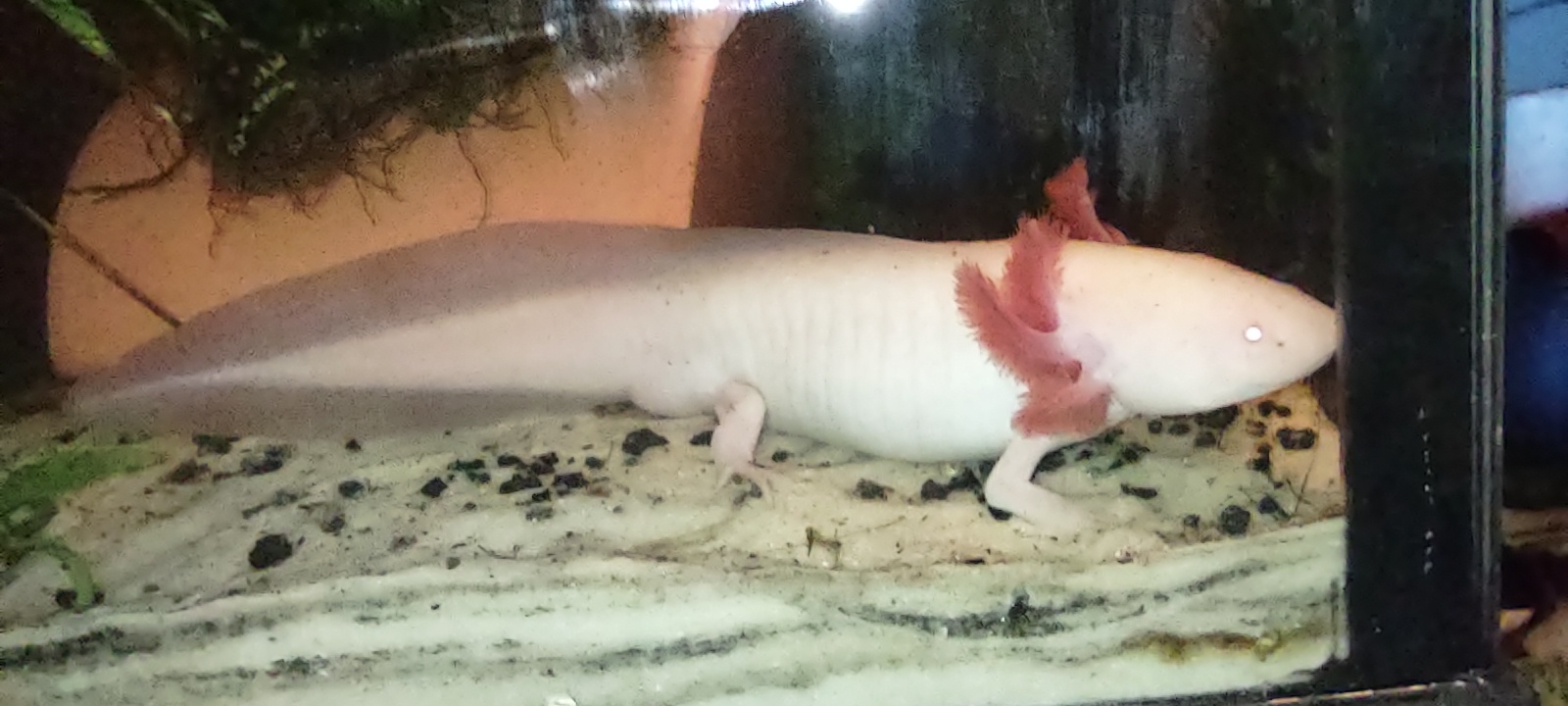
Writing and axolotl keeping may have something in common.

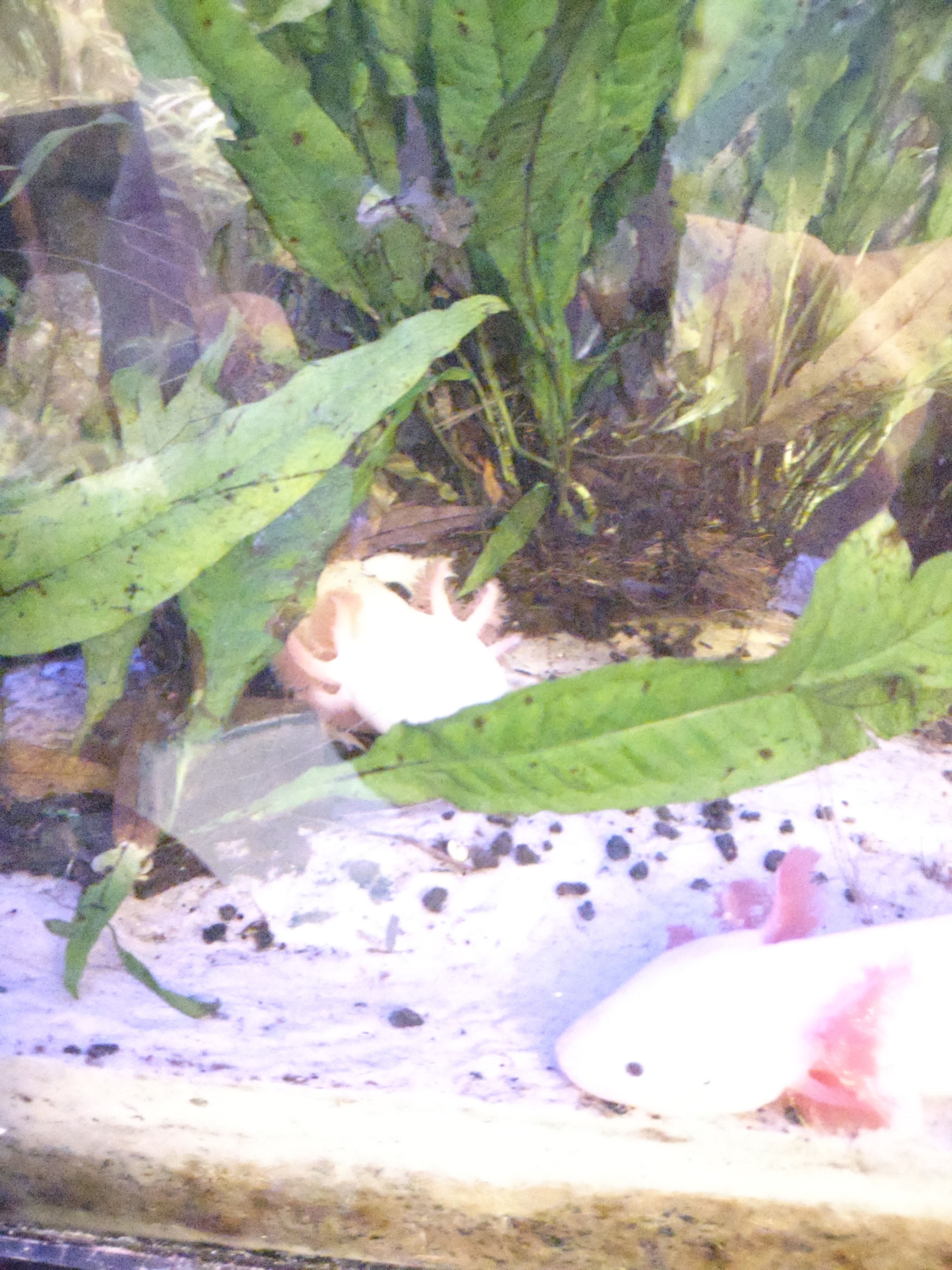
A pair of axolotls

Sometimes we learn lessons we don’t want to learn. The example I’m using to demonstrate this is my experience of the past year + keeping axolotls.

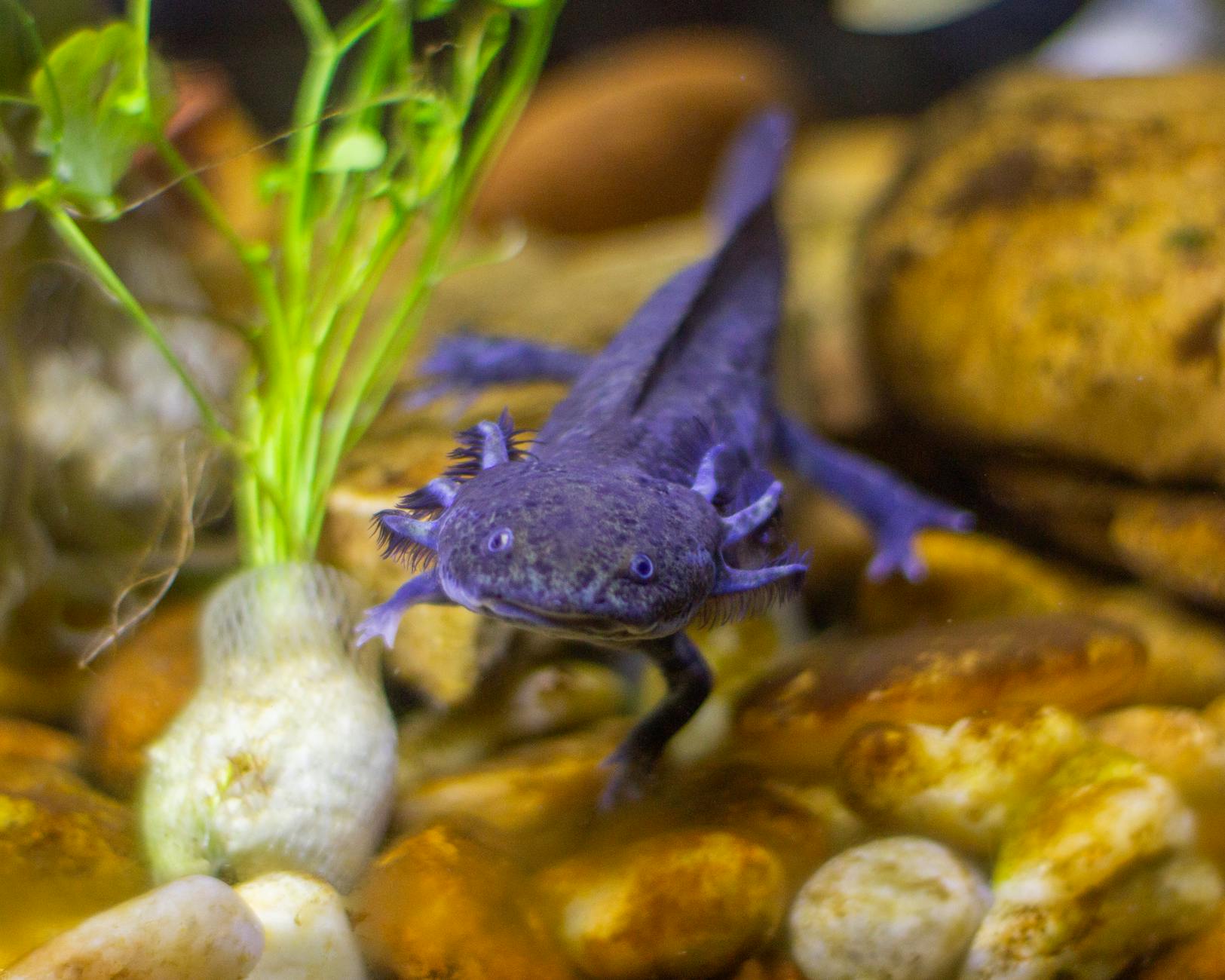
Axolotls, also known as Mexican swimming salamanders, are aquatic and spend their lives in cool water – ideally 60 – 65 Fahrenheit. They eat worms and/or pellets, they are rather low intellect, with poor vision. They’re also dwerps, e.g. they will suddenly zoom around their tank or float at odd angles, or play in their bubblers. Some of us find them very appealing because of their looks and their enduring behavior.

One of life’s ironies is that some axolotls will survive horrible neglect: poor water quality, underfed, ignored. Others, seem to be doomed. They look good, receive good care, and they die. While water quality is vital to their good health, some survive water so bad it causes them to start peeling their ‘slime coat’ and others can look beautiful but become unalive.

Photo by Raphael Brasileiro on Pexels.com

Writing vs. Keeping Axolotls

Some of us work hard at our writing. We do the right things: attend workshops/classes, learn to improve our craft, study the market, read the comps, craft our query letters, use beta readers, adjust when our first queries don’t go well. We study, write, and rewrite. And still – we can’t seem to be in the right place at the right time.

Some of us who keep axolotls do all the right things and our lotls still cease to exist.

As a writer or an axolotl keeper, what do you do when things aren’t working out?

Options

Of course, one can always stop what we are doing. Which isn’t necessarily a bad thing. In fact, I think two of the things we learn from trying with little or no success is:

a) how passionate are we really about this craft, hobby, activity, life-plan

b) are we pursuing this for ourselves or others; are we still finding a sense of purpose in our pursuit?

Sometimes people frame trying something and not having great success with it as a failure. I tend to disagree. If you wish to be a good person but you spend all your time physically harming others, then you’re a failure. If you want to try writing and after several years or longer you aren’t enjoying it anymore, or need a break, you haven’t failed. You’ve learned a lot, improved your writing, read things you otherwise wouldn’t have and are emotionally and psychologically richer for the experiences. Time spent creating doesn’t seem to ever be a failure to me.

As for keeping axolotls…after some heartbreaking experiences over the last year I’ve realized that there is something in my very hard water in this region full of former copper mines that is not agreeable to axolotl life. Something that doesn’t show up in the little store test kits but that probably also contributes to the high cancer rates among people. So I’m going to quit unaliving these adorable dwerps and stick with my freshwater fish.

I am choosing to keep writing but to stop axolotl keeping. My writing is an outgrowth of my need to create and tell stories. Axolotl keeping was an extension of my enjoyment of fresh water aquariums. My fish are thriving, so I will continue with them; I will miss but no longer harbor lotls.

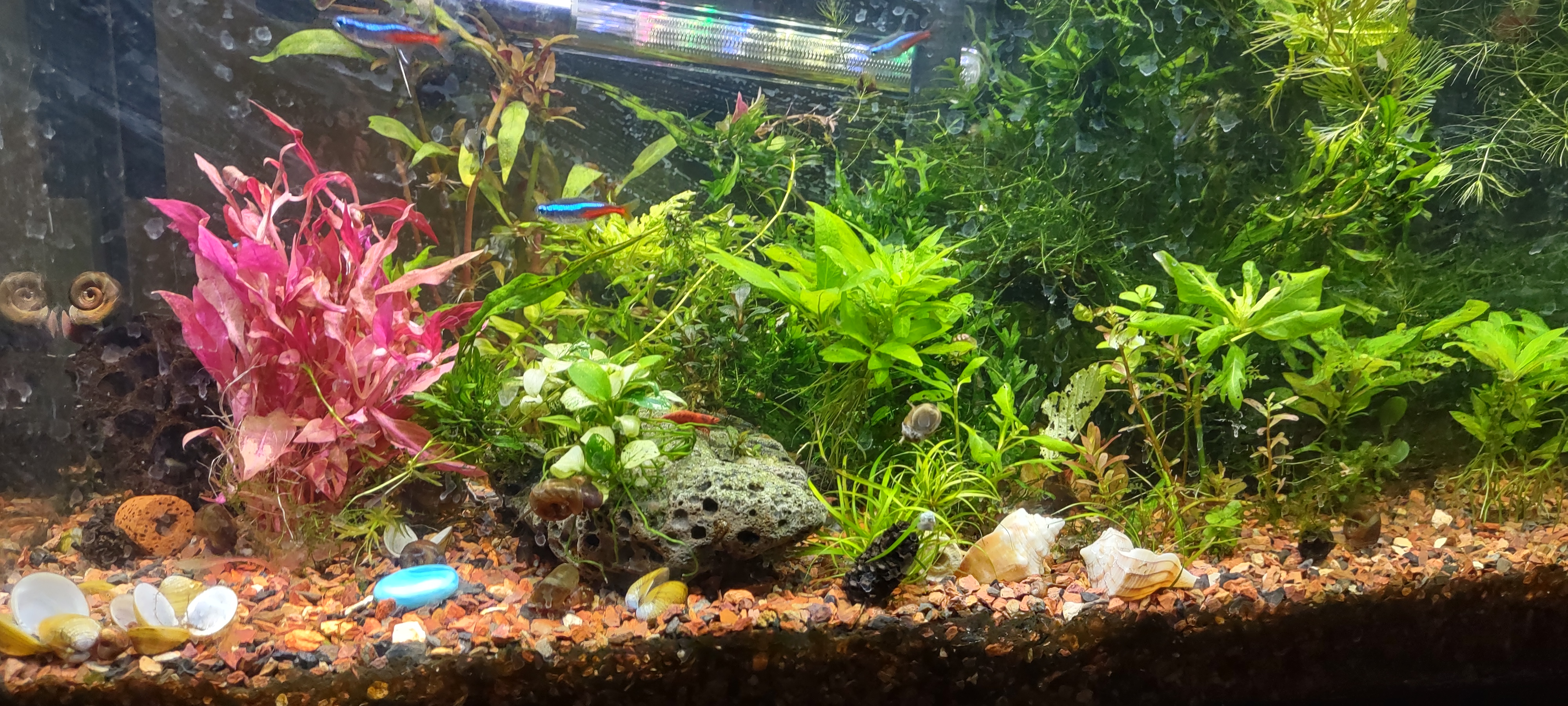
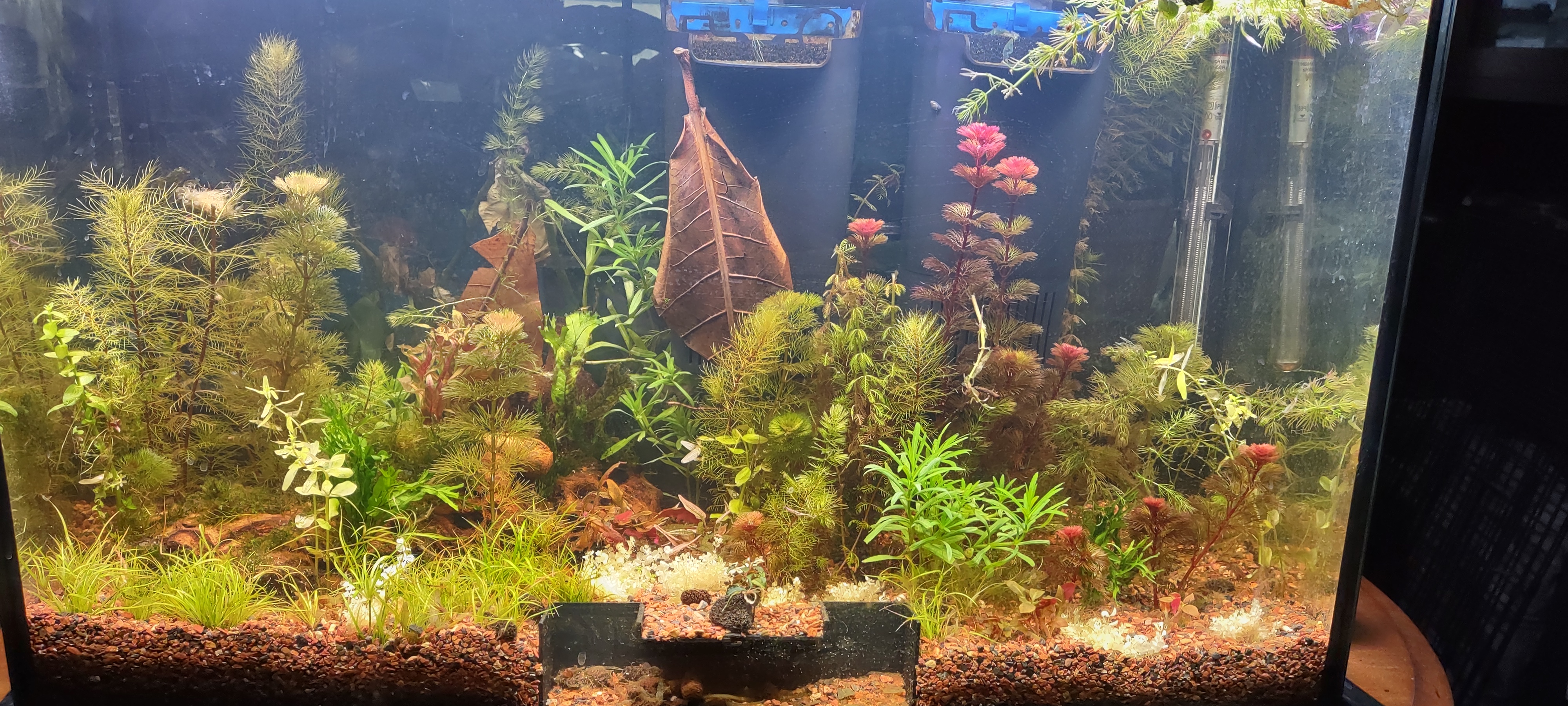
Sometimes it isn’t our writing, but what we’re writing that isn’t suited for the time and place. I’m running 6 home aquariums and 2 in my office and all are healthy. This isn’t the time and place for me and axolotls.

If writing sales matter to you, you may want to consider the popularity of the genre you’re currently working in. It may be that the type of story you’re writing isn’t as popular in the current market. I’m not suggesting you need to chase the market but that you ought to be aware that some genres or certain tropes within a genre may not be popular at the moment.

In writing as in aquarium keeping, sometimes it isn’t about what you most want but about what you are best able to do.

Good Old Fashioned Rejection

Be brave, be persistent, keep working.

Photo by Poppy Thomas Hill on Pexels.com

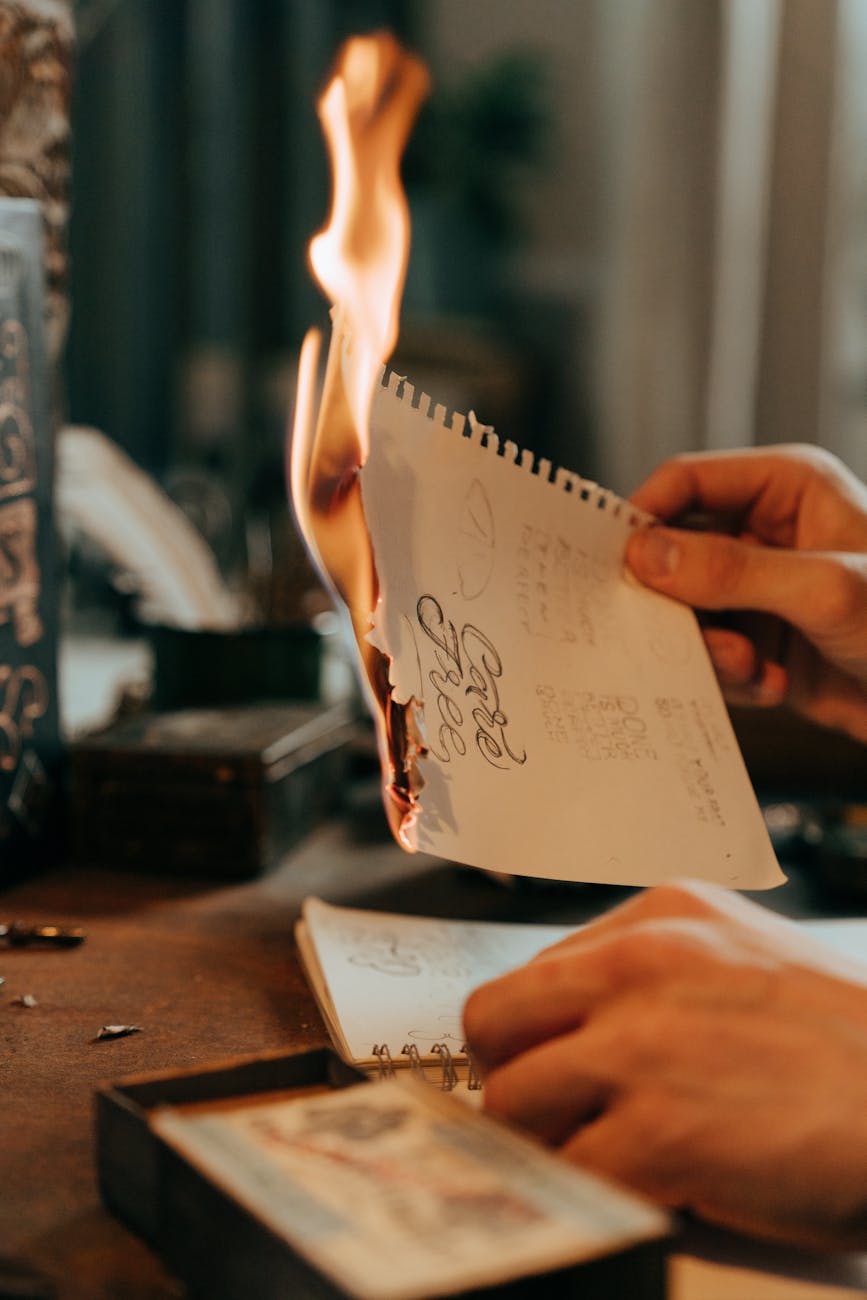
I’m old enough to remember a time when manuscripts were actually typed out on electronic typewriters. It took a week or more for one’s mailed manuscript to reach the physical ‘slush pile’ of an editor or agent, where it would wait for months to be read. Statistically, the thing most likely to happen next – if one had included a SASE (self addressed stamped envelope) would be a rejection letter, that spent a week or more making it’s way back to the writer.

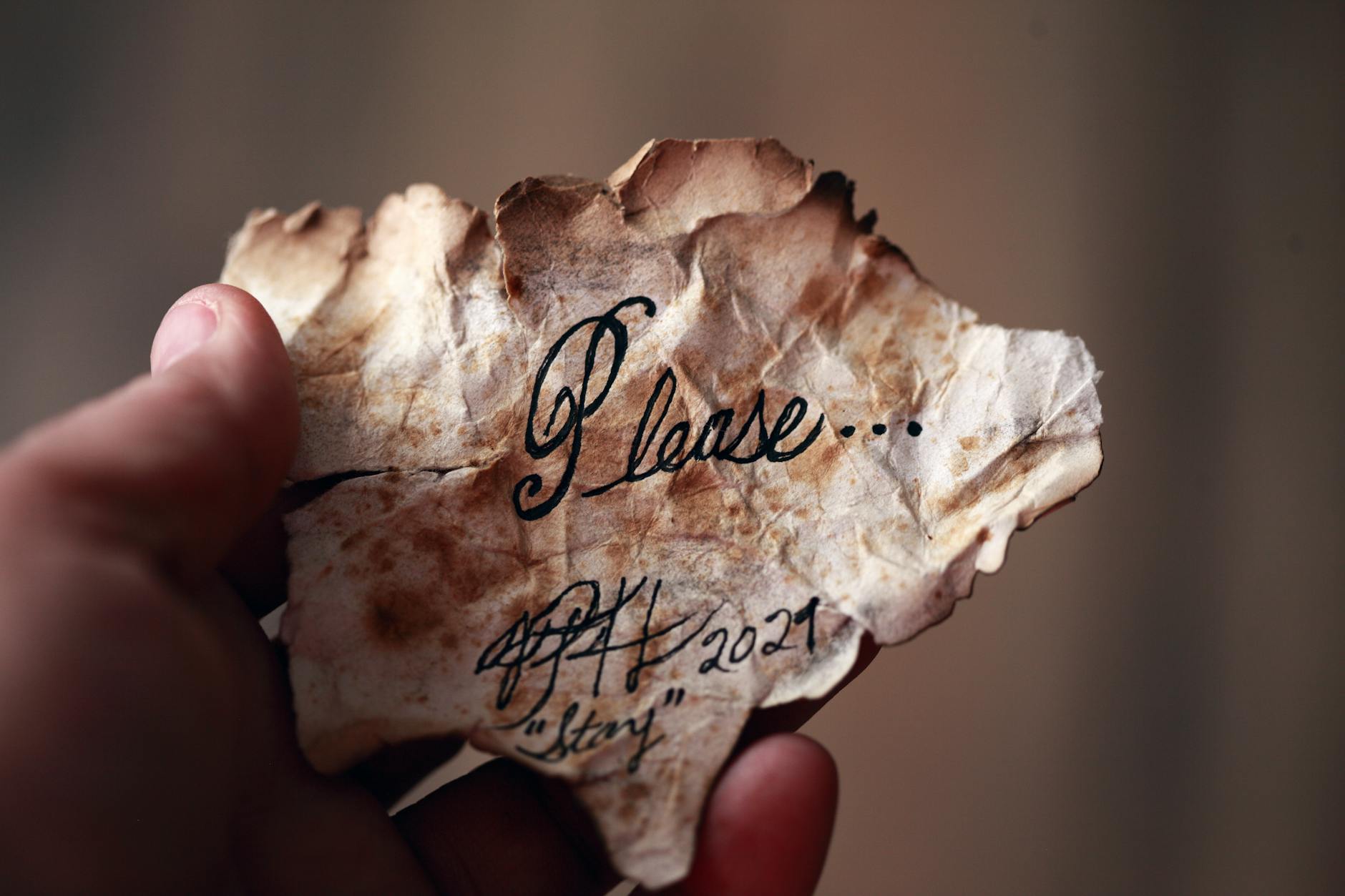
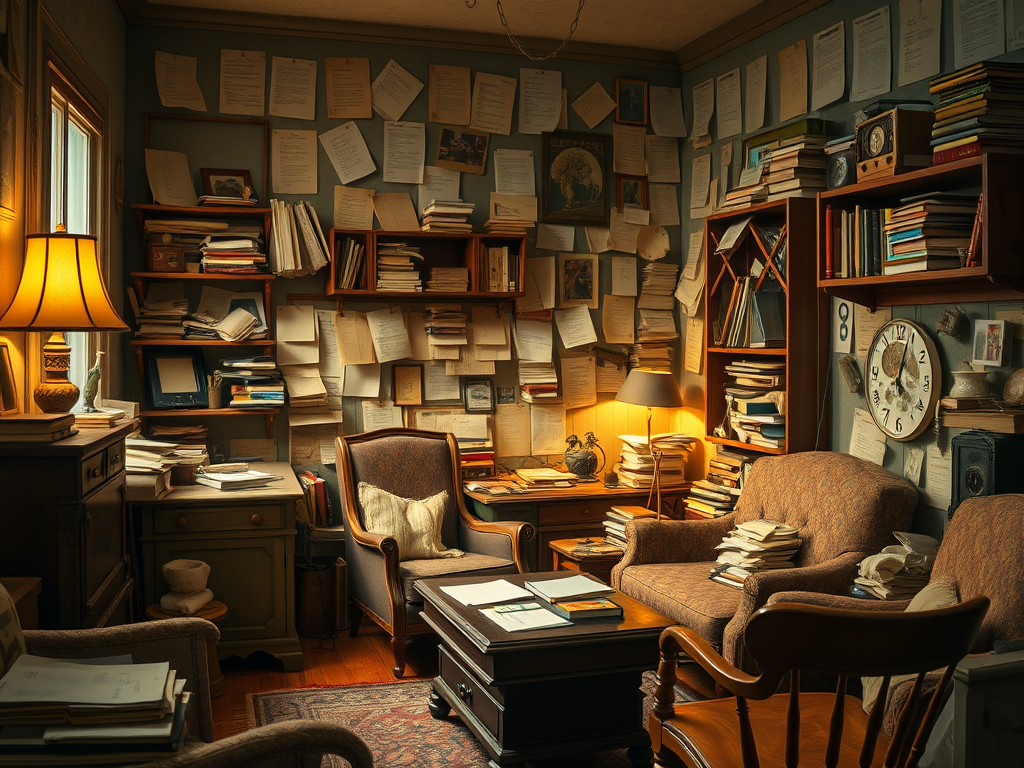
It was a right of passage back then to attach the rejection letters to one’s walls, until one could basically paper a room with the palpable lack-of-want one’s writing was experiencing. So many of we creative types are already prone to self-doubt, morose thought patterns and moods, it is little wonder that so many have ended up self-medicating.

These days submitting is done online. Electronic files sent often through a platform like QueryTracker, where one answers questions about their genre, word count, comparable books, publishing history, biography, and tag line. Technically, this makes the still statistically likely rejection quicker. Recently I submitted and received a polite, ‘hell no’ within the same week. That’s impressive.

Here’s the funny thing about this process. We, as writers, know that the polite decline of our work is the most likely outcome of every interaction where we submit. We know it’s coming and yet, each rejection still feels a little bit like a soft sting. One more person who takes a quick pass on the manuscript you have labored over.

Photo by Ron Lach on Pexels.com

It’s all logical of course. Agents and editors are overworked, have limited resources, and can only take on projects they can passionately defend and promote. They also have to be able to reasonably expect sales of the final product. On their end they are looking for that needle in a haystack: the work that really excites them, and has a potential market, and has a high enough potential for sales to make everything invested in getting that product to market worth everyone’s time and effort. If they don’t love the work and immediately have an idea of how to market it, it has to be a no.

Note: this is a multi- part consideration. 1) do I love it, 2) how can I sell it, 3) can I sell enough of it to make my company a profit (has something too similar already been published) ?

Photo by Andrei L on Pexels.com

Writers tend to focus on the first part of that when we’re rejected; omg, they didn’t love it. But it’s just as possible that they don’t readily see a way to market your work, or that they’re already marketing something similar, or that while they think the finished book might sell, they aren’t sure it will sell enough to make it profitable.

If one takes the time to submit their work to an agent or publisher, one is hoping for publication. Reaching that point though, can be a really long, hard road. Perseverance is key. Remember, the difference between most unpublished and published authors is that the published author sent out another submission after their last rejection.

Perhaps one day we’ll talk about when to consider that rejection may be trying to tell you something about a need for revision of either your submission package or the manuscript itself.

Photo by Esma Atak on Pexels.com