Posts

To Rember, When Book Writing and Seeking Publication

The more writing and querying you do, the better you ought to get at doing what you’re doing. Sometimes the first written novel will not find an agent, but as a writer, you should also be working on your next book even while you are querying the first.

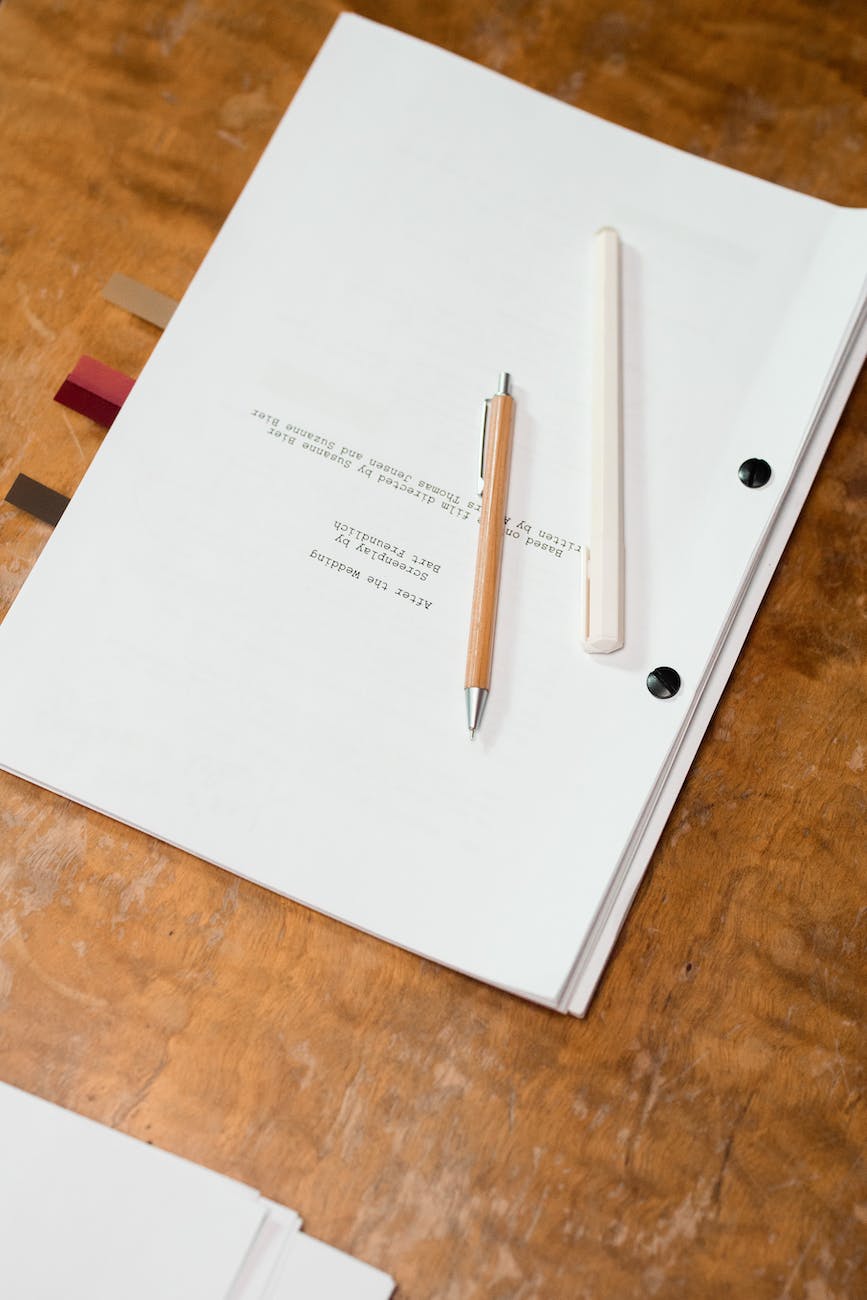
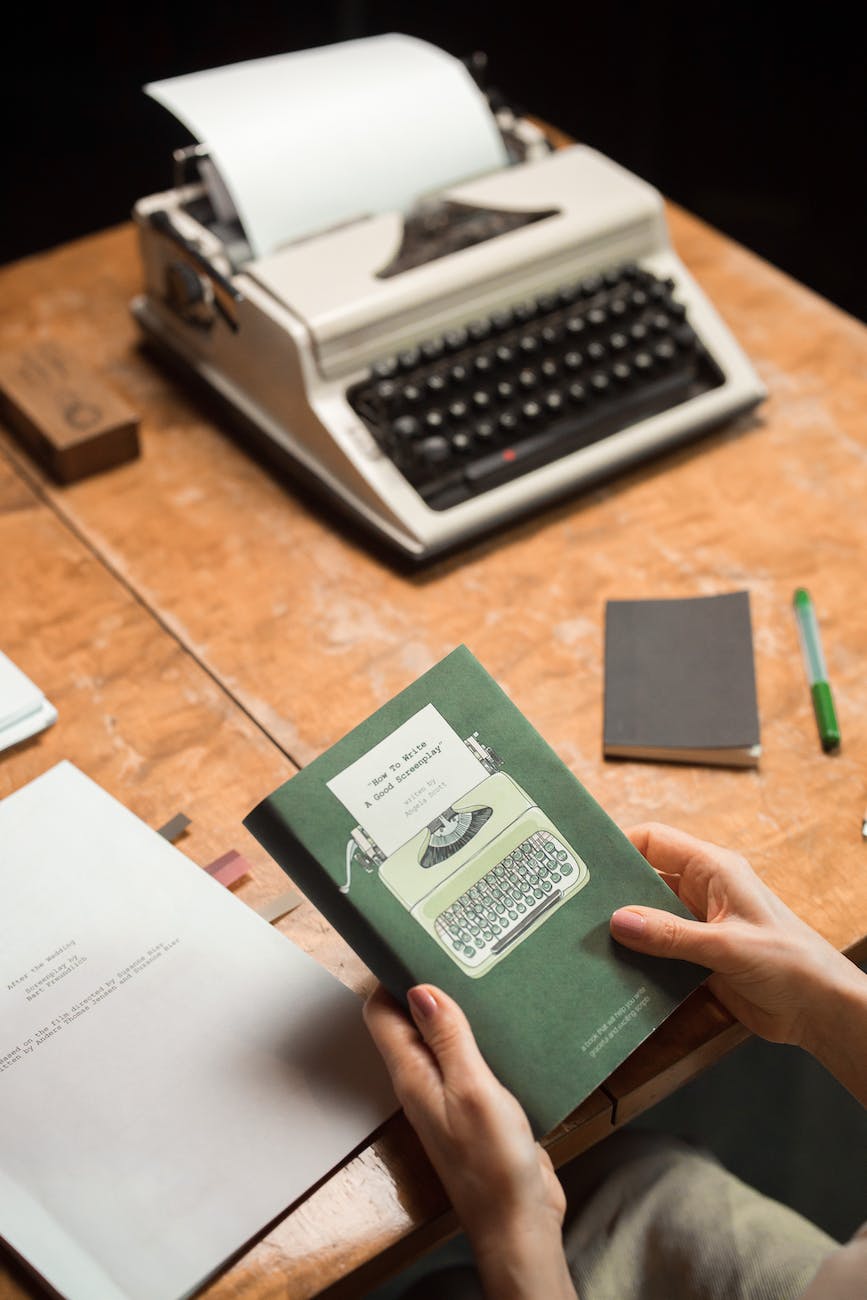
Photo by Ron Lach on Pexels.com

Practice Writing, Revise, Repeat

I’ve been writing a loooong time. When I was in high school, I was thrilled to be gifted an electronic typewriter with built-in correction tape [to be clear – this was state-of-the-art at the time]. By the time I was a senior, Dad, who was an early tech adopter, purchased our first family computer. I could not get him to understand how that didn’t help me as a writer unless he actually bought a printer. This was decades before publishers were taking electronic submissions, and with dial-up modems, it would have taken over a day to send a manuscript electronically and with the amount of electronic screaming the phone lines provided, no one would have put up with that for longer than it took to send a fax.

Photo by Pixabay on Pexels.com

I mention this because newer writers sometimes ignore the foundational part of becoming a writer – practice writing. Lots, and lots, and lots of writing, revising, and reading, and learning, and practicing. I’m published now, but that took over two decades, three strokes and recovery from them, and time off for graduate degrees.

Malcolm Gladwell has posited that one requires 10,000 hours of practice to become established at something; this may not be true for everyone but when it comes to writing, there’s a lot to be said for practice, revision, and more writing.

It also helps to come to terms with the realization that some ideas are good without being novel-worthy and some characters are engaging but don’t have a story that’s compelling enough to earn readers.

  1. Just because you’ve written something good doesn’t mean it’s good enough to find a traditional publisher.
  2. Just because it’s good enough, doesn’t mean it will find a traditional publisher.
  3. Your journey to becoming published requires as much persistence, research, and work as it does creative talent.
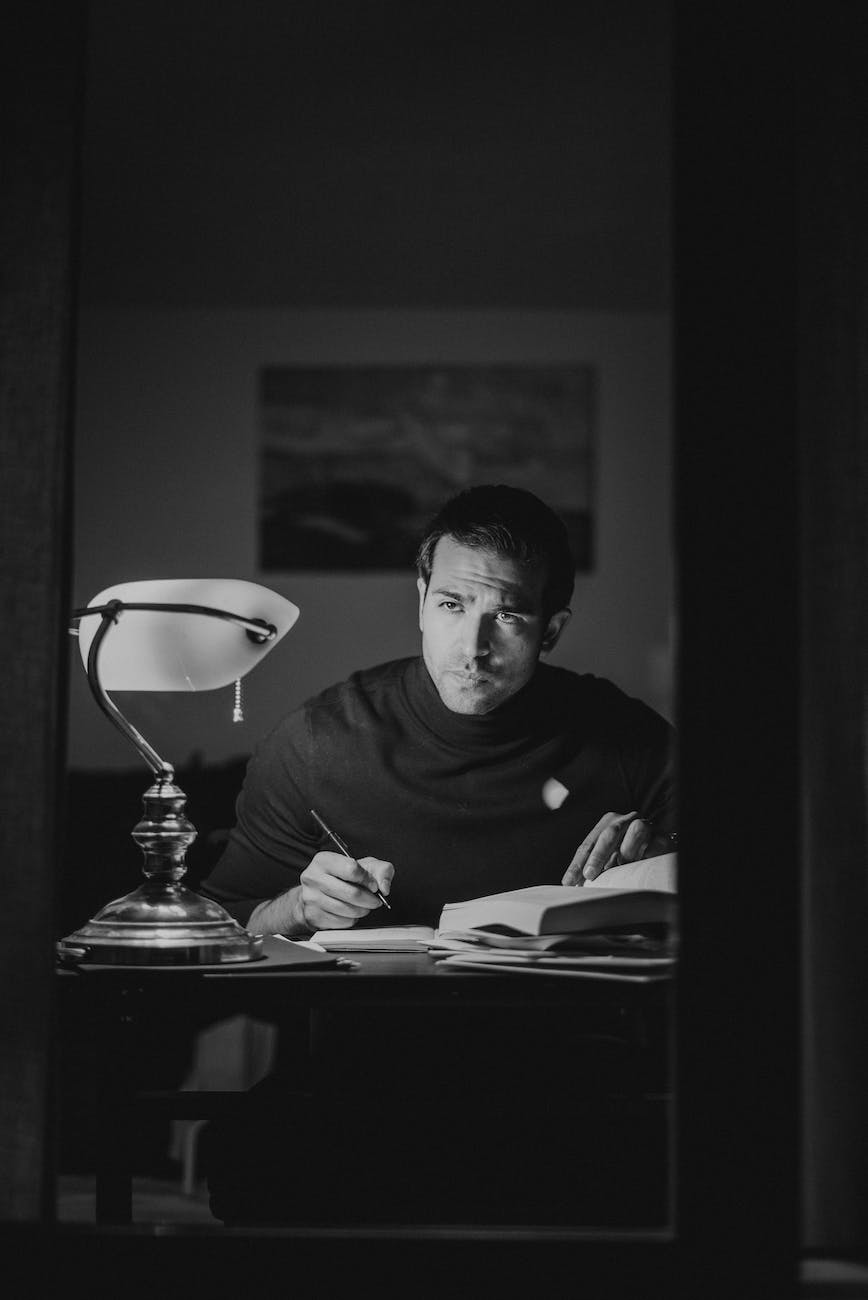
Photo by Dziana Hasanbekava on Pexels.com

Perseverance and research

If your goal is to go the traditional publishing route, then writing the book is arquably only half of the work you have to do. Querying agents and independent publishers who are open to your genre and unagented queries, is hard work. I previously posted on how to write a compelling query letter – which needs to be on point at 300 words.

The first paragraph of your query letter should be changed to suit each individual and company that you send it to.

You may have to revise your letter 50 – 150+ times. Yep, it does get discouraging to get 75 people in a row telling you that while your manuscript is good, it’s just not what they’re looking for at this time.

I found this response on a thread where a new writer was asking people who had submitted, how many rejections they received:

“My first novel I queried -140 rejections, 0 offers. Second novel I queried – 40 rejections, 5 offers. Third novel- 10 rejections, 1 offer.

None of those novels were related, I just got better at timing and hitting the right audience during the hard part of research in the trenches.”
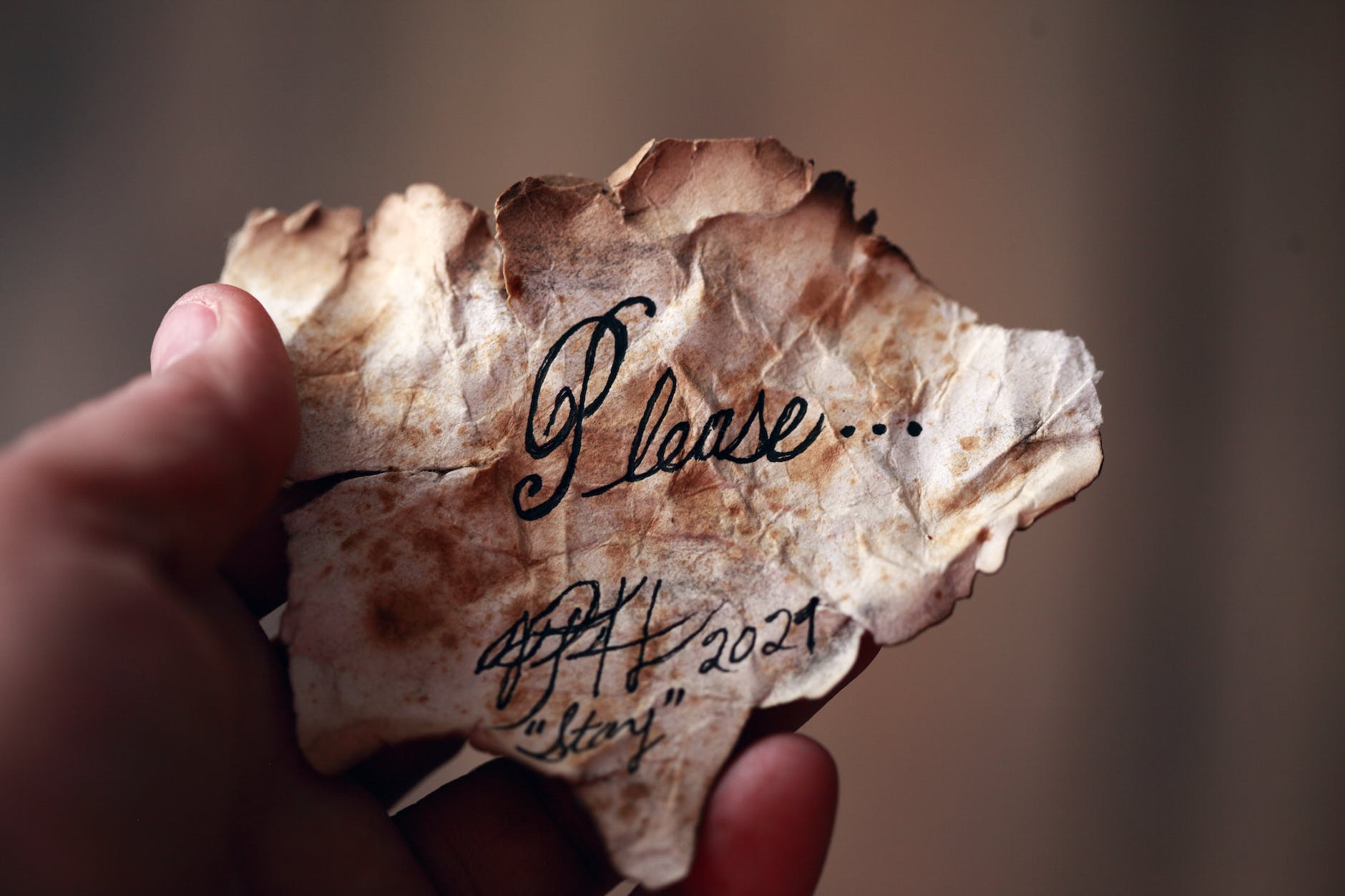
Photo by Poppy Thomas Hill on Pexels.com

First Written Doesn’t Mean First Optioned

The more writing and querying you do, the better you ought to get at doing what you’re doing. Sometimes the first written novel will not find an agent, but as a writer, you should also be working on your next book even while you are querying the first.

Sometimes the second book gets picked up; sometimes it is the third. You can always resubmit your earlier work once you eventually do have a publishing record. People – including Steven King and Ellis Peters – have done variations of this.

The ghostly presence of Sherlock Holmes, 221B Baker Street by Mike Quinn is licensed under CC-BY-SA 2.0

Caveat

Of course, you may also find that like Agatha Christie and Arthur Conan Doyle, once you’re known for a particular genre/character, readers aren’t really interested in your ‘other’ ideas. Writers, like actors, can basically become typecast, e.g. known for a particular genre. Which is a bonus for sales of new work, and a curse if you want to write different kinds of things. Readers cannot be counted on to buy work that is outside the genre they initially loved you for.

Not that any of us early in our careers can really wrap our heads around the idea of resenting readers for loving us too much for a particular story we’ve created. That’s a future-you worry, right?
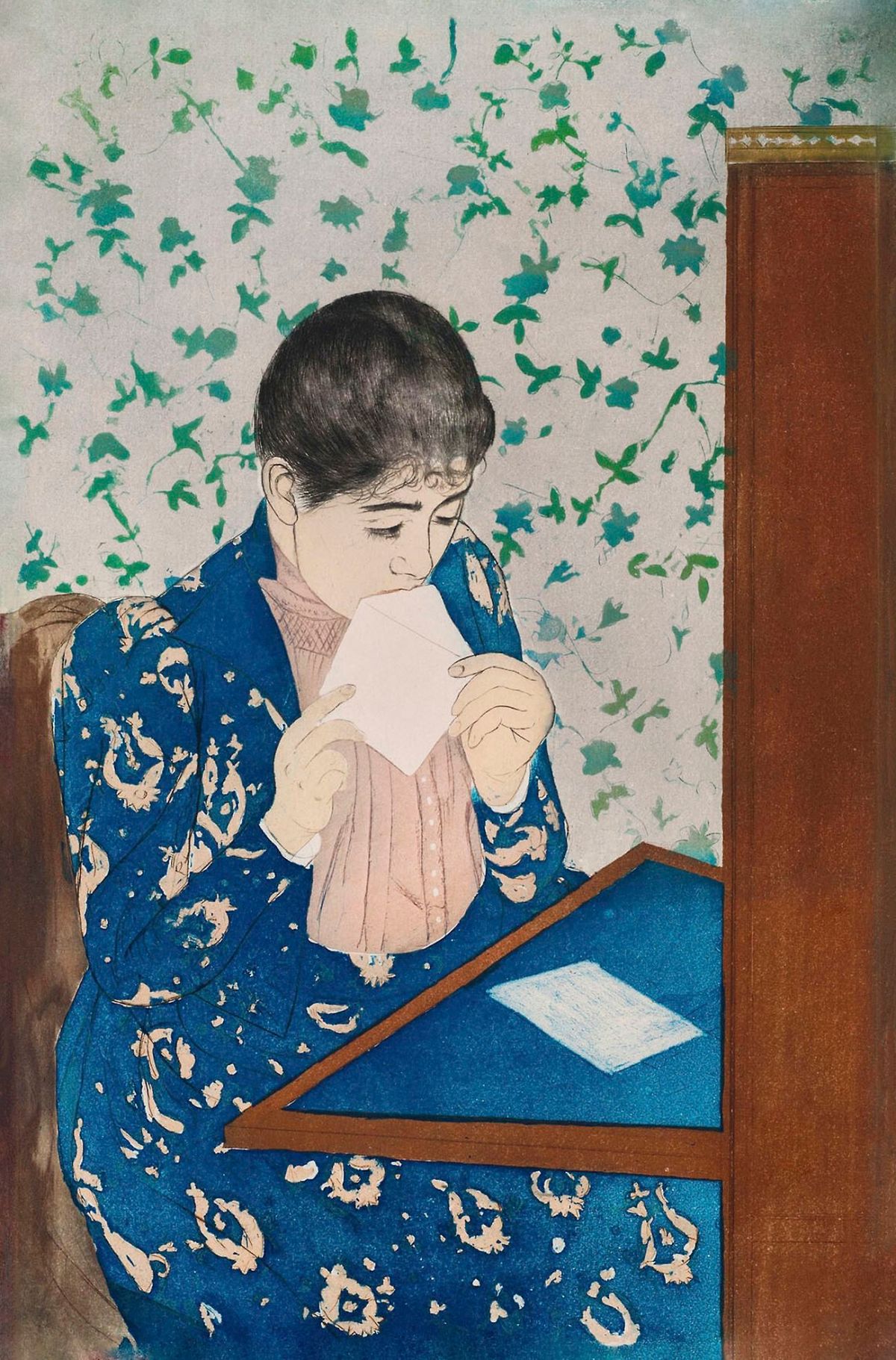
Photo by cottonbro studio on Pexels.com

Writing a Query Letter

Query letters are business documents.

I’ve seen a few folx posting documents they intend to use as a query letter, only to have other writers point out that what they’ve written is far too long. So I thought I’d post the basic format of a cover/query letter.

Note: we like to think as creatives, our creativity belongs in our cover letter. For agents/publishers, a query letter is a business document and it has very standard expectations, including length and content.

Length: 300 words; 350 is considered too long while 320 is acceptable but wordy.

Yep, that’s not nearly long enough to outline your book. But an outline that covers everything isn’t the work of a query letter, that’s the work of a synopsis. You will increase your odds of getting someone to actually consider the content of your letter, and request pages from you, if you do not confuse the two.

Opening: Be intelligent. Pay attention to a person’s preferred pronouns (check their Twitter profile, then their web page), e.g. Dear Mx., Ms., Mr. . . . do not be overly friendly, be professional. You are writing an appeal to gain something, you are not hiring a service. [You may think your work will make the person money one day, but they have no reason to believe this yet; in the beginning, you’re no better than a phone solicitor trying to sell them something while they’re trying to get something else done.]

Photo by Suzy Hazelwood on Pexels.com

Paragraph 1: a) Why this agent/publisher and b) what are you offering?

a) It is best if you can point to a work they have recently (no more than 3 years) printed or represented, that is in the same genre that you are offering and has another commonality, like a similar theme to your book.

b) Title, genre, word length of your work. If this is your first traditionally published book, let them know it is a debut, as that means you have ‘potential’. If you’ve self-published a previous book, don’t mention it unless you can add that you sold thousands of copies.

Dear Ms. Smith,

When I learned you represented Betsy Bop’s The Dinosaur Wrangler, I thought you might be interested in DINOSAURS IN THE VILLAGE, 69,000 words. This is my debut MG novel.

Paragraph 2: Conflict/motivation – what is the main conflict your point of view character has to face, and why do they care about resolution (and therefore, why should the reader care?) Yes – include an example of motivating forces, NO – do not try and tell the whole story.

When 11 yr. old Glory discovers her little brother is keeping a baby dino in the pocket of his wheelchair, she knows she must hide it before he is found out and banished from the village. Then Wizard Skizims discovers Glory and her brother with the dino, sneaking out at night to free the baby’s caged daddy, and Glory’s fears are realized. Now Glory has 13 days to return the dino to his mother, who plans to trample the village with her tribe, retribution for trapping the baby dino’s daddy. Can Glory save them all or will Skizims’ prejudice lead to their destruction?

Paragraph 3: Comps/placement – a) if an agent/publisher went into a bookstore looking for your book, what other books would they find on the shelf alongside it (this is marketing info. It is vitally important. If your book has no comps, then you are unlikely to get anyone to handle/publish it.)

You can also do a ‘meets’ example, e.g. if I took these two things and put them together, their child would be my book ( Title X Title). In the ‘meet’ example you can use TV/movies as well as books, you’re trying to connect your book with popular culture ideas that the person you send the query to would be familiar with, and that provides accurate insight to your tone/theme.

b) any qualifications you have to write on the topic, and any other writing credentials you have.

DINOSAURS would be found between The Dinosaur Wrangler and The Dinos of Warp Land, think Dora the Explorer X Lord of the Rings. This stand-alone book also has series potential. I am a sixth-grade teacher with a specialization in paleontology; my students’ love of dinos inspired this book.

Thank you for your consideration,

(188 word cover letter).

This letter does all the work a letter needs to do; yes, I did use a simple example, with one POV character. Some writers have a plethora of characters they switch between. The more complicated your book is to crystalize into a query letter, the more likely you’ll encounter trouble getting someone to look at it. Plenty of writers end up putting their first book aside and querying their second or even third book. Once you have an agent or publisher, you can revisit your more complicated works, because you already have a foot in the door.

Remember, an agent/publisher knows the kind of work they’re currently interested in. They need fairly bare-bone facts to know if they are interested in requesting/reading your pages. Once they read your pages, they’ll know if the book meets their needs. Pitch the idea and genre first, then let your writing sell the book.

Photo by cottonbro studio on Pexels.com

I Love a Delightful Reimagining of a Classic, Told From a Woman’s P.O.V.

The Ramayana is an epic poem, a Hindu text dating from 1200 B.C.E. (Syracuse University). As with all classics that are ancient texts, there will be variations in the story (e.g.while all versions I’ve seen agree on who the first of Raja Dasaratha’s wives was, I’ve seen variations on who was second and third). The big picture however: Dasaratha granted his wife Kaikeyi two boons (or undeniable requests) after she saved him in battle. Many years later she used one of those boons to exile his eldest son, Rama, for 14 years, during which time her son Bharata would sit on the throne that Dasaratha is abdicating.

Kaikeyi, Google commons

Was Kaikeyi evil or tricked by her old nursemaid? In early tellings, the older woman is often portrayed as a hunchback, a classic example of using visible disability to portray inner flaws in personality. While debates have spanned the decades of who the real villain is (this story has been turned into movies and TV shows) Vaishnavi Patel has written an exciting reimagining, told from Kaikeyi’s point of view, where neither woman is evil, yet both are human.

Vaishnavi Patel

In Kaikeyi, Patel shows how our heroine, so often at the mercy of decisions made about her by men, manages to carve out a life for herself and in so doing, improve the lives of women in her kingdom. Kaikeyi remains human, having moments of doubt, jealousy, anger, and feelings of abandonment, she also remains a woman doing her best not just for herself but for those around her. She truly seeks what is best both for the kingdom she has married into, as well as the kingdom of her birth, and all the weakest members of society. One of the triumphs of her life is to witness women in other regions being allowed previously unheard-of liberties (running businesses, allowed religious education) based on the examples set in her kingdom.

Most of us need to make an effort to read outside whatever our typical habits are. This includes reading outside our culture. And for those who share Hindu culture or who are familiar with Hindu literature, what a bold reimagining of a traditional story. This is a perfect bookclub text because whether one is familiar with the background epic poem, this is an incredibly compelling and nuanced telling.

Writers Zone: Beta Readers . . . considerations, kindnesses, and select realities

I have yet to meet the writer who, having created something and still in the early excitement of ‘this might really be something!’ doesn’t yearn for another set of eyes and another person’s reaction to what is written.

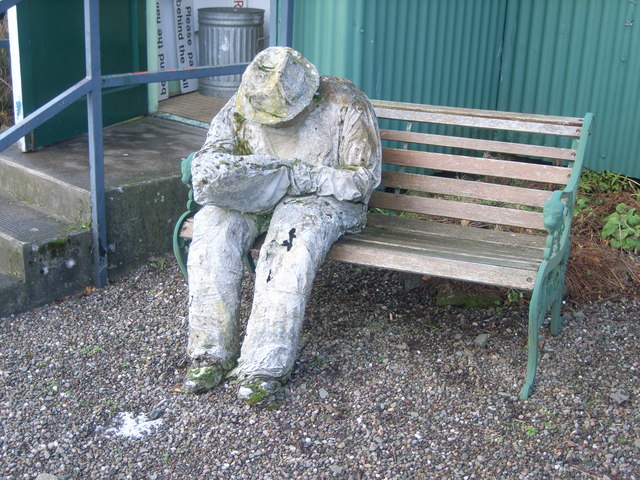
Paper Mache sculpture of person reading a book by Nicholas Mutton is licensed under CC-BY-SA 2.0

In fact, I belong to a range of writers’ groups and there are regularly posts/chats/messages about writers seeking someone to beta read what they’ve written, from an opening page to an entire manuscript. What is on offer from the writer can vary from the first very rough draft of a paragraph, to an entire whopping novel. If you find yourself in this context, let’s think of some questions you ought to ask yourself before seeking those beta readers.

Did I just finish what I wrote?

If the answer is yes, then the beta reader you are looking for is your bff, partner, friendly neighbor, dog walker, member of the congregation you go to religious services with who is interested in writing . . . in other words, early days. You’re not ready to stick that first rough draft in front of readers who you want real opinions from. At this point, you just want affirmation that you haven’t totally puked on a page.

  1. Set it aside and keep writing your work in progress
  2. Go back later and make sure the basics of grammar are there; no one wants to suffer through your unpunctuated, grammar/spelling errors
  3. Yes, being a writer means learning about delayed gratification and this is tough.
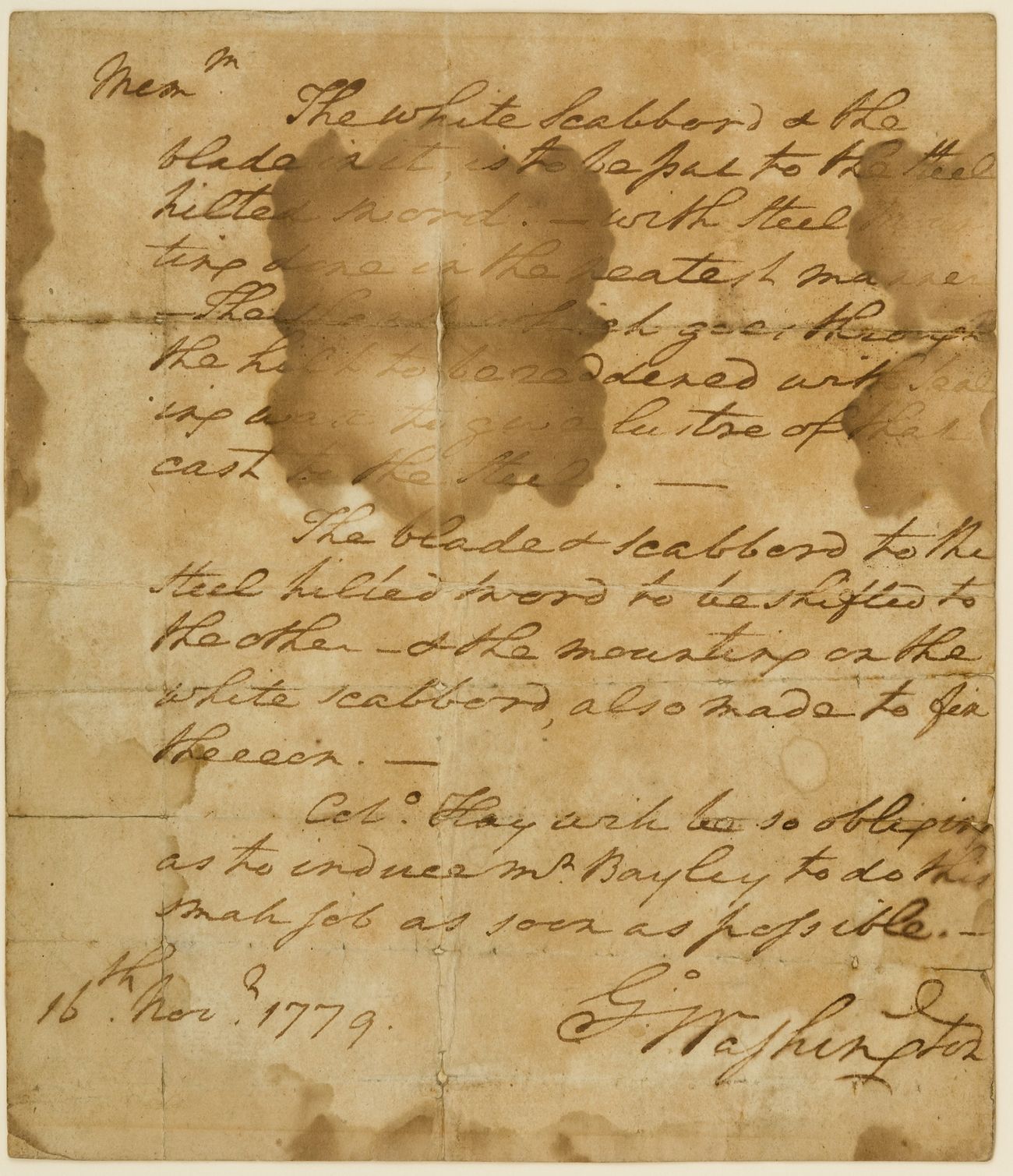
Manuscript Memorandum of George Washington by The Metropolitan Museum of Art is licensed under CC-CC0 1.0

have I completed an entire first draft?
If the answer is yes, then the beta reader you are looking for may well be an editor; that may be a developmental editor, or a line editor who clears up errors you don’t see because we all reach a point where what is in our head and what is on the page can no longer be distinguished by us.

  1. There are a range of hired services available, depending on your needs and budget
  2. If you don’t have money to hire an editor, can you barter services with someone (depending on your skillset this could be a local or online arrangement)
  3. Do you have the skill set to trade editing with another writer; if not, then you ought to save up and hire an editor. Beta readers can’t give you an honest opinion about your writing if they’re constantly tripping over errors.

Has my manuscript been through an initial edit?
If the answer is yes, then you are ready to seek real beta readers, e.g. readers who know the conventions of the genre you have written in, or who have enough of a writing background to judge if your conflict, characters, and plot are doing their job.

  1. Join writing groups and offer to trade manuscripts with other writers who have equally prepared their manuscript, i.e. they have a full draft with at least an initial edit
  2. If you can afford it, join a paid writing group like P2P where every month you have the opportunity to workshop the first 5 pages of your manuscript with other serious, experienced writers; you then develop connections and can potentially trade manuscripts or even find generous volunteer readers
  3. Return the favor to other writers by volunteer reading (even if they aren’t the same people reading your manuscript, but they are a member of the same writers’ group – you need to develop the ethos of a writer who contributes to the community)

clarify what you’re seeking before handing off your book

Beta readers sometimes think they are being helpful if they start marking up your manuscript to point out the errors they have found. Initially though, what you are seeking as a writer are ‘big picture’ remarks.

  1. Ask that beta readers focus on the story – is it clear, do they want to keep reading, if they find plot points where they just feel bumped out of the story (for any reason) can they just make a mark to indicate where and try and keep reading
  2. If they find a point that is so disruptive that they can’t keep reading, ask them to indicate it and explain what they find a problem
  3. This one is the hardest: be honest with them and yourselves, if they are finding so many errors that they can’t help but mark them, ask them to just stop after the first chapter and send you that feedback (you either have a manuscript that still needs developmental work, or you have asked an editor to be a beta reader and it isn’t the same job.)
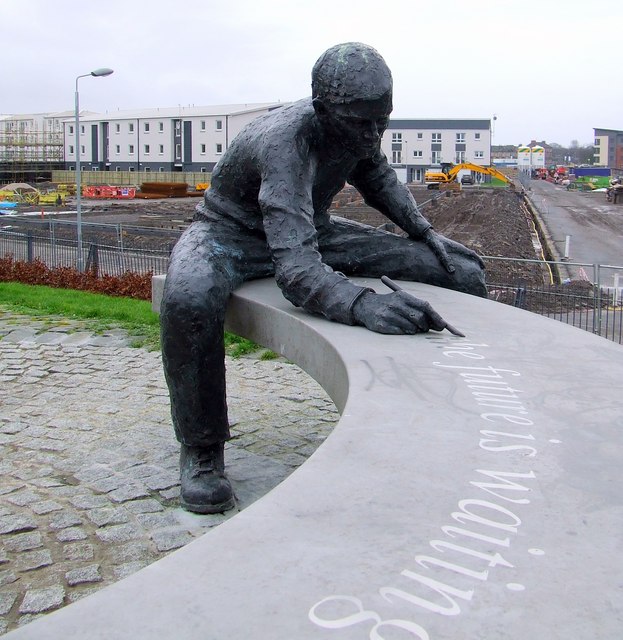
Writer in the park by Thomas Nugent is licensed under CC-BY-SA 2.0

writing is hard, painful, lonely, and occasionally exhilarating

The hard work involved in writing for publication sucks, in a lot of ways. If you are the sort of person who needs instant gratification that comes in the form of a stranger telling you how clever you or your work are, then writing is likely not for you. It takes so much work and time to get to the point where your work is ready for someone, somewhere to love it (who isn’t your partner, neighbor, dog walker . . ..) Pacing and patience are key. Writing groups can help, if you want to spend time with others who understand and share your unique brand of pain/challenge/reward.

Think twice, however, before asking for beta readers. You will create a reputation for yourself in your writing community. It can be as a writer who shows respect for beta readers by handing them a clean and ready manuscript. Or not.

I’m Biased (based on experience) and therefore may Prefer Autistic Writers

Admittedly, I’ve noticed as I age, I have less appetite for fiction with magic/fantasy and am more interested in exploring the reality of all manners of shenanigans folx can get themselves into in the regular world. That kind of mischief is typically far freakier and odder than anything we fiction writers are going to come up with.

Bookshelf with books organized by color by ChrisEdwardsCE is licensed under CC-CC0 1.0

In an attempt to keep my reading from becoming too narrow, I join book clubs and get exposure to books I would otherwise not pick up. Of course, I’m always behind, with a to be read pile that’s spread out over shelves. My current read from one of my clubs is The Book Eaters.

Image of USA hardback book cover for The Book Eaters

Part way in, I started to have some logical problems with the world being built by author Sunyi Dean. I stopped to read her bio, which I hadn’t bothered with since it was after all, a book club pick. When I saw she identified as autistic my view of her world changed.

Something to understand about autistic writers is that we have obsessive level constraints about the worlds we make, e.g. there are rules, and they are thought through and followed, they just might not be the rules that another writer would have gone with. Knowing this, my internal critic was able to relax and trust, if I stuck with this work there would become evident reasons for all the choices being made.

Image of author Sunyi Dean

To be fair and reasonable, and in keeping with my training in philosophy, I ought to give this same benefit-of-the-doubt to all writers/books. Truth be told, though, I’ve been burned too many times.

I know I’m not the only reader who gets frustrated when an author has events happen that don’t fit into the world they’ve built, or has a character act dramatically out of character, or my biggest pet peeve, has something turn out to have ‘actually happened’ that they established earlier could not have happened. I don’t even mean deception to build a mystery sort of thing, I mean someone f’d up the continuity/editing and an event happened that couldn’t have.

Image of a Cosmic Explosion

I feel like making the unsupported claim that autistic writers are more likely to produce characters and worlds that stick to the internal rules of that character and world. My wish to make this claim may simply be based on my bias. But when it comes to this specific example, The Book Eaters and Sunyi Dean, I have been proven correct; the world contained within the pages remained true to itself and thus to the reader.

Writers’ Zone: Formating. Plus, room for writers’ concerns/questions.

Writers can save time, effort by formating for publishing from the start.

A blank page.

Photo by Markus Spiske on Pexels.com

Regardless of how one writes – on paper, on computer, on stone tablet – one begins by facing a blank page. As someone who belongs to more than one online writers’ group/discussion page, I’ve noticed two particular concerns that come with the blank page: Story and Formatting.

Blank page against a floral background
Photo by Eva Bronzini on Pexels.com

Story

That’s often the first concern for a writer. Under the broad umbrella of story one finds considerations of:

plotting

character development

pacing

It is not uncommon for less experienced writers to focus so much on story that they overlook another important, if less creative element of writing: formating.

Unfortunately, this creates a lot of additional work and reformating that could be avoided, if one knows and uses the expectations of formating that agents and publishers have for initial submissions.

Photo by Markus Winkler on Pexels.com

Formating

Writers are creative. We often like to imagine we have many choices when it comes to formating our manuscripts. And we do – up until we want to submit to an agent or publisher.

Photo by Ron Lach on Pexels.com

Agent and publishers have simple expectations when it comes to how they want to see a manuscript:

12 point Times New Roman font

First paragraph of each chapter, left justified

All following paragraphs indented

Double spaced

(remove extra space before/after paragraph and use uniform double space)

Photo by Katya Wolf on Pexels.com

We mustn’t be discouraged about the uniform expectation for manuscript submission. Rather, we should use all that creative juice we wanted to use for formatting, and focus it on the story itself.

Questions, Concerns, Disagreement?

I am adjusting this blog slightly and rather than just featuring books/writers already published, I would like to include more information and a forum for writers working towards publication.

Do you have a writing question you’d like addresssed?

Do you disagree or have a follow up question with something said here?

Please comment or contact me.

Writing and Creative License: Knowing an autistic isn’t the same as being autistic

A rose by any other name and with any number of thorns is more pleasant to deal with than this book was

In the community of writers, there is an ongoing debate about ‘#ownvoice’ writing vs. ‘writing as a creative act’, e.g. a writer’s creativity should not be shackled by their lack of personal experience. Knowing that I have little positive to say about a book that someone else labored long and hard on is something I’ve put off for months. But this is also a cautionary tale for writers about why we all need to be careful about trying to tell other peoples’ stories.

Pink rose being sniffed by the nose of a puppy.
Pink rose being sniffed by chihuahua-dachshund pup

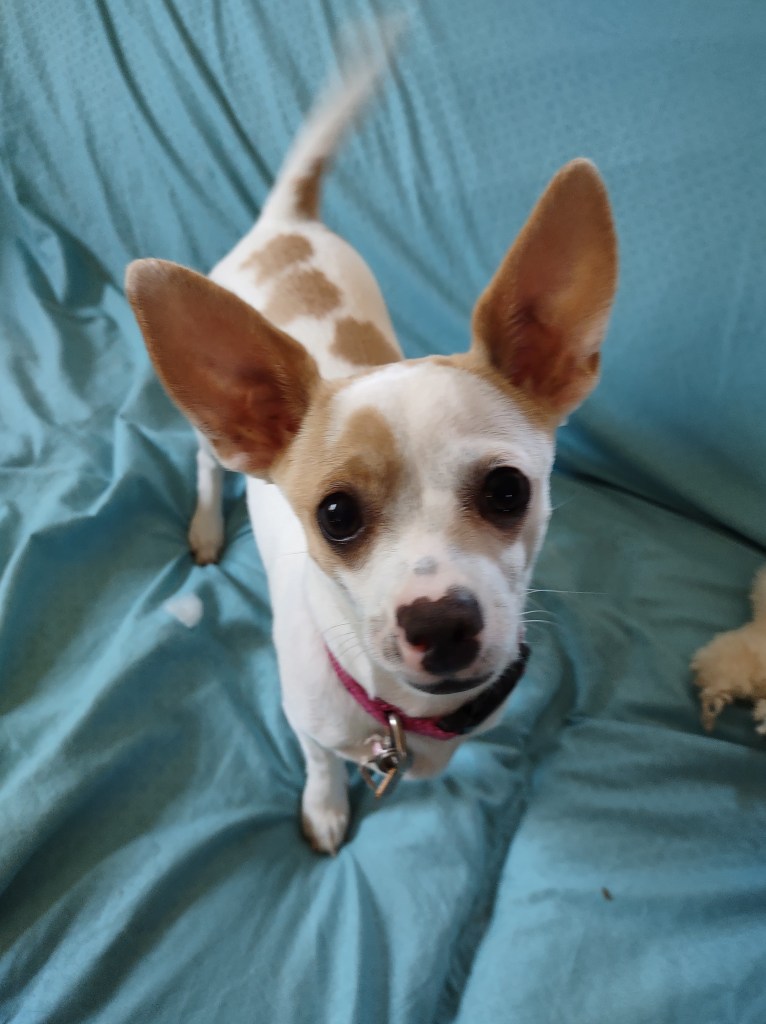
A cute puppy – Winnie – that I would rather spend time with:

Chihuahua-dachshund puppy.

There’s a great deal to be said for literary license, that allows us as creatives and writers to explore experiences that might be adjacent to what we’ve lived but aren’t our actual experience. Most writers, for example, will write both male and female point-of-view (pov) characters, while most writers will have lived from only one of those pov. . . and generally we as an audience are fine with that.

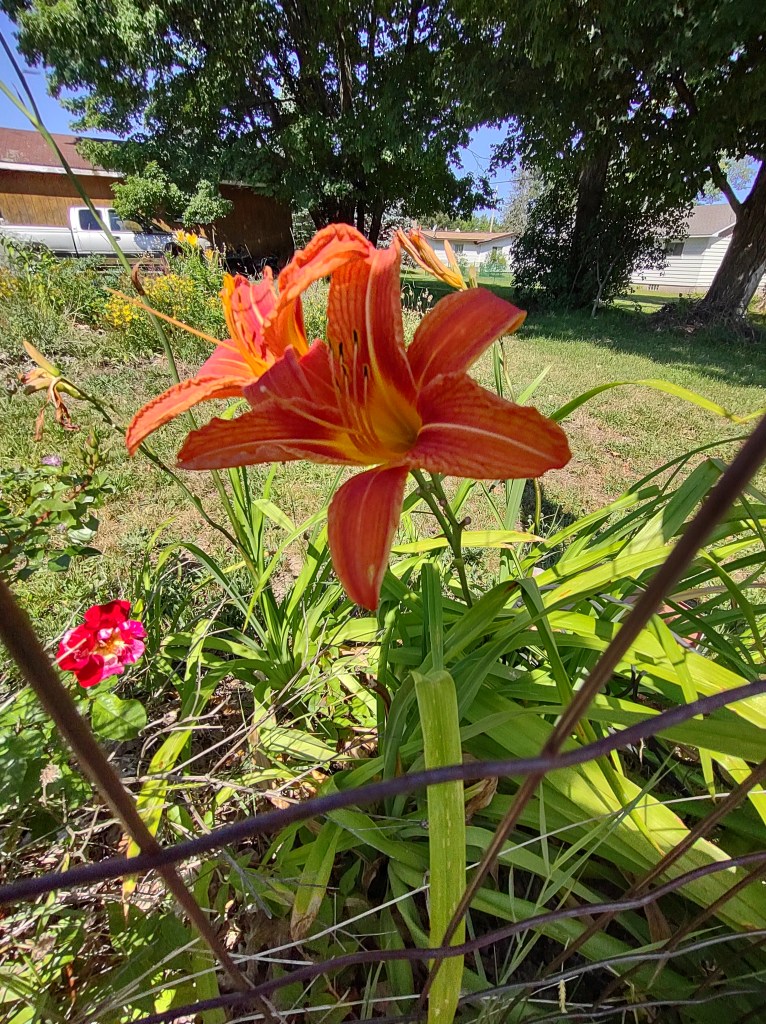
A day lily and 4th of July Rose that I would rather look at:

Orange day lily and red and white rose.

At the same time, I personally have read male writers’ women and thought, “They really don’t get it.” We – as writers – should still be allowed to explore different pov characters. And when we do, we also have to accept that we may be criticized for our take, particularly when we are writing from a pov rather far removed from our own. And when that pov represents a historically marginalized community . . . lots of room for trouble.

What is most frustrating for members of that marginalized community though, is when a book featuring ‘their’ pov is written badly by someone who is not a member of the community, yet does very well commercially. That is basically salt in the wound.

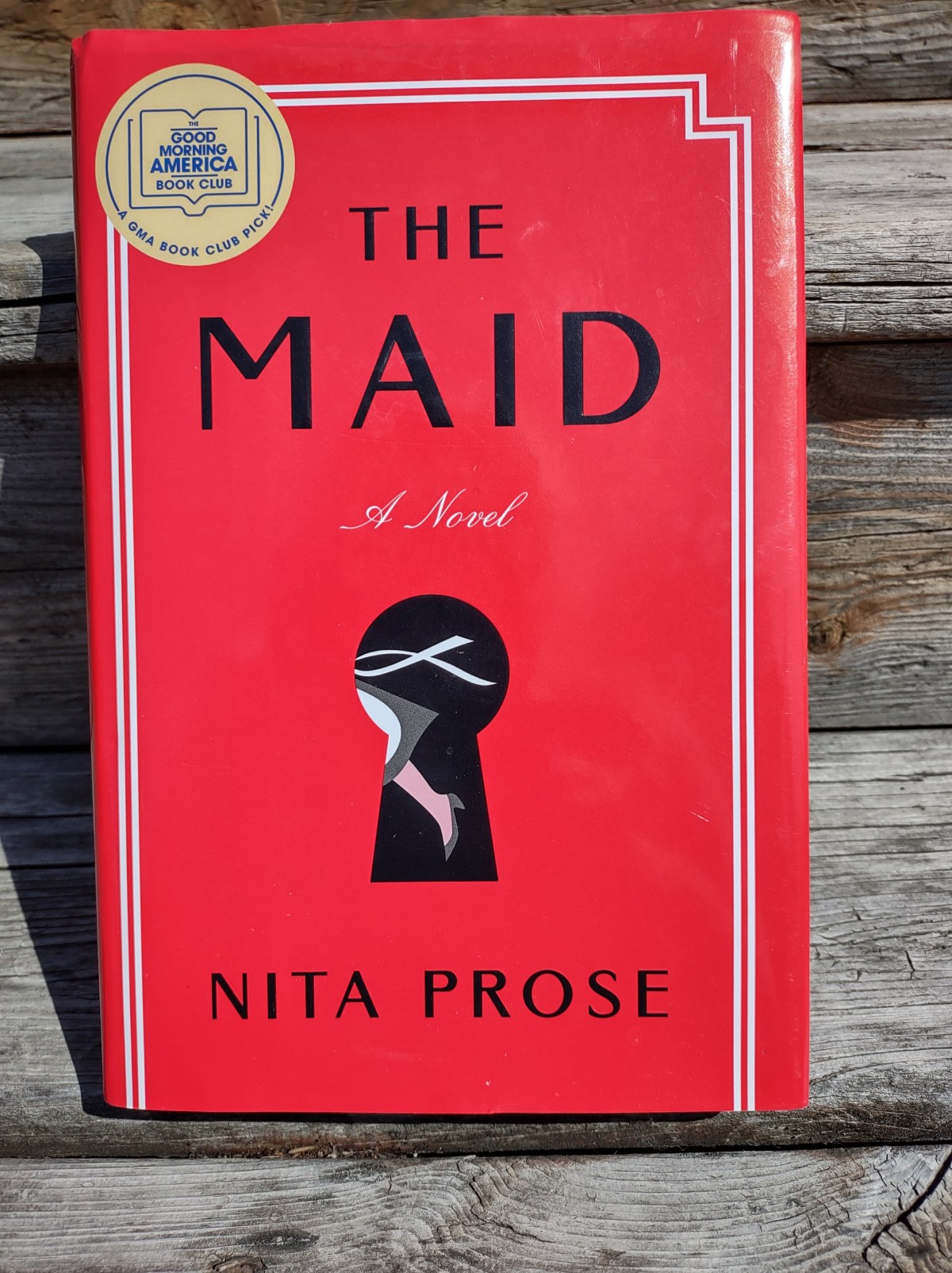
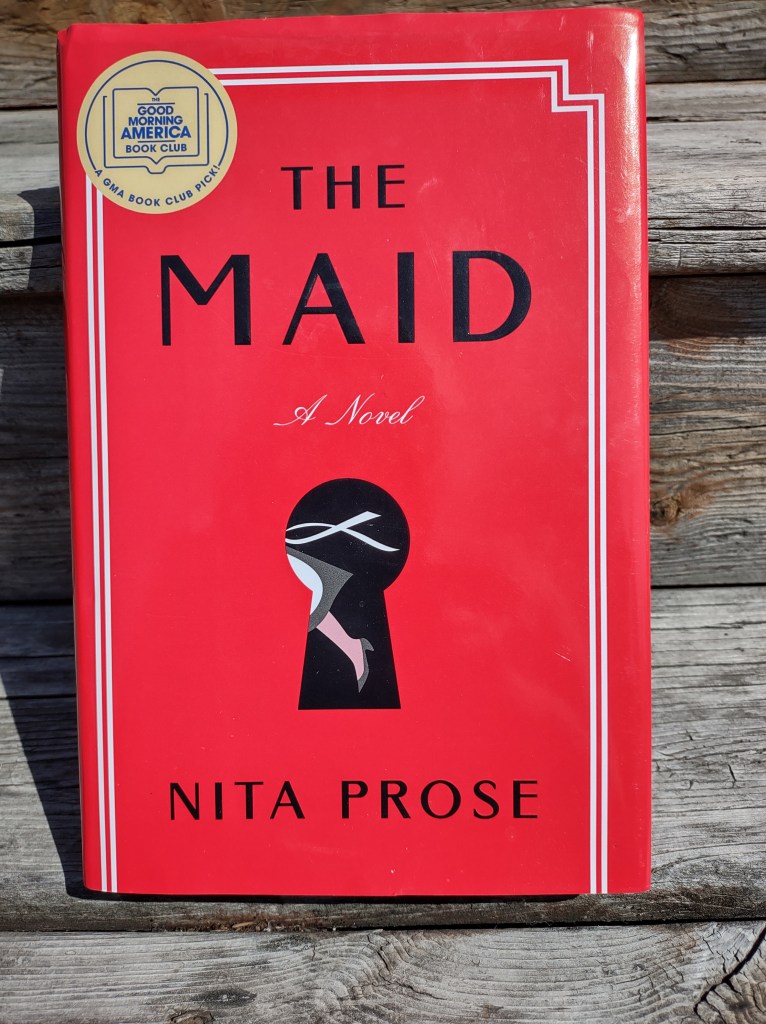
Our current case in point, The Maid.

Cover of The Maid by Nita Prose.
The neurotypicals are loving this one . . .

To summarize what at least one person has commented, Publishers and writers seem to think if they don’t name the disability, then when they are called on the inaccurate portrayal they can say, ‘well we never said the person was x’.

There are stereotypical social portrayals of autism which invariably include Obsessive Compulsive behavior, including fascination with a fixed topic; an inability to decode social norms and expectations; naivete, particularly compared to same-age peers. Throw these all onto one character and people are going to read her as autistic.

Someone who is not autistic, writing an autistic pov is fine in theory. But when the portrayal turns the character into a puppet who is manipulated (that’s an autistic reading, not at all what the writer was going for) by the neurotypical characters who are ‘helping’ her – by having her rehearse lines to say, saving her when she’s in legal trouble, and caretaking her because she is portrayed as unable to be truly independent – well, don’t be surprised when autistic readers are offended.

Neurotypical readers, however, seem to generally love this story. They are amused by the ‘quirky’ pov, while being able to identify with her saviors who swoop in at key moments. They are not relegated to being the character who is incapable of orchestrating her own narrative. She’s the woodchip, they’re the waves who move her.

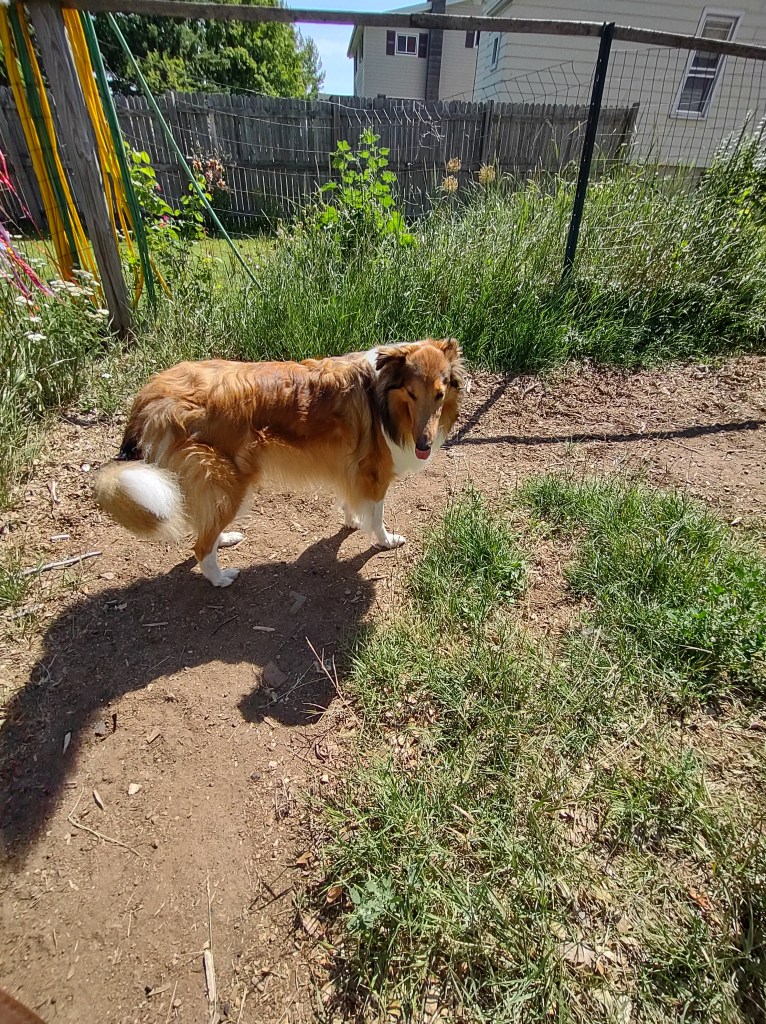
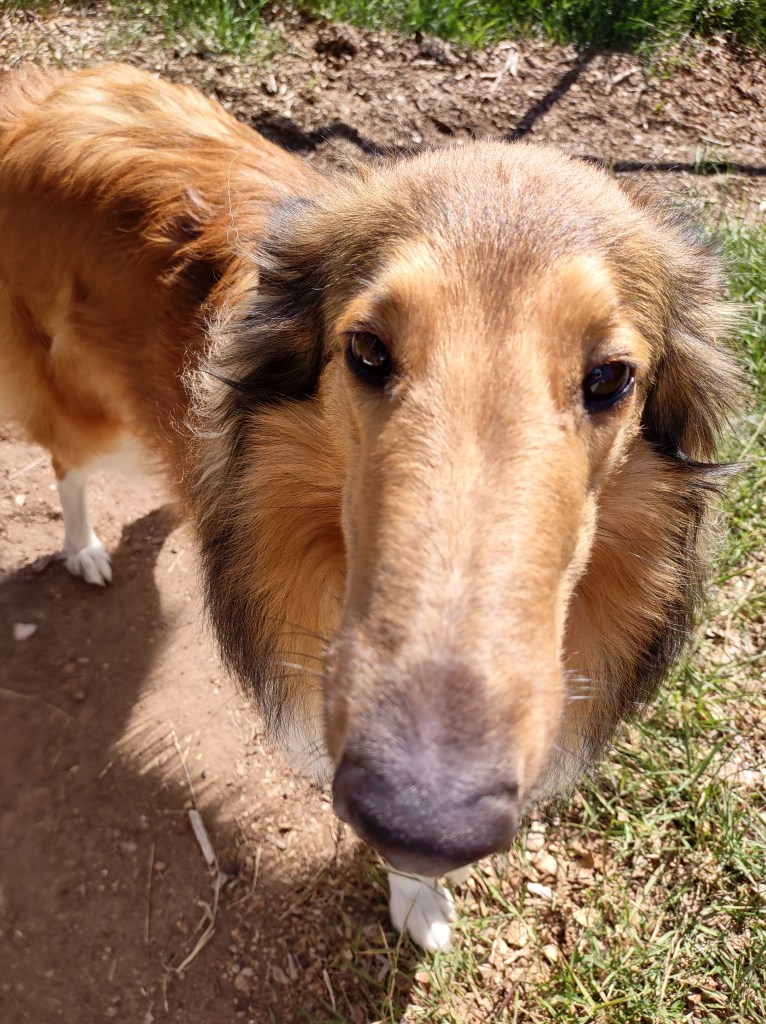
A Collie, whose barking I would rather listen to:

Collie dog standing outside on a summer day.
Close up of collie dog

Note: because this whole endeavor has cost me a lot of spoons (please lookup spoon-theory if this is not a familiar term) I have randomly included images in this post that make me much happier than the topic itself has.

Neurodivergent readers: This is going to be turned into a film. And we all know the likelihood of them choosing a neurodivergent actor to play Molly is as low as it is likely that Ballantine Books will follow this book up with several written by #actuallyautistic writers.

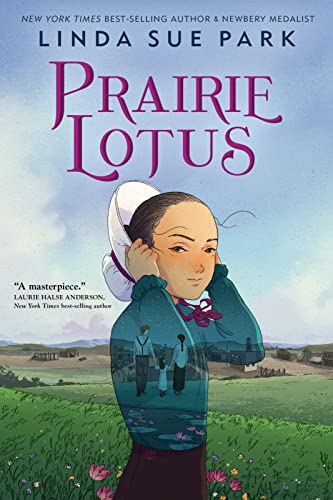
Prairie Lotus: Linda Sue Park

I’m writing a middle-grade historical western thus I’m reading them. What a lovely example of the genre we have in Prairie Lotus.

Cover of Prairie Lotus

I found it very interesting to read how Linda Sue Park came to write this book. We have in common a love of the Laura Ingalls Wilder Books, the Little House series. She had long imagined what it would be like if she could have known Laura Ingalls as a child, and what it would be like to be Asian in the historical west. This book is the fruition of that imagining.

Overall well written and researched, the only bump-out I experienced was the very 21st-century concerns that passed through the main character’s thoughts at points. Park had wanted to in some way show awareness in the book about social injustice and prejudice. While I admire the goal the result was that at times the character’s thoughts were not in keeping with her time and place. I found this very acceptable though and appreciated what Park was trying to accomplish.

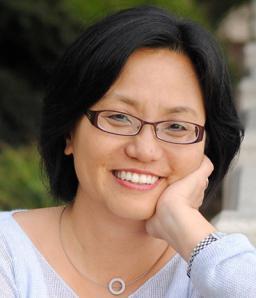
Linda Sue Park

Some books I feature on this blog are enjoyable, some interesting, some at least cause thinking. I would say this book has all those features going for it.

For the Autistic in the Virtual Room

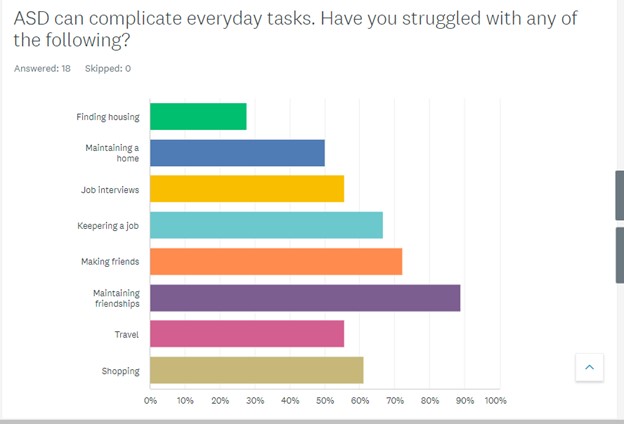
Back in 2018 I created a brief survey to begin collecting bare-bones input from other ASD folx about what they were finding most challenging in life.

Free image: Pixabay, PIRO4D

As a writer and academic, this is a topic that I would eventually like to address in a book that would hopefully help ASD folx and their communities (i.e. the rest of the world) by making it clearer the prejudices and struggles those of us on the spectrum face in day to day life. At the very least I’d like to create a conversation starting point amongst those who like some data, not just anecdotal evidence. To be clear, I value the stories of those with lived experience. But part of the audience would be made up of those who value data points.

I’d left the survey open and knew it was still hanging out in the virtual-verse. Then I got a notice that after several years someone had taken the few minutes to fill it out, adding another voice to the experiences being collected. And it occurred to me that it would be useful to keep adding voices to that survey and that by posting a link here, we might find a few more folx willing to share.

Survey: https://www.surveymonkey.com/r/NJTC92V

Responses to one of the central questions of the survey as of April 30, 2022.

This is a anonymous survey although respondents have the option of leaving an email address if they are willing to be contacted in the future.

I’d be interested in knowing (comment section) what topics you think should be covered if one had an opportunity to discuss being neuro-diverse with neuro-typical people?

Photography and Writing: You Learn by Doing

Writing and photography are two of my biggest passions in life – along with animal rehab and adoption.

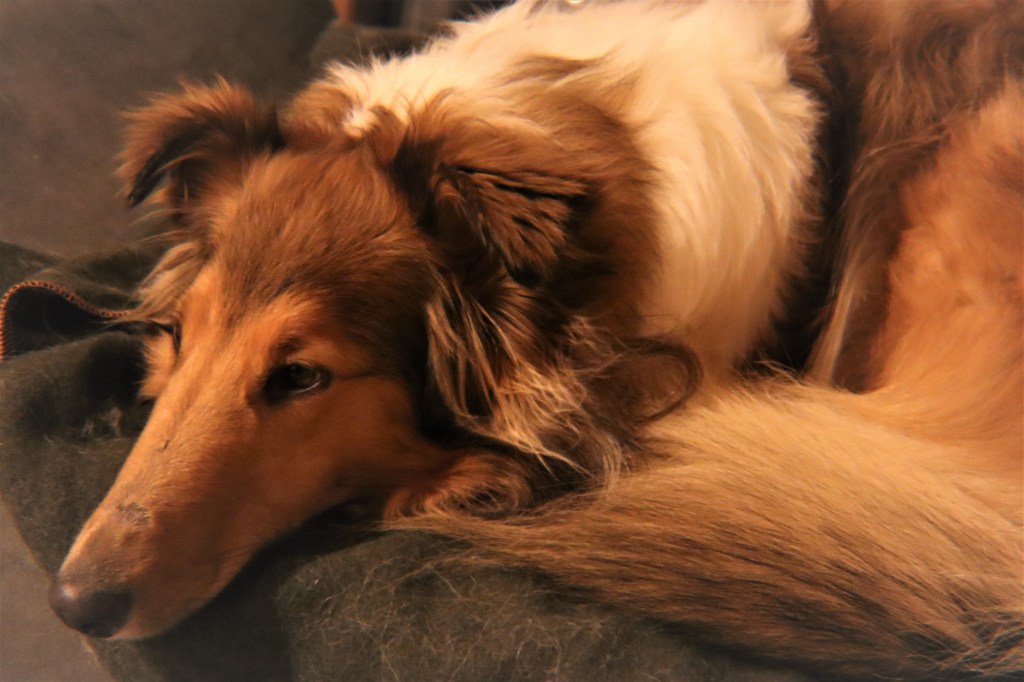
Sable and white collie, indoor, low, natural light

But let’s not go down too many rabbit holes at once.

Recently I was discussing photography with a young person and they said, while they enjoyed taking pictures, they didn’t do so often because they weren’t good at it. This is the same bind that many writers get into – I don’t write more because I’m not as good at it as I want to be.

Gull on dirty spring snow, overcast day
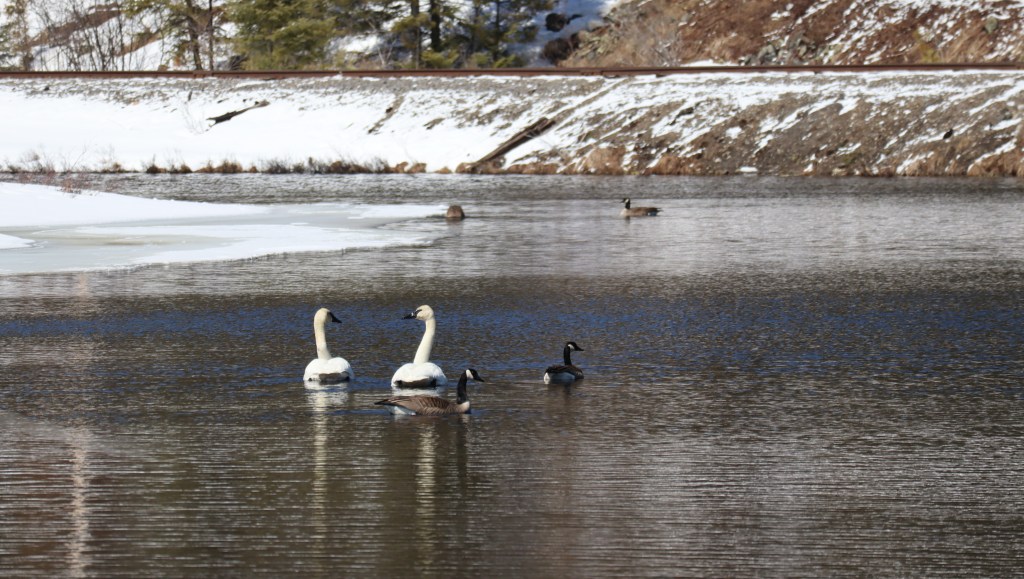
Swan and geese on early spring lake, sunny day

People! None of us are born great, we achieve [largely moderate] success by doing, learning, and doing more. Trust me – I researched and wrote a whole dissertation on this topic!

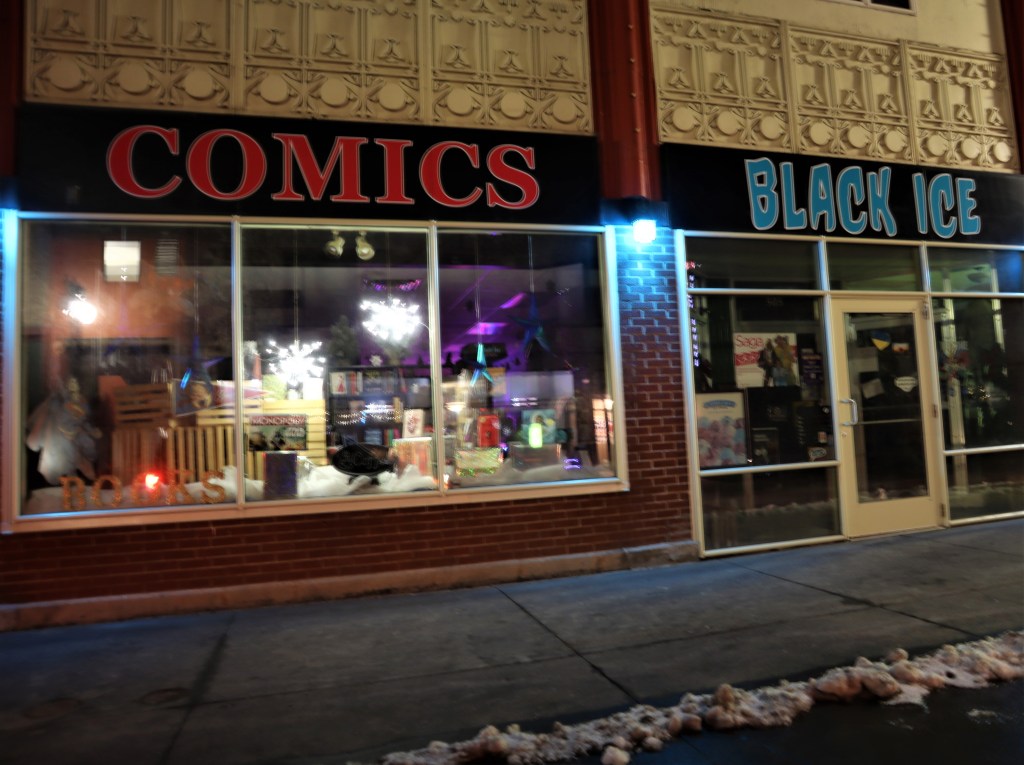
Storefront in low-light, pre-dawn

Recently I treated myself to a new camera. I hadn’t been doing much photography lately because of frustrations with my old camera; we’ve been together for decades and though we’re not divorcing, we did agree it was time to bring someone new into the relationship.

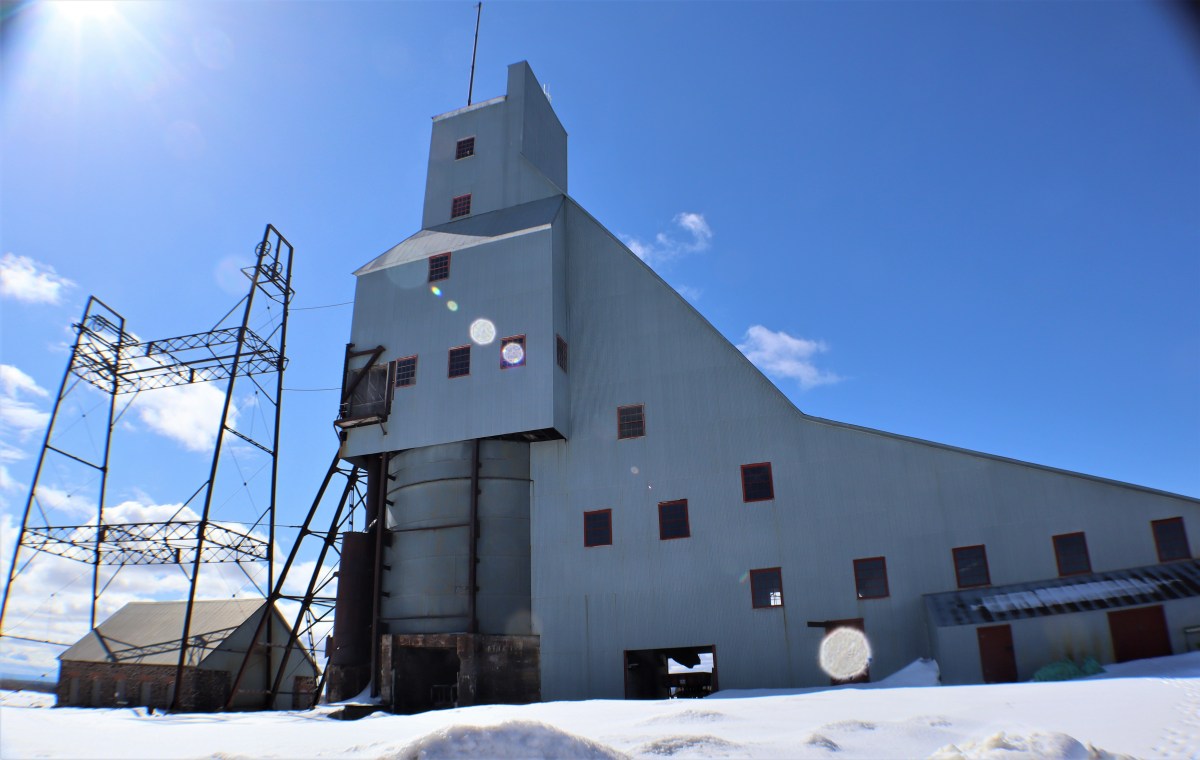
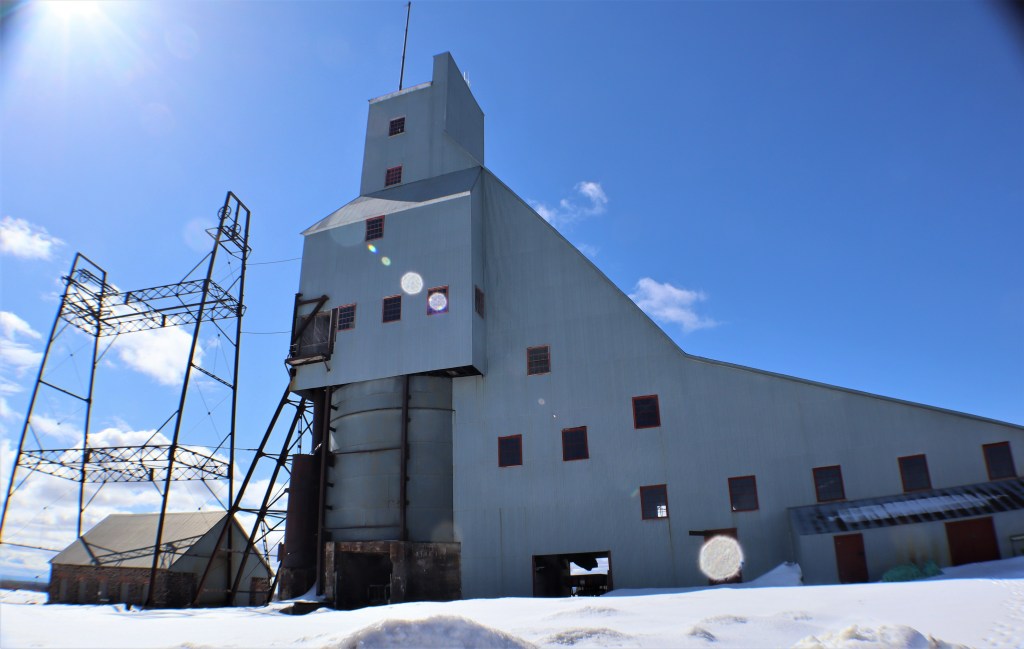
Quincy Mine lift, Hancock MI,
bright sun reflecting on snow

This new camera is mirrorless [internal element that reduces weight] and I’m in love again. But there’s a steep learning curve for new equipment with vastly different functions. In order to learn, I have to go out and take a lot of very average or trashy photos. Each picture teaches me something and rather than frustration, I feel happiness that there are so many things I’m still capable of learning. Or at least experiencing.

Low light bridge photo;
needed a tripod and didn’t have one with me

Embrace new opportunities! Admittedly, I’m the last person to suggest we should always be embracing the new. I need routine. I’m clinically OCD, and even with medication, my need for order is at best managed. I get my brain to accept challenges by considering them educational opportunities. Undoubtedly you’ll need to find your own way to embrace the new, the less than perfect, the practice sessions that are necessary to get better at any endeavor.

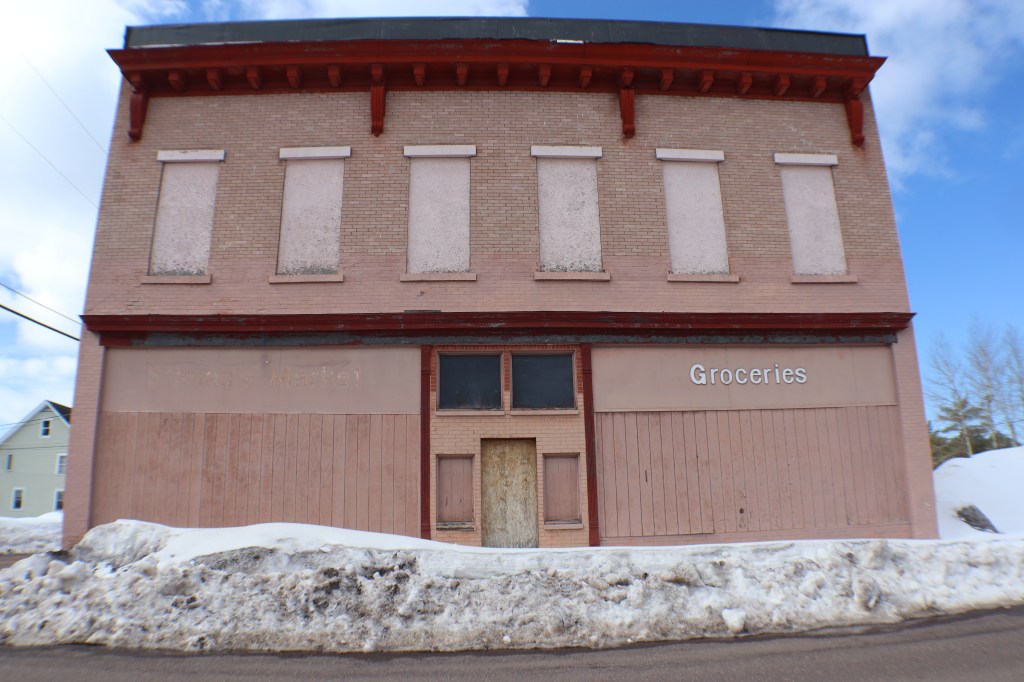
Brick Building; mixed clouds and sun

None of us, however, can get really good at anything – writing, photography, teaching, dog training etc., without first being really average, maybe even mediocre. It isn’t where you start out that’s going to decide things, it is how much time and practice you’re willing to put in. Stick-to-it-ness accomplishes as much or more than raw talent and I’ve been around long enough to see that play out from the art community to academics and industry.

Succulent plant
Same succulent, different lens setting