
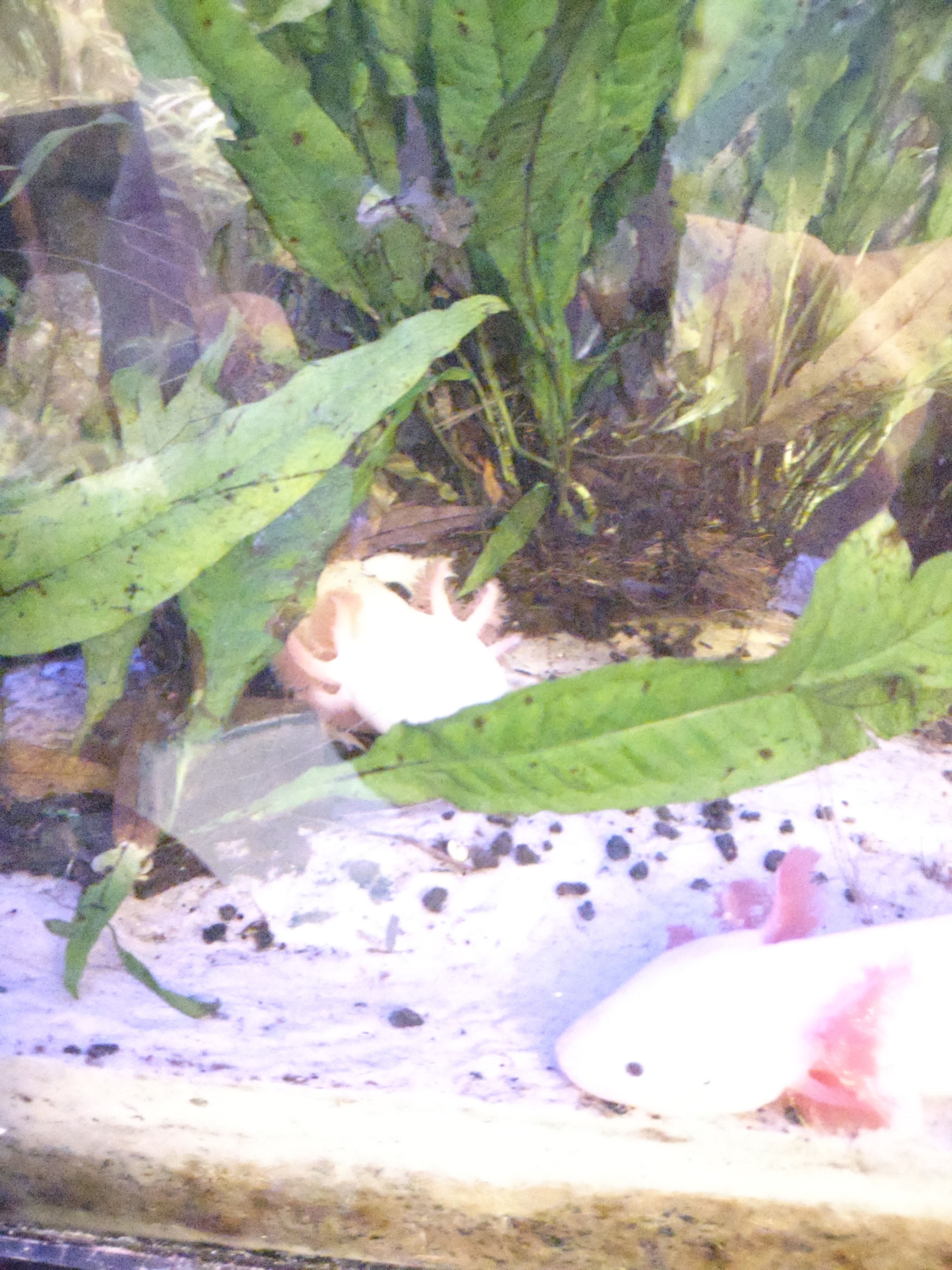
A pair of axolotls
Sometimes we learn lessons we don’t want to learn. The example I’m using to demonstrate this is my experience of the past year + keeping axolotls.
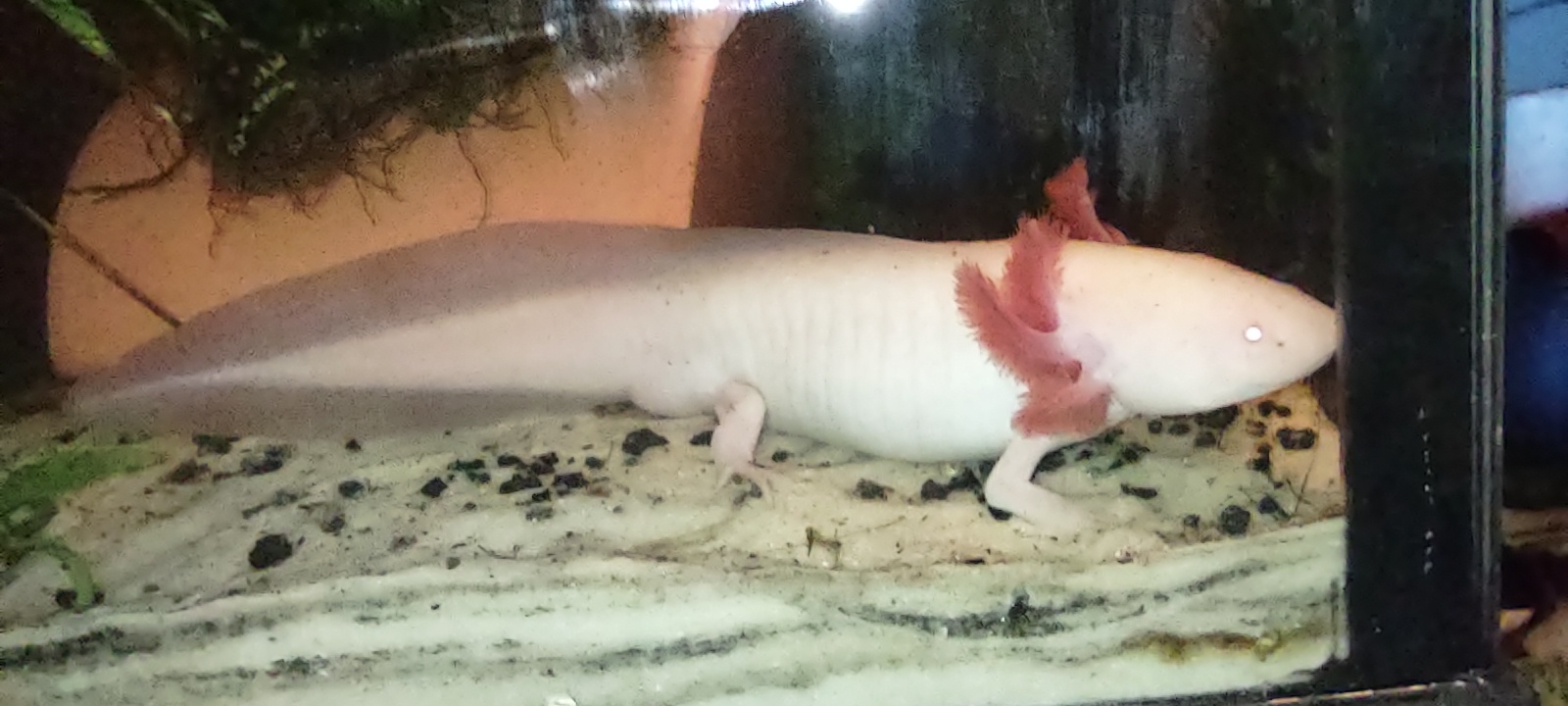
Axolotls, also known as Mexican swimming salamanders, are aquatic and spend their lives in cool water – ideally 60 – 65 Fahrenheit. They eat worms and/or pellets, they are rather low intellect, with poor vision. They’re also dwerps, e.g. they will suddenly zoom around their tank or float at odd angles, or play in their bubblers. Some of us find them very appealing because of their looks and their enduring behavior.
One of life’s ironies is that some axolotls will survive horrible neglect: poor water quality, underfed, ignored. Others, seem to be doomed. They look good, receive good care, and they die. While water quality is vital to their good health, some survive water so bad it causes them to start peeling their ‘slime coat’ and others can look beautiful but become unalive.
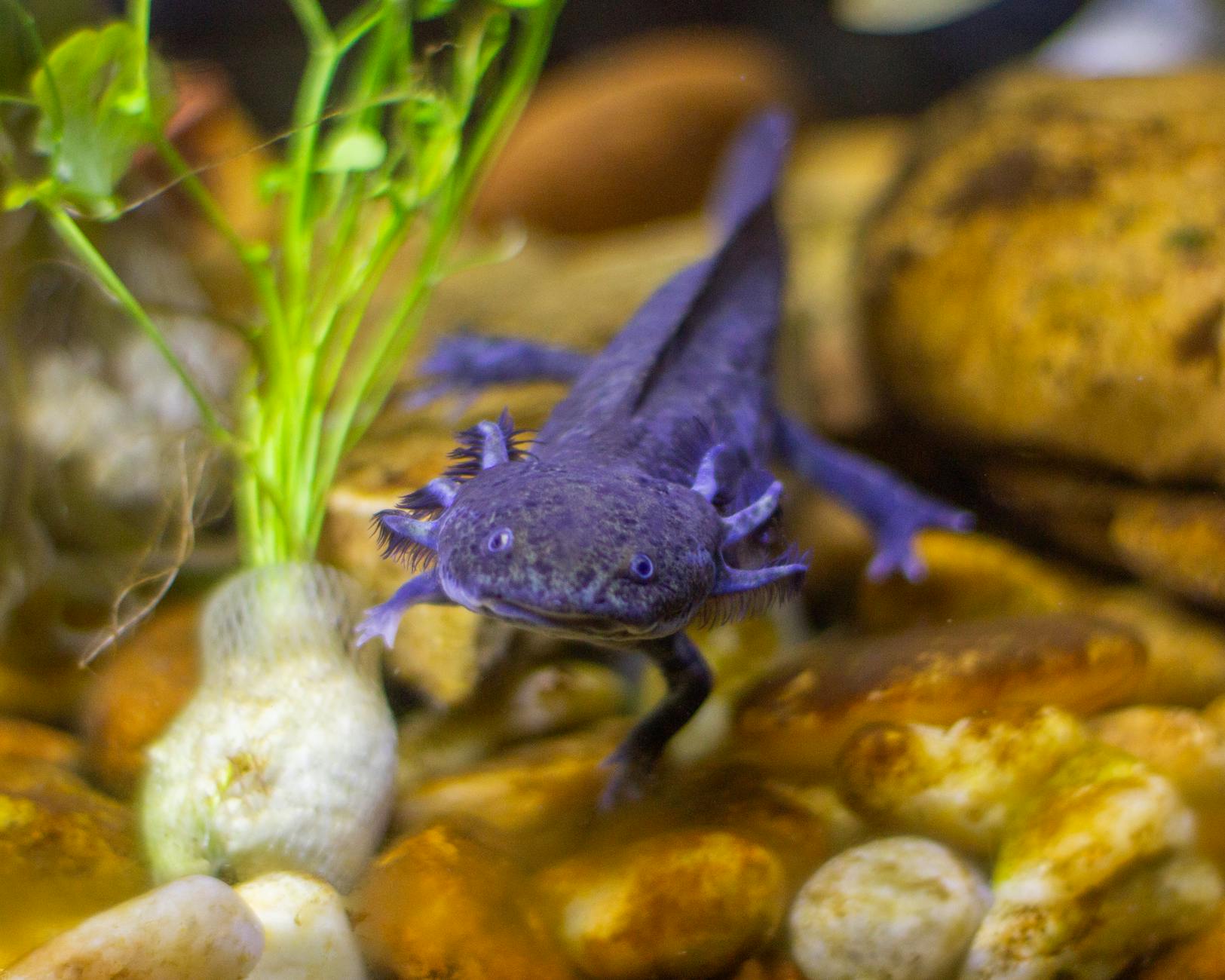
Writing vs. Keeping Axolotls
Some of us work hard at our writing. We do the right things: attend workshops/classes, learn to improve our craft, study the market, read the comps, craft our query letters, use beta readers, adjust when our first queries don’t go well. We study, write, and rewrite. And still – we can’t seem to be in the right place at the right time.
Some of us who keep axolotls do all the right things and our lotls still cease to exist.
As a writer or an axolotl keeper, what do you do when things aren’t working out?
Options
Of course, one can always stop what we are doing. Which isn’t necessarily a bad thing. In fact, I think two of the things we learn from trying with little or no success is:
a) how passionate are we really about this craft, hobby, activity, life-plan
b) are we pursuing this for ourselves or others; are we still finding a sense of purpose in our pursuit?
Sometimes people frame trying something and not having great success with it as a failure. I tend to disagree. If you wish to be a good person but you spend all your time physically harming others, then you’re a failure. If you want to try writing and after several years or longer you aren’t enjoying it anymore, or need a break, you haven’t failed. You’ve learned a lot, improved your writing, read things you otherwise wouldn’t have and are emotionally and psychologically richer for the experiences. Time spent creating doesn’t seem to ever be a failure to me.
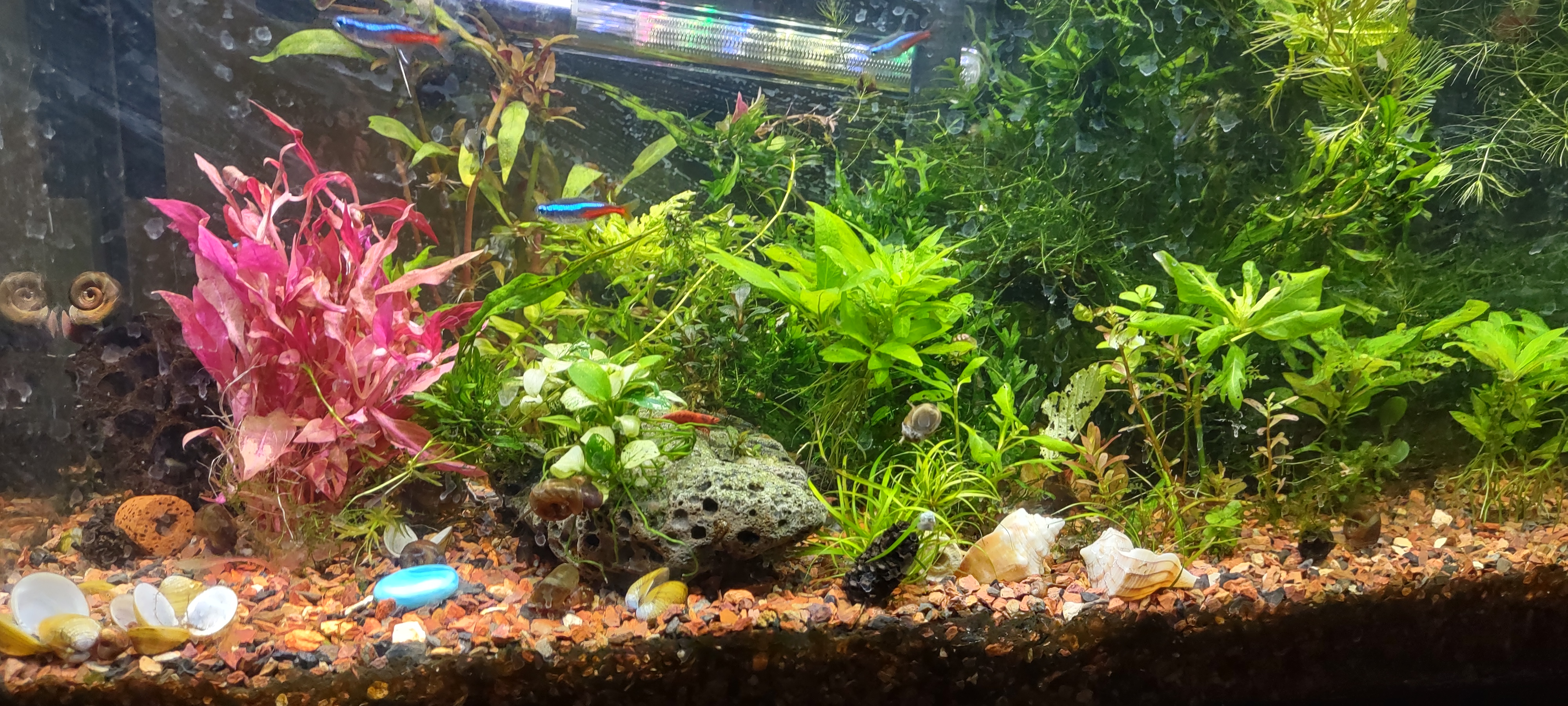
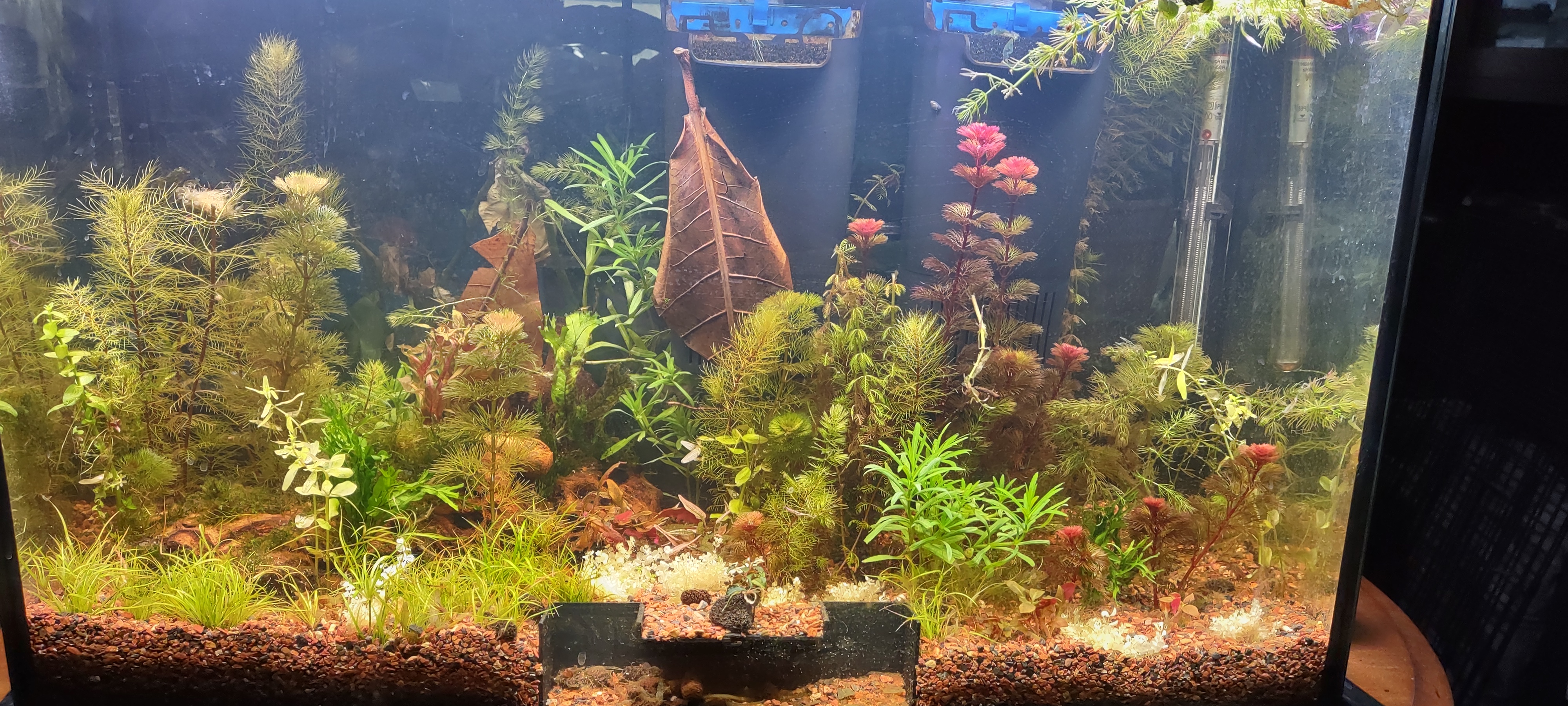
As for keeping axolotls…after some heartbreaking experiences over the last year I’ve realized that there is something in my very hard water in this region full of former copper mines that is not agreeable to axolotl life. Something that doesn’t show up in the little store test kits but that probably also contributes to the high cancer rates among people. So I’m going to quit unaliving these adorable dwerps and stick with my freshwater fish.
I am choosing to keep writing but to stop axolotl keeping. My writing is an outgrowth of my need to create and tell stories. Axolotl keeping was an extension of my enjoyment of fresh water aquariums. My fish are thriving, so I will continue with them; I will miss but no longer harbor lotls.
Sometimes it isn’t our writing, but what we’re writing that isn’t suited for the time and place. I’m running 6 home aquariums and 2 in my office and all are healthy. This isn’t the time and place for me and axolotls.
If writing sales matter to you, you may want to consider the popularity of the genre you’re currently working in. It may be that the type of story you’re writing isn’t as popular in the current market. I’m not suggesting you need to chase the market but that you ought to be aware that some genres or certain tropes within a genre may not be popular at the moment.
In writing as in aquarium keeping, sometimes it isn’t about what you most want but about what you are best able to do.

 christyoslund