Regardless of how one writes – on paper, on computer, on stone tablet – one begins by facing a blank page. As someone who belongs to more than one online writers’ group/discussion page, I’ve noticed two particular concerns that come with the blank page: Story and Formatting.
That’s often the first concern for a writer. Under the broad umbrella of story one finds considerations of:
plotting
character development
pacing
It is not uncommon for less experienced writers to focus so much on story that they overlook another important, if less creative element of writing: formating.
Unfortunately, this creates a lot of additional work and reformating that could be avoided, if one knows and uses the expectations of formating that agents and publishers have for initial submissions.
Writers are creative. We often like to imagine we have many choices when it comes to formating our manuscripts. And we do – up until we want to submit to an agent or publisher.
We mustn’t be discouraged about the uniform expectation for manuscript submission. Rather, we should use all that creative juice we wanted to use for formatting, and focus it on the story itself.
Questions, Concerns, Disagreement?
I am adjusting this blog slightly and rather than just featuring books/writers already published, I would like to include more information and a forum for writers working towards publication.
Do you have a writing question you’d like addresssed?
Do you disagree or have a follow up question with something said here?
A rose by any other name and with any number of thorns is more pleasant to deal with than this book was
In the community of writers, there is an ongoing debate about ‘#ownvoice’ writing vs. ‘writing as a creative act’, e.g. a writer’s creativity should not be shackled by their lack of personal experience. Knowing that I have little positive to say about a book that someone else labored long and hard on is something I’ve put off for months. But this is also a cautionary tale for writers about why we all need to be careful about trying to tell other peoples’ stories.
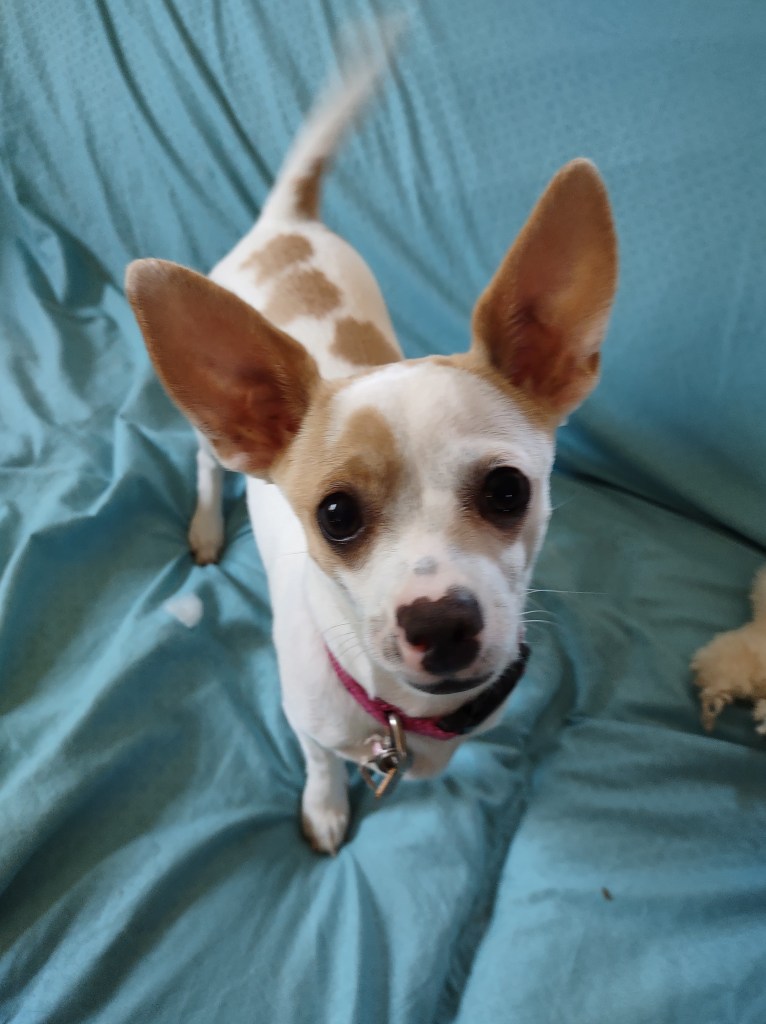
Pink rose being sniffed by chihuahua-dachshund pup
A cute puppy – Winnie – that I would rather spend time with:
There’s a great deal to be said for literary license, that allows us as creatives and writers to explore experiences that might be adjacent to what we’ve lived but aren’t our actual experience. Most writers, for example, will write both male and female point-of-view (pov) characters, while most writers will have lived from only one of those pov. . . and generally we as an audience are fine with that.
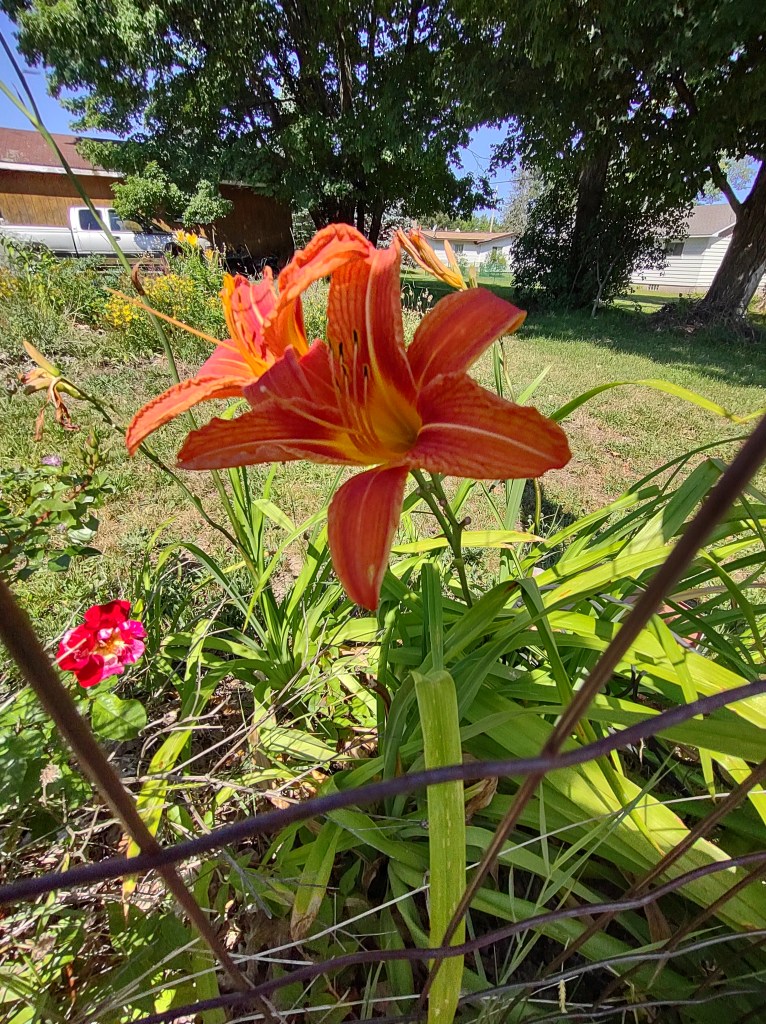
A day lily and 4th of July Rose that I would rather look at:
At the same time, I personally have read male writers’ women and thought, “They really don’t get it.” We – as writers – should still be allowed to explore different pov characters. And when we do, we also have to accept that we may be criticized for our take, particularly when we are writing from a pov rather far removed from our own. And when that pov represents a historically marginalized community . . . lots of room for trouble.
What is most frustrating for members of that marginalized community though, is when a book featuring ‘their’ pov is written badly by someone who is not a member of the community, yet does very well commercially. That is basically salt in the wound.
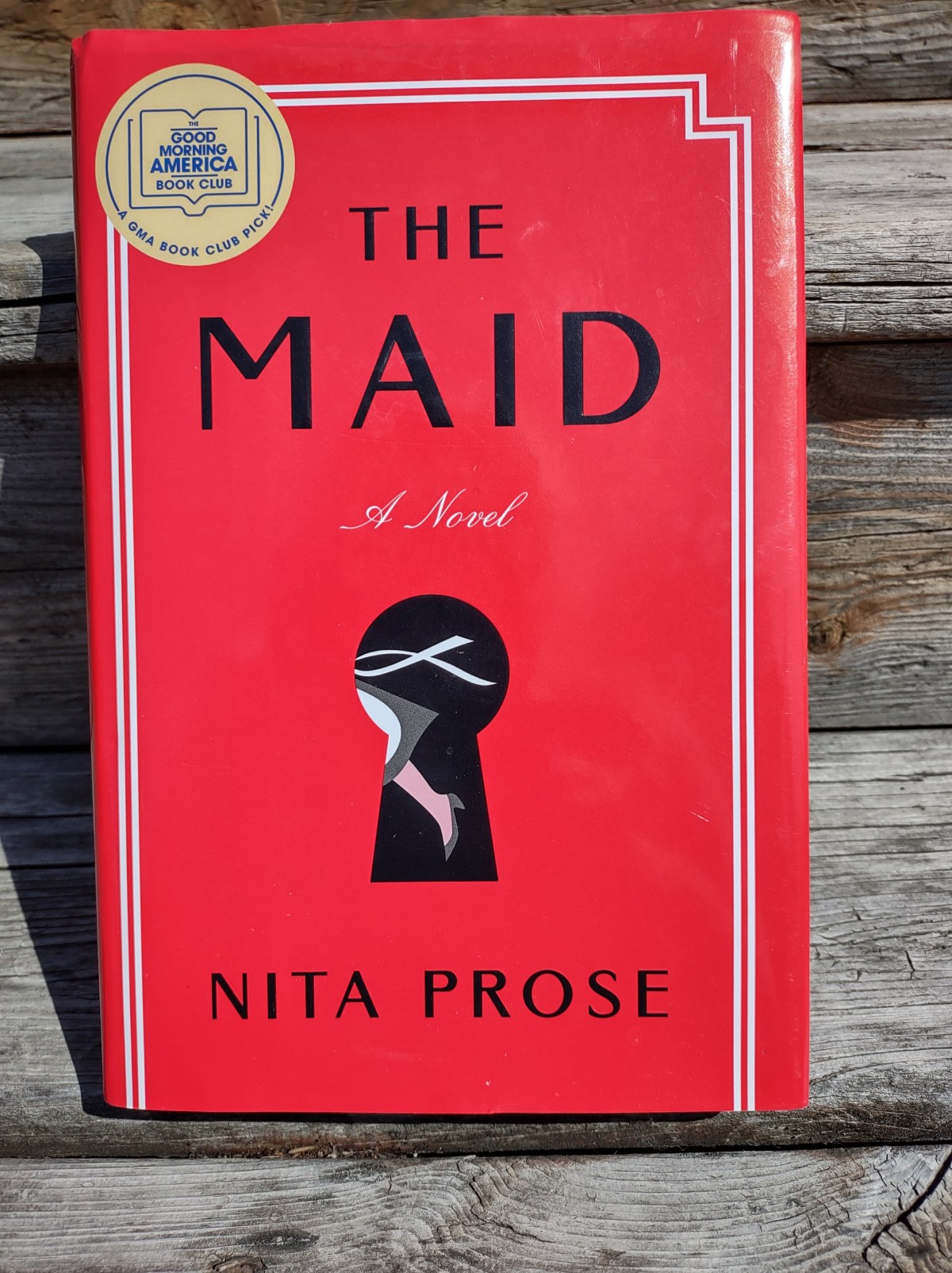
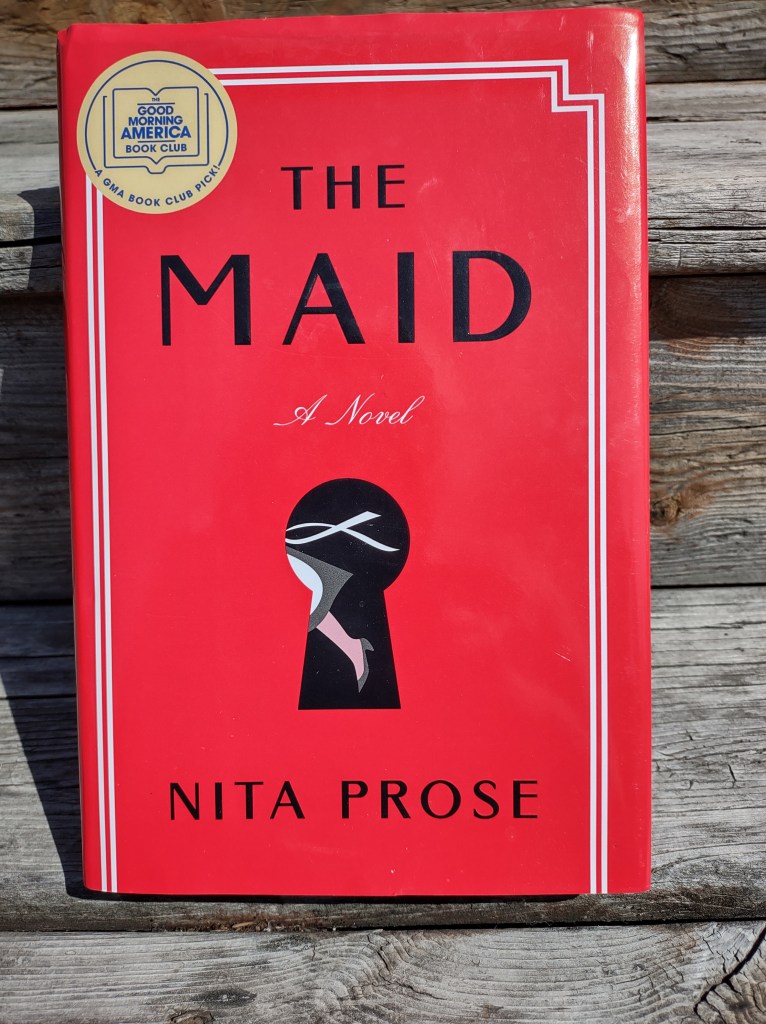
Our current case in point, The Maid.
The neurotypicals are loving this one . . .
To summarize what at least one person has commented, Publishers and writers seem to think if they don’t name the disability, then when they are called on the inaccurate portrayal they can say, ‘well we never said the person was x’.
There are stereotypical social portrayals of autism which invariably include Obsessive Compulsive behavior, including fascination with a fixed topic; an inability to decode social norms and expectations; naivete, particularly compared to same-age peers. Throw these all onto one character and people are going to read her as autistic.
Someone who is not autistic, writing an autistic pov is fine in theory. But when the portrayal turns the character into a puppet who is manipulated (that’s an autistic reading, not at all what the writer was going for) by the neurotypical characters who are ‘helping’ her – by having her rehearse lines to say, saving her when she’s in legal trouble, and caretaking her because she is portrayed as unable to be truly independent – well, don’t be surprised when autistic readers are offended.
Neurotypical readers, however, seem to generally love this story. They are amused by the ‘quirky’ pov, while being able to identify with her saviors who swoop in at key moments. They are not relegated to being the character who is incapable of orchestrating her own narrative. She’s the woodchip, they’re the waves who move her.
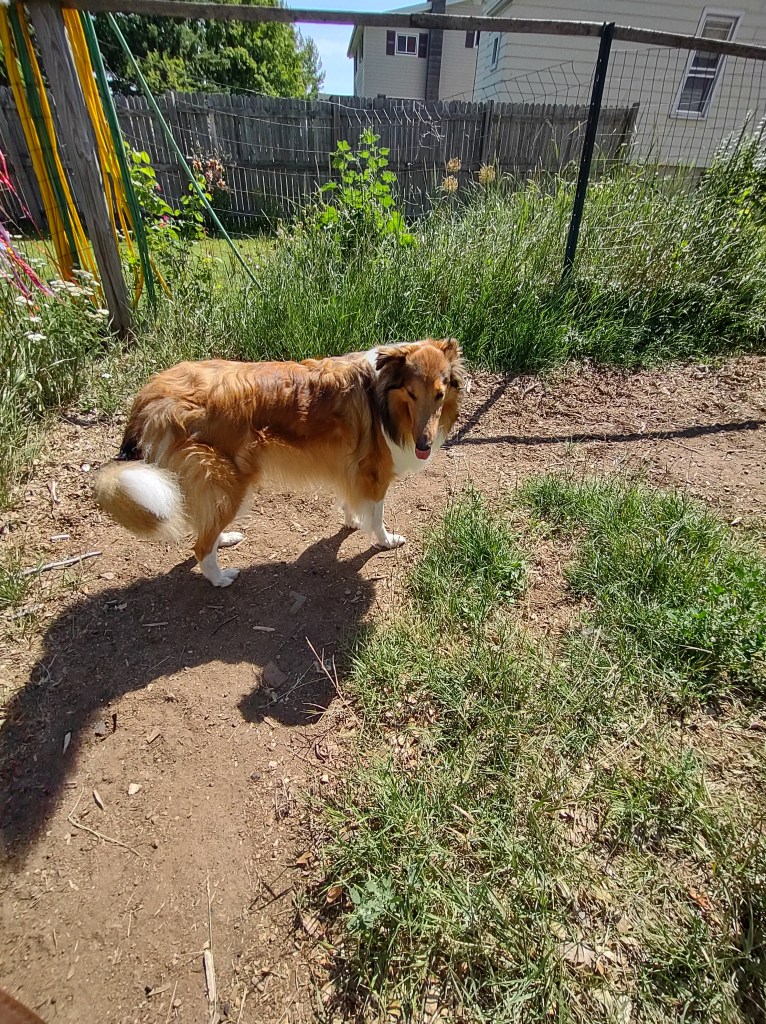
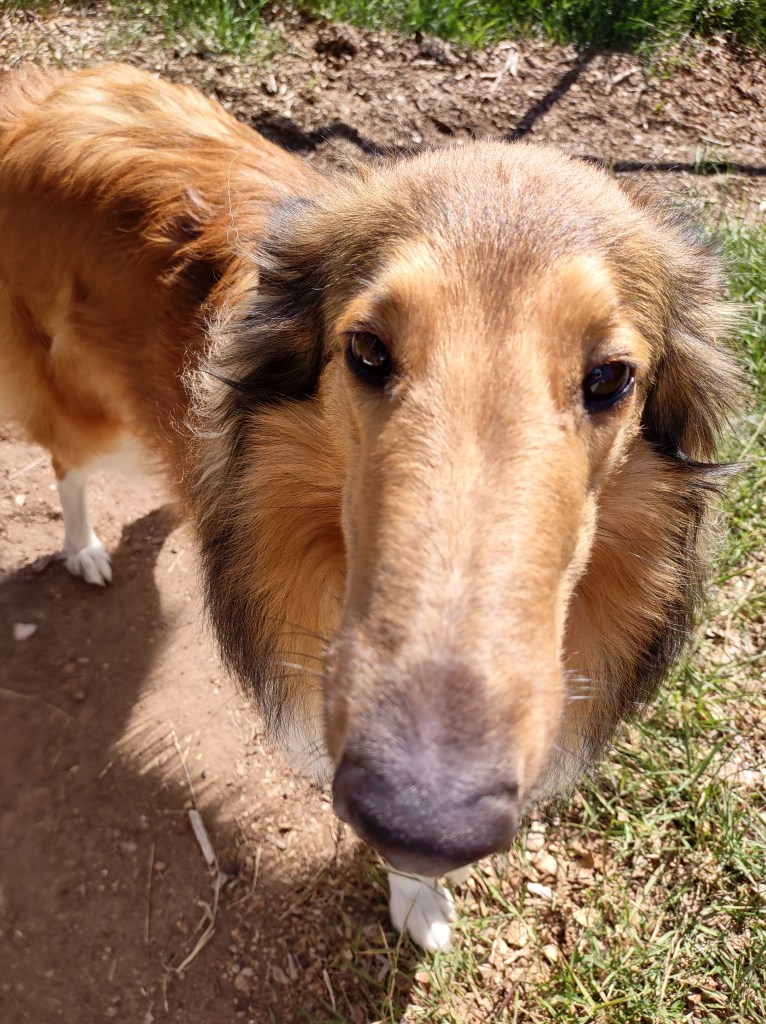
A Collie, whose barking I would rather listen to:
Note: because this whole endeavor has cost me a lot of spoons (please lookup spoon-theory if this is not a familiar term) I have randomly included images in this post that make me much happier than the topic itself has.
Neurodivergent readers: This is going to be turned into a film. And we all know the likelihood of them choosing a neurodivergent actor to play Molly is as low as it is likely that Ballantine Books will follow this book up with several written by #actuallyautistic writers.




 christyoslund