Mouth to Mouth: Maybe I’m too autistic for this one.

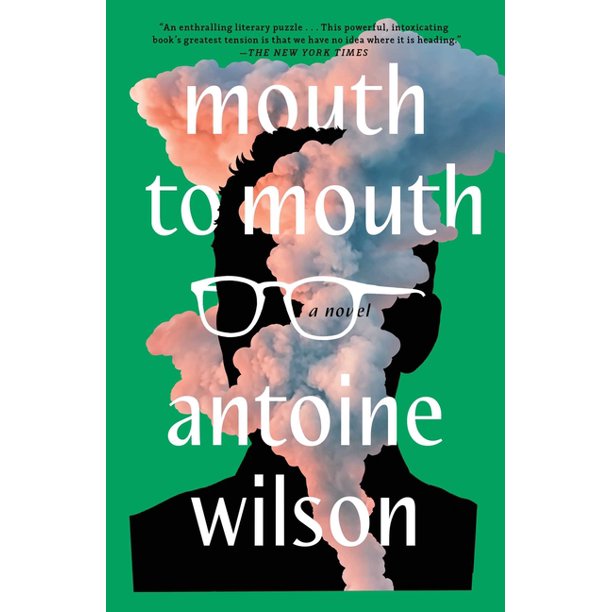
cover of Mouth to Mouth

Let me begin with a disclaimer of sorts: I believe Antoine Wilson is a strong writer, who is capable of producing a story that keeps a reader engaged. I am basing this in part on the other reviews I glanced at after reading this book. Lots of them said they felt engaged, couldn’t put it down, found it to be a page-turner.

As someone who spent many formative years in Canada, I also have a soft spot for Canadian writers, such as Mr. Wilson. I was rooting for this to be an engaging book.

The challenge I ran into with this novel is that when you have an unreliable narrator telling you therefore, unreliable things (which are clearly self-serving,) am I really supposed to be surprised that the natural outcome of his obsession and self-serving narrative is the destruction of another person?

While many of those who are leaving reviews talk about the “surprise twist-ending” I’m with the reviewer who asked, “What did you think was going to happen?”

For me, it was thus an interesting if unsurprising narrative.

Antoine Wilson, Canadian author, writer of potentially surprising endings

This book combined with a few others I’ve read lately have left me wondering if sometimes neurodiverse readers just have a very different experience with a story compared to neurotypical readers. I have suspected sometimes that I’m missing nuances at play between characters. In this book, for example, there’s a scene near the end where it is revealed that one character has actually known a big secret that the point of view character (POV) has kept hidden the whole time. The POV character acts like this is a big deal. I couldn’t help but immediately think of a straightforward logical way of dealing with this complication and was mystified by why our scheming character was so dumbfounded and overwhelmed. I feel like I’m missing something here in the expectations around relationships between neurotypical people.

At the same time, it is pretty hard to surprise me. A twist isn’t much of a twist when you can see it coming from early in the story. I’ve heard/read other neurodiverse readers say something similar, “How did everyone not see that coming?”

Antoine Wilson, Canadian writer. If you’re neurodiverse, read and let me know if you perceived the ending ahead of time. If you’re neurotypical, you’ll love the surprise ending! 😉
Middle Grade: Christmas in Camelot

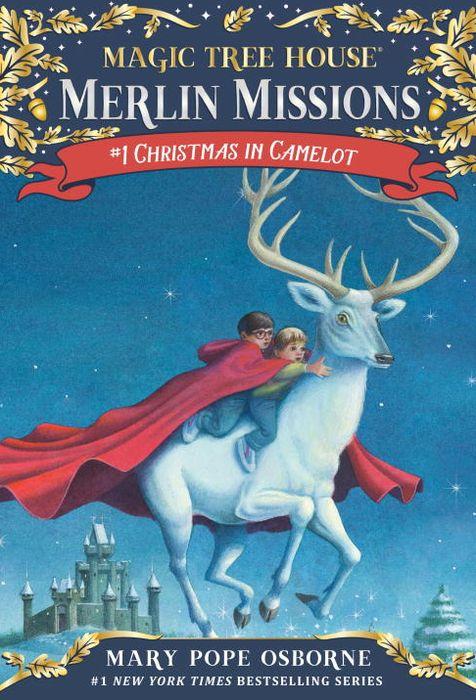
First book in the Magic Treehouse – Merlin Missions Series

Mary Pope Osborne wasn’t writing when I was a kid, more is the pity. I would have collected and been devoted to these books. When I was young, I read about Merlin and King Arthur, in a far less youth-reader friendly version of the story.

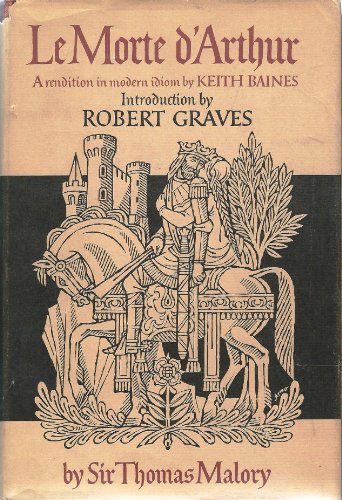
A 1962 edition of Malory’s Le Morte d’Arthur

Of course, the Magic Treehouse books aren’t telling the King Arthur tales; they are telling stories of a brother and sister, Jack and Annie, who are sent on adventures through time by Merlin.

In the first book, however Annie and Jack do travel back to Camelot to aid King Arthur and his citizens, who have lost all joy and hope. Who better than children to set out on the quest to recover them?

This excellent adventure with just the right amount of not-too-dangerous danger made for a compelling read. How much I wish this book had been available when I was a young, dyslexic reader looking for something that would draw me in but not be too frustrating.

Mary Pope Osborne,
champion of young readers

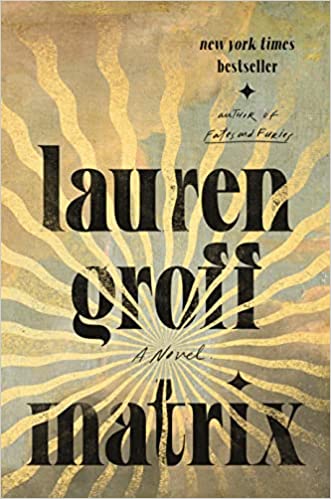
Matrix: A Novel

Cover of Matrix: A Novel

This week’s book is Lauren Groff’s Matrix, her sixth novel. Groff is a gifted writer, so I feel bad saying I never really warmed up to this book, even though unlike some readers I loved the premise: historical, strong women, nunnery etc.

Strengths include tackling subject matter that most writers avoid, including imagining a [probably not very accurate] life for a historical person, in a way that it has not been previously imagined. Strong women who create a cloistered world that largely keeps problems, aside from hunger, at the edge of their domain.

Admittedly, the narrative style kept me at arm’s length. I also wasn’t sure about hanging this imagining of the main character’s life on the name of a historical woman; it could have been, in my opinion, just as powerful to use a created name alongside a statement that the story was inspired by the historical poetess and nun. My own limitation: I don’t like creating so many fictional events and sticking them under a real person’s name, even when that person is long dead and particularly when the events don’t always jibe with what is known about the historical person.

Lauren Groff

Despite not appreciating all of Groff’s choices in this particular work, I think she is a gifted writer who will continue to produce noteworthy work. I look forward to seeing what is next from her pen.